
 A fascinating new article on The Conversation explores how advances in 3D printing are allowing us to protect and preserve our precious heritage in new and important ways.
“What is new about digitally-fabricated replicas is that they can be extremely accurate with regards to the shape of the original – the reproduction process uses, among other means, high-tech laser scanners. The power of digitally fabricated replicas also lies in their digital nature. This means they can easily be stored, edited and shared across the world.
People interested in cultural heritage can access these digital replicas, for example from museum websites, and print them at home or at a nearby Fablab on a desktop 3D printer. Most importantly, these digital representations can also be easily manipulated or customised to satisfy different audience requirements under different interpretation scenarios.” – The Conversation
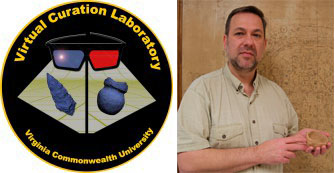
Bernard Means
AntiquityNOW has been privileged to work with a pioneer in this arena. Read our article, Saving the Past With 3D Printing: An Interview with Dr. Bernard Means, Director of the Virtual Curation Laboratory to learn more about the incredible ways Dr. Means is using this technology to save the past.

 In this episode of Strata, Dan Elliot of the LAMAR Institute set out to document Carr’s Fort, a fortified farmstead used during the American Revolutionary War. The fort originally was commanded by Captain Robert Carr and housed his 100 patriot troops. In February of 1779, the woods of north Georgia were bristling with small skirmishes between the patriots and the British. The battles helped determine the outcome of the Revolutionary War. Carr’s Fort and its sister sites are part of the fabric of the history of America.






 AntiquityNOW