
 When we considered a commemoration in 2013, we asked ourselves a question: Why have an AntiquityNOW month? The answer was in our mission: to show how antiquity’s legacy influences us today and for generations to come. So for the month of May, we will laud human endeavor through the ages and mark the importance of our world heritage. Continue reading
May Is AntiquityNOW Month! Join the Celebration!
Posted in AntiquityNOW News, Blog, Culture, Education, Holidays, Public Life
Tagged AntiquityNOW, AntiquityNOW month, celebrate the past, cultural preservation
Music Origins: Mesopotamia, American Gospel and the Neurology of Faith, Part II
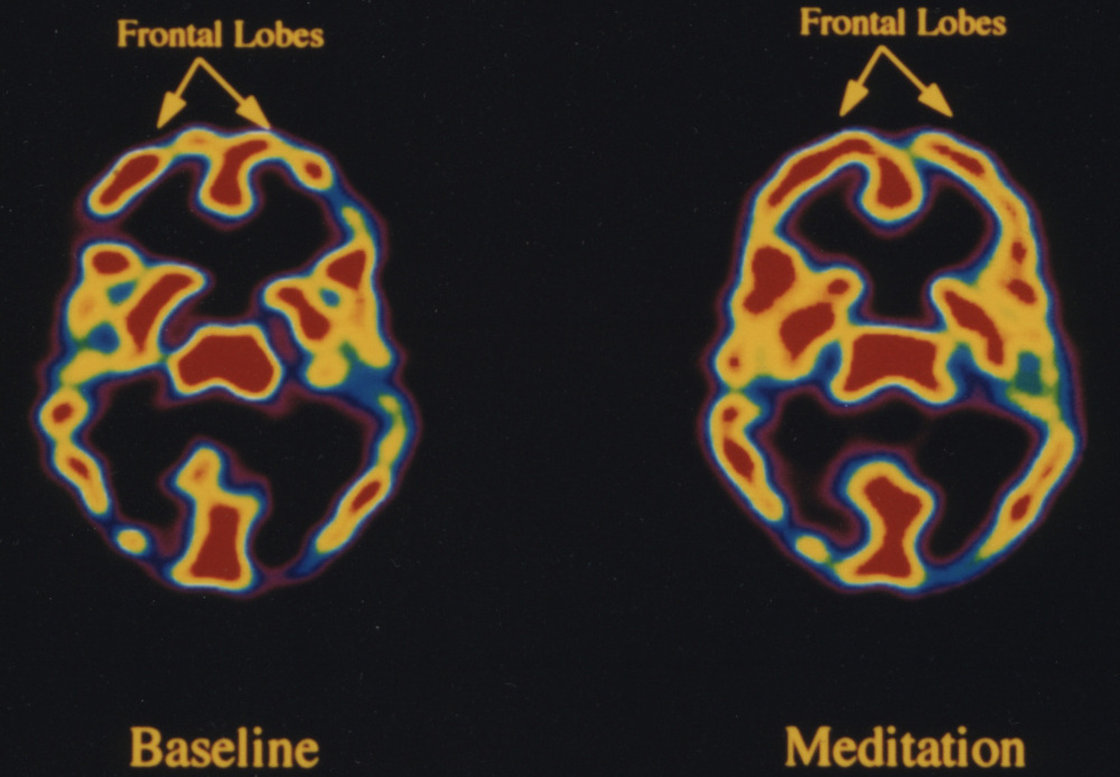
Image courtesy of Andrew Newberg, NPR.
In Part I we looked at the importance of music in Mesopotamia and its specific role in communing with the gods. Fast forwarding nearly four millennia we found a remarkable similarity in the strains of American gospel music and the belief that the ecstasy of song enables the Holy Spirit to enter the bodies of the faithful. What is the nature of this willingness to give up one’s self to a higher being? How does music play a part? Is rapture—a potent driving force among believers—real? Let’s look further at the reason for this music/spiritual connection by venturing inside the anatomy of the brain and as well exploring humankind’s long and precarious evolution of mind and body. Continue reading
Bon Appetit Wednesday! Celebrate National Grilled Cheese Month
 Cheese, cheese, glorious cheese! Cubed, shredded, sliced or melted, with more than 1,400 varieties, cheese can be savored and enjoyed in countless ways. This month is dedicated to one very special cheese-related recipe. April is National Grilled Cheese Month and we’re bringing you a scrumptious (and deliciously gooey) grilled cheese recipe. But first, let’s take a look at the long and storied history of the ingredient that makes this celebration possible. Continue reading
Music Origins: Mesopotamia, American Gospel and the Neurology of Faith, Part I
 Through the centuries many forms of music have arisen out of mystical or spiritual ardor: Indian ragas, Japanese Shinto music, Madih nabawi or Arabic hymns, the classic liturgical anthems of Europe and American gospel. Whether by the pounding of drums or the sonorous stones of Stonehenge or the arpeggios echoing against ancient cathedral walls, worship through music has defined civilizations from early times. What is this power in music that moves humans to seek their deities in notes, rhythms and sounds? Let’s look at two very different cultures with surprisingly similar perspectives. Continue reading
Bon Appetit Wednesday! Celebrate Ancient Grilling with Double K Grilled Salmon

Image courtesy of Taste of Home.
It’s spring! The sun is finally awakening from its chilled slumber, snows are melting and warm winds are ushering in the new season. It’s time to head outside, fire up the grill and invite your friends and family over for a barbecue. Did you know that when those coals heat up and the smell of your repast wafts through the air, you’ll be reviving a gastronomic practice thousands of years old? Recent archaeological finds have uncovered proof that some ancient people used this very method of preparing food. In honor of this discovery, we’re featuring a flavorful salmon recipe that will do your grill proud. Continue reading
The Strange and Mysterious Origins of April Fools’ Day
 It’s April Fools’ Day and whether you’re on the giving or receiving end of a joke, today will hopefully be a day for laughter and good-natured conviviality. This holiday has a strange history that may reach all the way back to antiquity. Before the foolishness ensues, let’s take a minute to learn how this celebration began.
The most widely accepted origin of April Fools’ Day, also called All Fools’ Day, comes from 16th century France when the calendar was changed so that New Year’s Day was celebrated on January 1st (according to the Roman calendar) as opposed to celebrating New Year’s in late March or early April with the advent of spring. Not everyone learned of the change right away and people in the country, far from the cities, would have still celebrated a spring New Year. These people were mocked and called fools. However, Alex Boese, curator of the Museum of Hoaxes in San Diego, California and an authority on April Fools’ Day, disputes this theory. Continue reading
Tattoos and the Body as Canvas

UPDATE! This post was originally published on March 14, 2013. One year later and ancient tattoos are back in the news due to a fascinating find and an exciting exhibit at the British Museum. Eight mummies from Egypt and Sudan have been subjected to CAT scanning, infra-red “reflectography” and carbon dating in an effort to develop a more complete picture of their ancient lives for the new exhibit called Ancient Lives: New Discoveries. The scanning has revealed previously unseen features from beneath their wrappings. One of the most interesting discoveries is a tattoo on the inner thigh of a 1,300 year old female mummy. The tattoo represents the symbol of the Archangel Michael and spells out in ancient Greek M-I-X-A-H-A (Michael). According to an article by Robert Mendick in The Telegraph, the woman was 20-35 years of age, died in about 700 CE and “lived in a Christian community on the banks of the Nile.”[1] Continue reading
Bon Appetit Wednesday! Sabzi Polo Mahi in Honor of Persian New Year
 Last Thursday, March 20th, marked the much anticipated first day of spring. At 12:57 pm ET, the sun crossed the equator and the vernal equinox arrived. Many people cheered as winter met its official end, but the date had special significance for Persians. It was the beginning of the Persian New Year or Nowruz, a time for dancing, celebrating and most importantly, feasting! Each year the holiday begins with a special meal enjoyed around the haftseen table, where the foods are symbolic and abundant. In recognition of 2014’s haftseen table, we’re giving you a delicious Persian recipe from this traditional meal that you can enjoy in your home year-round. It’s never too late to celebrate and learn about the cuisine of an ancient culture! Continue reading
AntiquityNOW Celebrates the Arts on National Arts Advocacy Day!
 It’s the 27th annual National Arts Advocacy Day and there are plenty of ways to participate and support the arts wherever you are:
- Ask your members of Congress to support the arts. Visit the E-Advocacy Center to send a message in less than two minutes directly to your Representative and Senators telling them why the arts are important to you and your community. Take two minutes and send your message to Congress today!
- Become an official member of the Arts Action Fund. It’s free and easy to join.
AntiquityNOW also provides ways to support the arts. Subscribe to the AntiquityNOW newsletter and visit our home page to subscribe to the blog. Visit our Today’s Muse section to see how the ancient arts continue to inspire the arts today.
Modern Technology Brings the Dead Sea Scrolls to Life
 The discovery of the Dead Sea Scrolls is undisputedly one of the most important archaeological moments of the last several centuries. In 1947 hundreds of ancient scrolls, including the oldest copy of the Hebrew Bible were found in a remote Judean Desert cave giving us an unprecedented insight into the society, religion and language during the Second Temple Period. To gaze upon and study these scrolls is an incredible opportunity that few have had up to this point. However, thanks to a collaboration between Google and the Israeli Antiquity Authority, anyone with an internet connection is now able to view these stunning pieces of history in high definition. Using the most advanced and innovative imaging technology, the IAA has imaged and uploaded the scrolls to a public online digital library and they’ve recently revamped their website to make the experience even more user-friendly. Technology is once again giving us the ability to understand and appreciate our past. Continue reading
Posted in Blog, Communications, Computer Technology, Culture, Education, Literature, Public Life, Religion, Science and Technology
Tagged ancient history, AntiquityNOW, Christianity, Dead Sea Scrolls, Essene, Google, Israeli Antiquity Authority, Judaism, Leon Levy Digital Library, multispectral imaging, Qumran




 AntiquityNOW