Tag Archives: ancient history

Strata, Portraits of Humanity, Episode 17, “Church of St. George at Akrefnio”

StrataImage-webThis month in the Strata series we are looking at the making of a legend—or myth, or epic or saga. Cultures throughout time have used storytelling to record and dramatize their histories. “The Church of St. George at Akrefnio” depicts how the creative spark begins.

March the 15th, 1311. On a plain in central Greece, two armies are facing each other. On one side, Frankish knights from the Duchy of Athens. On the other side, their Catalan mercenaries of the Catalan Company demanding more benefits. The Frankish knights lose the battle and perish almost to the last. One of the few surviving knights, Anthony le Flamenc, prays to St. George for holy assistance in battle. In gratitude for his salvation, the knight orders a church built, dedicated to St. George, in Akrefnio, Boeotia. This is his story. Continue reading


Bon Appetit Wednesday! National Noodle Month

zucchini noodlesDid you know that March is National Noodle Month? Neither did we! We almost missed out on celebrating this ancient and fantastic food! In our humble opinion, noodles may be one of the world’s most perfect foods. They are the base for recipes from China to Italy and can be savory, sweet, salty and more. Today you can find noodles to suit every taste and inclination. There are zucchini noodles, gluten free noodles, cellophane noodles, flat noodles, thin noodles, long noodles, short noodles, so many noodles! Read our Ancient Noodle post below to learn about the noodle’s fascinating history and scroll down for a yummy zucchini noodle recipe. Continue reading

Bon Appetit Wednesday! Celebrate Cherry Blossom Season

cherry_blossom_by_jennyxlove59-d4uraa9The cherry blossoms will be in peak bloom beginning this Friday, so there is no better time to celebrate this beautiful flower and the delicious fruit associated with it. Of course, the cherry blossoms we know so well aren’t actually responsible for the juicy red fruits we love, but you can learn all about that, the ancient roots of the cherry and more tempting facts by clicking on the links below. And of course, we’re bringing you a brand new cherry recipe! Continue reading

Bon Appetit Wednesday! Flan

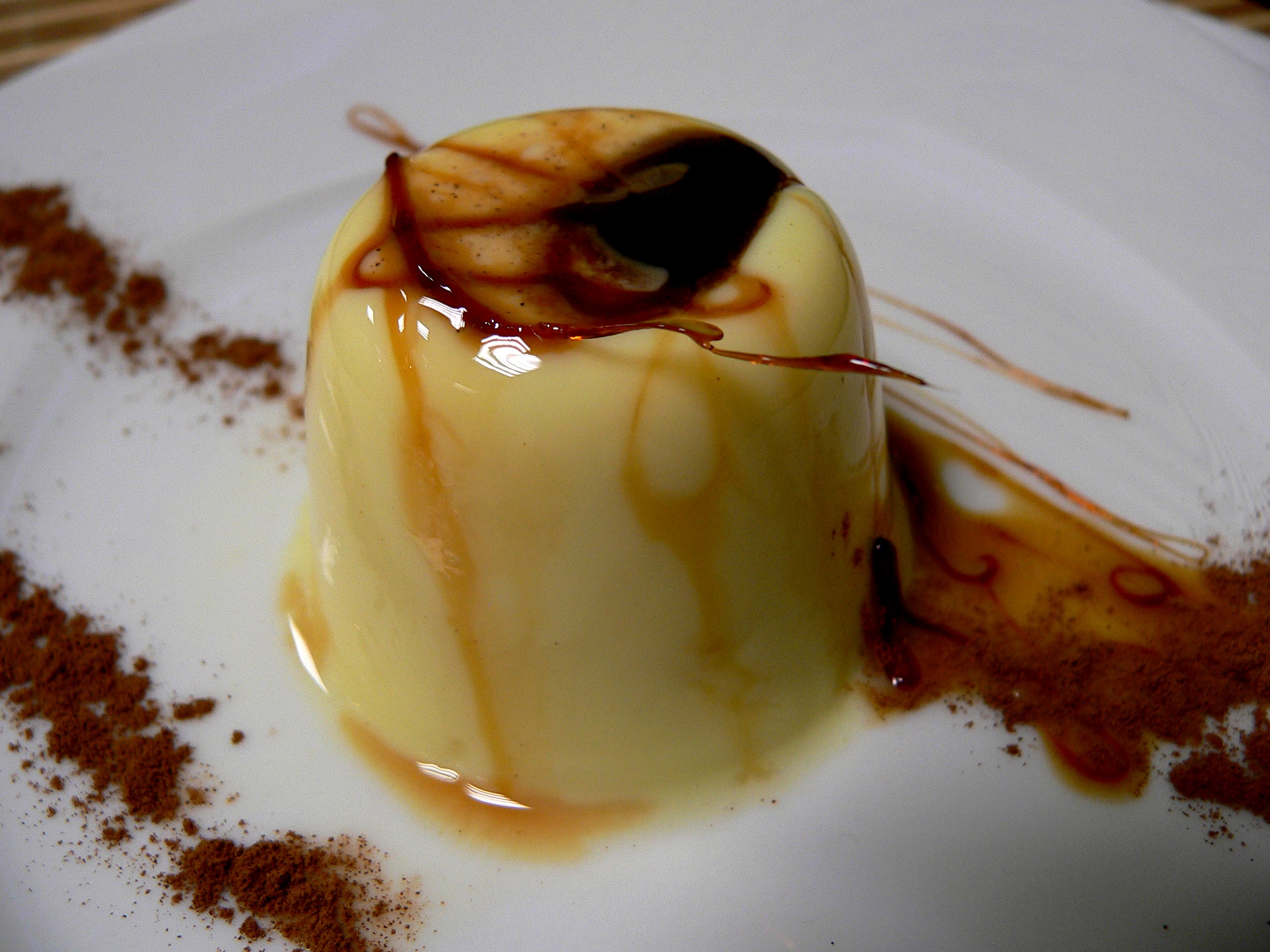
FlanHave you ever slid your spoon into a smooth, creamy serving of flan and wondered, “What genius came up with this heavenly creation?” Well, we can’t give you a name, but we can give you the ancient history behind the delectable concoction we call flan.

As with so many of our modern recipes, flan has its origins in Rome. Those crafty Romans developed flan originally as a savory dish, but quickly decided to expand its use. And while they did create a sweet honey-flavored flan, they also indulged in the less appetizing eel flan with pepper.[1] Continue reading

Don’t Miss the Next AntiquityNOW Newsletter!

AN News Grey
quillYou’re busy. We understand! So, we’ve made it easier than ever for you to keep up with AntiquityNOW. Subscribe to our email newsletter and occasional updates and you’ll never miss another insightful blog post, new curriculum for the classroom, free bookmark, cookbook or any of our other free resources. You won’t get a barrage of emails, filling up your inbox and cluttering your space. You’ll get all of the most important details in an easy-to-read format that comes just a few times a year. And the newsletter is easy to send along to your friends or share on social media so your colleagues have a chance to sign up and receive updates as well. Don’t get left out when everyone’s chatting about the ancient past around the water cooler!

Check out our latest newsletter here and click here to read our past newsletters. Don’t forget to sign up today for our next newsletter coming soon!

Fig. 1: Newspaper Rock, a rock panel of petroglyphs in Utah recording perhaps 2,000 years of human activity. Fig. 2: Modern newsstand.

Fig. 1: Newspaper Rock, a rock panel of petroglyphs in Utah recording perhaps 2,000 years of human activity. Fig. 2: Modern newsstand.


Bon Appetit Wednesday! Ancient Stir Fry

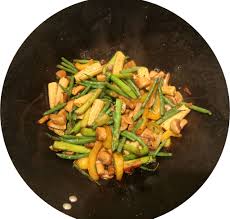
stir frySimple, delicious and ancient. It’s not difficult to understand why stir fry has endured the test of time. It’s healthy, easy-to-prepare and there are so many variations! Today we’re bringing you a recipe for traditional Chinese stir fry, but first, let’s take a quick look at its history.

There is evidence that the stir frying technique was first practiced during the Han Dynasty (206 BC – 221 AD). Inscriptions of the Chinese character “chao” (炒), which means “stir fry”, on bronze vessels point to stir-frying being used in parching grain, and archaeological evidence of woks, along with thinly cut strips of meat, suggest it was also employed as a cooking method.[1] By the time of the Song Dynasty (960-1279 CE), stir fry was being used regularly. Remarkably, we have 12 surviving stir fry-related recipes from this time period.[2] Continue reading

Strata, Portraits of Humanity, Episode 16, “Islands of Darkness” and “Louisiana Plantation Site”

StrataImage-webWe have two offerings this month in the Strata series that look into how culture evolves. In “Islands of Darkness” we see that Vanuatu has unusually high cultural diversity compared to other Pacific islands outside of New Guinea. As proof, we witness dancing on Ambrym Island, ruins on Malekula Island and a violent volcanic eruption on Tanna Island. Continue reading

Bon Appetit Wednesday! National Chocolate Lovers Month

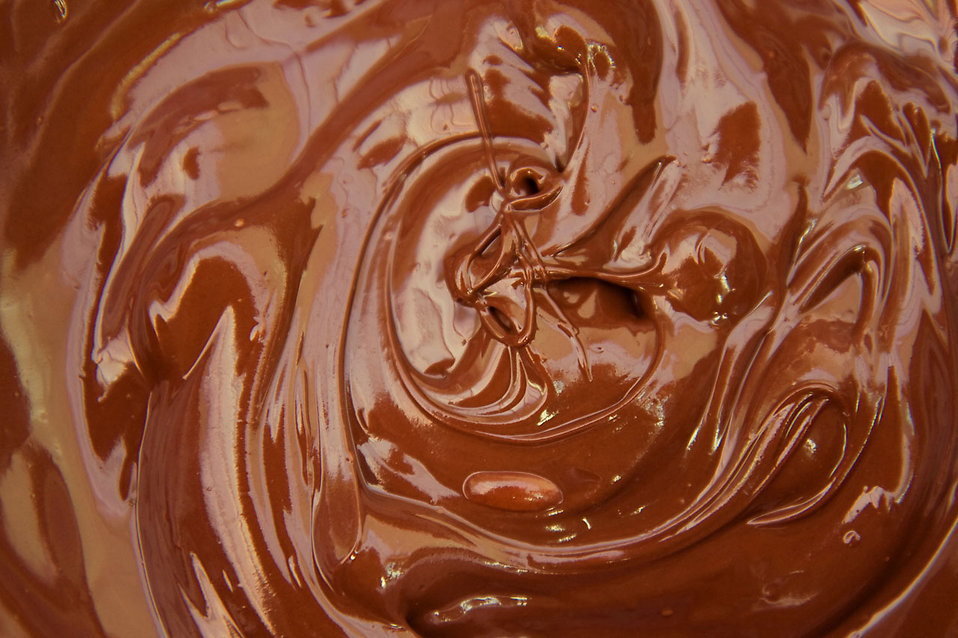
6138-close-up-of-melted-chocolate-pvMiss a chance to celebrate chocolate? Not at AntiquityNOW! It’s National Chocolate Lovers Month and we’re bringing you all of our chocolatey content in one decadent post. Humans have been chocoholics for thousands of years. Even our ancestors knew that sometimes all you need after a tough day is the taste of the velvety concoction. Click on the links below to learn about the ancient history of chocolate and to enjoy recipes inspired by chocolate’s unique and delicious past. Scroll down to find an adventurous and unexpected recipe for Chocolate Chicken. With all of these fantastic recipes, you can observe this holiday by serving chocolate for every meal! Continue reading

Mapping Cultural Heritage in Danger

St. Elijah's Monastery in Iraq. The oldest Christian monastery in Iraq, recently destroyed by ISIS.

St. Elijah’s Monastery in Iraq. The oldest Christian monastery in Iraq, recently destroyed by ISIS.

In our post series “Maps: Defining and Explaining our Past, Present and Future,” we discuss how important maps can be in helping us to visualize and understand where we’ve been and where we’re going. Today, maps are helping us to keep track of our vanishing past. Sadly, every day we are losing pieces of our history. Specifically, the cradle of civilization is being systematically destroyed. The Antiquities Coalition has taken action and created the Culture Under Threat Map, “which tracks instances of deliberate targeting of cultural heritage for destruction in the Middle East and North Africa.”

According to the Antiquities Coalition website: Continue reading

Bon Appetit Wednesday! Cabbage Soup for National Cabbage Day

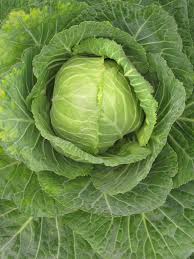
cabbageDid you know that today is National Cabbage Day? With its long and rich history, this leafy vegetable certainly deserves its own holiday. So today we’re bringing you a recipe for a cabbage soup that will keep you warm through the end of winter. As well, we’ll explore the healing properties of this ancient and ubiquitous food.

Cabbage is believed to have originated in the eastern Mediterranean and Asia Minor, but it is unclear as to how it made its way into Europe. One clue is in its name. It is a member of the Brassica family, which includes other veggies such as broccoli, cauliflower and kale. The Latin “Brassica” was influenced by the Celtic word “bresic,” which means cabbage. It is for this reason some say the Celts were responsible for bringing cabbage to prominence as a food. The Celts began invading the Mediterranean around 600 BC, so it is probable that they picked cabbage up on their journeys and brought it with them throughout Europe.[1] The other theory is that the Romans introduced cabbage to Europe. Continue reading