Have you ever sat down at the end of a long day and written in your diary? Or maybe you just updated your Facebook status and shared what you ate for dinner or how you were feeling after a difficult day at school. What if ancient people from thousands of years ago had done the same thing? We could learn so much about the way people lived, how they felt, what they did. These are the kinds of things archaeologists get to study when they are lucky enough to find written records and testimonies from ancient times. Continue reading
Tag Archives: AntiquityNOW
KIDS’ BLOG! Take a Glimpse into the Lives of the Ancient Judeans and Make Your Own Piece of History
5 Ways to Celebrate an Ancient Valentine’s Day, Courtesy of AntiquityNOW
It’s the most romantic day of the year and you’re not quite sure how to show your one true love that you’ll love him or her for a thousand years…. We have the answer. Give a Valentine’s Day inspired by the ancient past and remind your one and only that no matter how many years pass, your love is as timeless as the Mona Lisa and as enduring as the pyramids. Continue reading
Posted in Art, Blog, Culinary, Culture, Holidays, Literature, Public Life
Tagged ancient food, ancient history, ancient love, AntiquityNOW, valentine's day
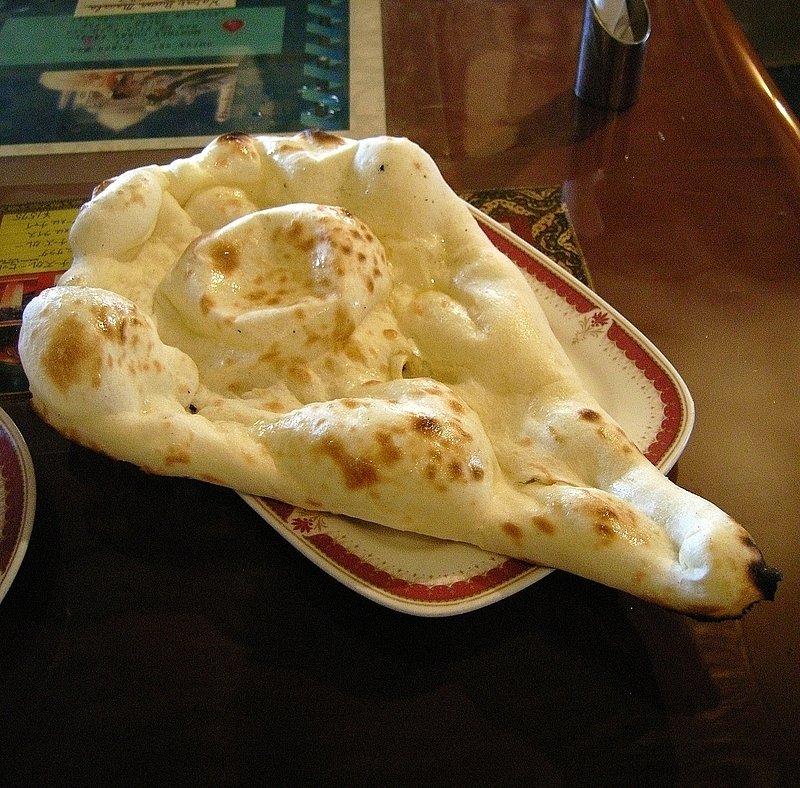
Bon Appetit Wednesday! Naan: Hot, Bubbly, Soft, Crispy and Ancient
Naan—warm, round, flat, its surface bubbled to perfection. A bread so simple and yet so profoundly scrumptious. The perfect accompaniment to a delicious South Asian meal. Like so many unassuming, but integral dietary staples, naan has an ancient history. Today we bring you a recipe for a modern, homemade, vegan naan and the history behind this ancient comfort food. Continue reading
Posted in Blog, Bon Appetit Wednesday, Culinary, Culture
Tagged ancient bread, ancient food, ancient Indian food, ancient recipes, AntiquityNOW, Bon Appetit Wednesday, India food, kulcha, naan, roti
To Repatriate or Not to Repatriate, That is the Question….James Cuno’s Case Against Repatriating Museum Artifacts

The Elgin Marbles, one of the most famous cases in the debate over repatriation, are seen here in the British Museum.
The topic of repatriation of cultural artifacts is hotly contested, with intense opinions and emotions on both sides of the argument. Repatriation of cultural artifacts is a process by which an item is returned to its country of origin. Whether or not an item should be returned to its country of origin may seem like an easy question to answer. Of course a nation’s cultural history should rest with the nation itself. However, the issue is not so simple. Most people agree that when repatriation is requested because an item has been looted and illegally removed from its origin, it should be returned, but when the repatriation request is based solely upon a nation’s claim to their cultural heritage, the issue becomes extremely complicated. There are questions about a nation’s ability to safeguard the item, questions surrounding regions at war and embroiled in violent conflict, issues with humanity’s right to its shared cultural heritage and problems that arise when multiple nations claim a right to the artifact because the original home of the artifact no longer exists. In fact, the topic is so nuanced and is impacted by so many different forces, it is sometimes difficult to figure out which side you’re on. Continue reading
Bon Appetit Wednesday! Ancient Roman Ostrich Ragoût
In our exploration of ancient foods and recipes, we’ve often found that ancient people not only ate extremely healthy foods, they also ate some things that seem very unusual to us today. We’ve learned that ancient Britons ate nettles, the Greeks and Romans ate fish sauce doughnuts and in ancient Japan they fried maple leaves! Today we’re bringing you another unusual but delicious recipe straight out of an ancient Roman cookbook. Although you may never have considered eating ostrich, it is actually a highly nutritious form of protein. The accompanying sauce in the recipe, which is quite savory, is adaptable for other meats as well. (You can substitute turkey or beef steak for the ostrich.) Continue reading
25 Days Left Until the LegacyQuest 2015 Deadline!
It’s not too late to bring history to life! Submit your video showing how the past has resonance today. Join in our international film festival for tweens!
Final videos due February 27, 2015
- Visit https://antiquitynow.org/antiquitynow-month/legacy-quest-festival/ for submission details (individuals ages 12-15 and teachers/students eligible).
- Email us at info@antiquitynow.org to tell us you will submit a video.
- Don’t miss our previous posts about the 2014 competition. You can learn all about the students, their videos and their experience with LegacyQuest.
Posted in Blog, Kids Blog, LegacyQuest
Tagged ancient history, AntiquityNOW, film festival, LegacyQuest, middle school education, social studies
Strata: Portraits of Humanity, Episode 3, “Turkey’s Anatolia” and “English China Shipwreck”
This month we’re pleased to bring you Episode 3 of the new video newsmagazine series, Strata: Portraits of Humanity, produced by AntiquityNOW’s partner, Archaeological Legacy Institute. In this two-part episode we explore the diverse cultural antecedents of the eastern and southeastern Anatolia region in Turkey as well as a 19th century shipwreck in Florida. Continue reading
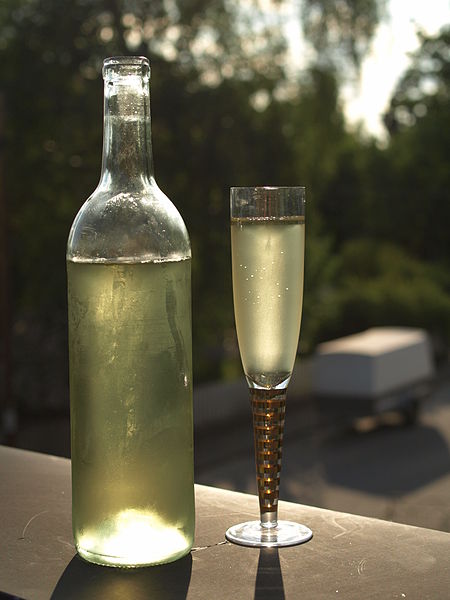
Bon Appetit Wednesday! Mix It Up With a Mead Cocktail for the Super Bowl
The Seahawks and Patriots are playing in the National Football League’s Super Bowl XLIX in the United States this Sunday. There’s lots of planning to do before you throw the Super Bowl party of the century. You’re probably stocking up on chips, dip and of course beer, but maybe this year you should consider serving your guests a different libation. We’re bringing you a simple recipe that features what is believed to be the first alcoholic beverage: mead. Surprise your fellow fans with this ancient drink and impress them with a bit of history behind its main ingredient. And just in case you want to prepare for next year’s big game, we’re also providing an easy and delicious recipe for making your own mead. Get started early, though. It takes about six months to mature. Continue reading