Category Archives: Blog

Easter, Resurrection and Chocolate Bunnies: Social Marketing Through the Ages

Image courtesy of Toelstede (Wikipedia-Name Nyks).

Image courtesy of Toelstede (Wikipedia-Name Nyks).

Easter is one of the holiest of holidays for Christians.   And with Easter’s roots in antiquity, we can see why the symbolism of this holiday continues to give succor and hope to believers today. But Easter is also a holiday that resonates for secular audiences.  You just have to know your market.

Easter derives its name from Eostre, an Anglo-Saxon goddess of spring. As happened with many pagan holidays, early Christians saw an opportunity.  Around the second century CE they began absorbing Eostre’s meaning into their own story of Christ’s death and resurrection.  It was the holiday that spoke to the core of the human experience:  that death was merely transitory and that life—whether in this world or the next–prevailed.  So the most heralded and cherished concept of the Christian faith became entwined with Eostre, which itself commemorated life triumphing over death.  By correlating the stories over time, the fledgling Christian church not only gained a popular holiday, but also converts.  Forget today’s marketing calibrations for brand loyalty, return on investment and predictive validity.  This early social marketing by enterprising Christians is a case study of excellence in branding.  What better than a holiday celebrating life over death?  What smarter business plan than capitalizing on the success and market share held by your competitor, in this case, Eostre celebrants? Continue reading
Bon Appetit Wednesday! Green Borscht With Matzah for a Multi-Cultural Passover

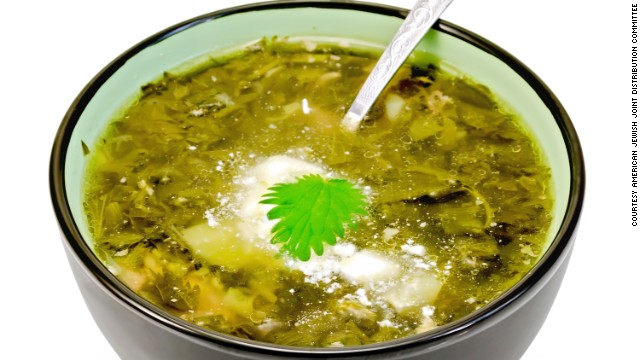
Green nettle soup in a bowl with a spoon isolated on white background

Monday night, April 14th, was the first night of Passover, the eight-day festival celebrated by Jews around the world to commemorate the emancipation of the Israelites from slavery in ancient Egypt. The start of the holiday always corresponds to the 15th day of the Hebrew month of Nissan. Continue reading

May Is AntiquityNOW Month! Join the Celebration!

AN Month bigWhen we considered a commemoration in 2013, we asked ourselves a question:  Why have an AntiquityNOW month?   The answer was in our mission: to show how antiquity’s legacy influences us today and for generations to come.  So for the month of May, we will laud human endeavor through the ages and mark the importance of our world heritage. Continue reading

Music Origins: Mesopotamia, American Gospel and the Neurology of Faith, Part II

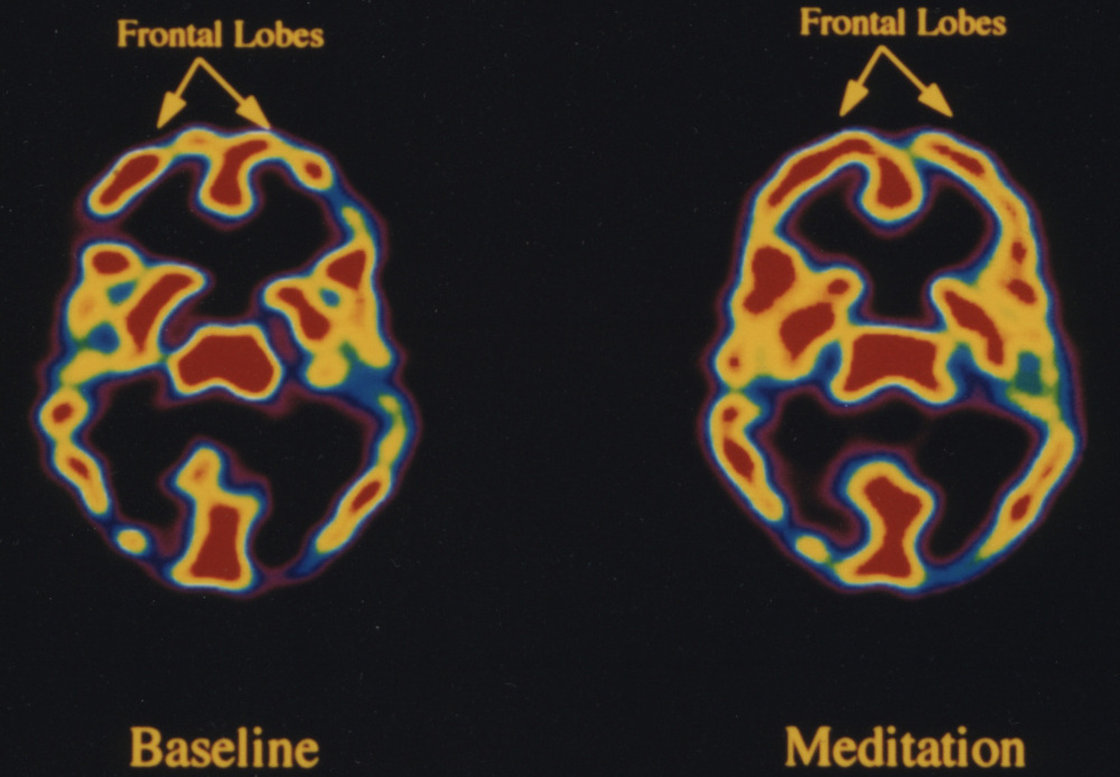
Image courtesy of Andrew Newberg, NPR.

Image courtesy of Andrew Newberg, NPR.

In Part I we looked at the importance of music in Mesopotamia and its specific role in communing with the gods. Fast forwarding nearly four millennia we found a remarkable similarity in the strains of American gospel music and the belief that the ecstasy of song enables the Holy Spirit to enter the bodies of the faithful. What is the nature of this willingness to give up one’s self to a higher being? How does music play a part? Is rapture—a potent driving force among believers—real?  Let’s look further at the reason for this music/spiritual connection by venturing inside the anatomy of the brain and as well exploring humankind’s long and precarious evolution of mind and body. Continue reading

Bon Appetit Wednesday! Celebrate National Grilled Cheese Month

grilled cheeseCheese, cheese, glorious cheese! Cubed, shredded, sliced or melted, with more than 1,400 varieties, cheese can be savored and enjoyed in countless ways. This month is dedicated to one very special cheese-related recipe. April is National Grilled Cheese Month and we’re bringing you a scrumptious (and deliciously gooey) grilled cheese recipe. But first, let’s take a look at the long and storied history of the ingredient that makes this celebration possible. Continue reading

Music Origins: Mesopotamia, American Gospel and the Neurology of Faith, Part I

Mesopotamia instrumentsThrough the centuries many forms of music have arisen out of mystical or spiritual ardor:  Indian ragas, Japanese Shinto music, Madih nabawi or Arabic hymns, the classic liturgical anthems of Europe and American gospel.  Whether by the pounding of drums or the sonorous stones of Stonehenge or the arpeggios echoing against ancient cathedral walls, worship through music has defined civilizations from early times.  What is this power in music that moves humans to seek their deities in notes, rhythms and sounds? Let’s look at two very different cultures with surprisingly similar perspectives. Continue reading

Bon Appetit Wednesday! Celebrate Ancient Grilling with Double K Grilled Salmon

double k grilled salmon

Image courtesy of Taste of Home.

It’s spring! The sun is finally awakening from its chilled slumber, snows are melting and warm winds are ushering in the new season. It’s time to head outside, fire up the grill and invite your friends and family over for a barbecue. Did you know that when those coals heat up and the smell of your repast wafts through the air, you’ll be reviving a gastronomic practice thousands of years old? Recent archaeological finds have uncovered proof that some ancient people used this very method of preparing food. In honor of this discovery, we’re featuring a flavorful salmon recipe that will do your grill proud. Continue reading

The Strange and Mysterious Origins of April Fools’ Day

aril foolsIt’s April Fools’ Day and whether you’re on the giving or receiving end of a joke, today will hopefully be a day for laughter and good-natured conviviality. This holiday has a strange history that may reach all the way back to antiquity. Before the foolishness ensues, let’s take a minute to learn how this celebration began.

The most widely accepted origin of April Fools’ Day, also called All Fools’ Day, comes from 16th century France when the calendar was changed so that New Year’s Day was celebrated on January 1st (according to the Roman calendar) as opposed to celebrating New Year’s in late March or early April with the advent of spring. Not everyone learned of the change right away and people in the country, far from the cities, would have still celebrated a spring New Year. These people were mocked and called fools. However, Alex Boese, curator of the Museum of Hoaxes in San Diego, California and an authority on April Fools’ Day, disputes this theory. Continue reading

Tattoos and the Body as Canvas

celtic knot tattoo

UPDATE!   This post was originally published on March 14, 2013. One year later and ancient tattoos are back in the news due to a fascinating find and an exciting exhibit at the British Museum. Eight mummies from Egypt and Sudan have been subjected to CAT scanning, infra-red “reflectography” and carbon dating in an effort to develop a more complete picture of their ancient lives for the new exhibit called Ancient Lives: New Discoveries. The scanning has revealed previously unseen features from beneath their wrappings. One of the most interesting discoveries is a tattoo on the inner thigh of a 1,300 year old female mummy. The tattoo represents the symbol of the Archangel Michael and spells out in ancient Greek M-I-X-A-H-A (Michael). According to an article by Robert Mendick in The Telegraph, the woman was 20-35 years of age, died in about 700 CE and “lived in a Christian community on the banks of the Nile.”[1] Continue reading

Bon Appetit Wednesday! Sabzi Polo Mahi in Honor of Persian New Year

White_house_haft_seenLast Thursday, March 20th, marked the much anticipated first day of spring. At 12:57 pm ET, the sun crossed the equator and the vernal equinox arrived. Many people cheered as winter met its official end, but the date had special significance for Persians. It was the beginning of the Persian New Year or Nowruz, a time for dancing, celebrating and most importantly, feasting! Each year the holiday begins with a special meal enjoyed around the haftseen table, where the foods are symbolic and abundant. In recognition of 2014’s haftseen table, we’re giving you a delicious Persian recipe from this traditional meal that you can enjoy in your home year-round. It’s never too late to celebrate and learn about the cuisine of an ancient culture! Continue reading