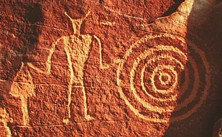
More than 6,000 years ago people were telling stories, but not with words. They captured their lives in pictures on the walls of caves and other rock surfaces. This was a preliterate time of human existence, or a time before language was written down and people were able to read and write. But the stories these ancients told in pictures still engage the mind in astonishing ways. These chroniclers of their times gave us the gift of ancient sight. We can see how life was lived thousands of years ago just by looking at these artfully painted images. How amazing is that? Continue reading
Category Archives: Culture
Picture This! Ten Mysterious Examples of Rock Art from the Ancient World
Posted in Ancient Origins, Art, Blog, Communications, Culture, Education, Public Life
Tagged ancient communications, ancient history, Ancient Origins, AntiquityNOW, pictograms, pictorgraphs, rock art, social studies
KIDS’ BLOG! Picture This: Pictograms and Petroglyphs and the Stories They Tell
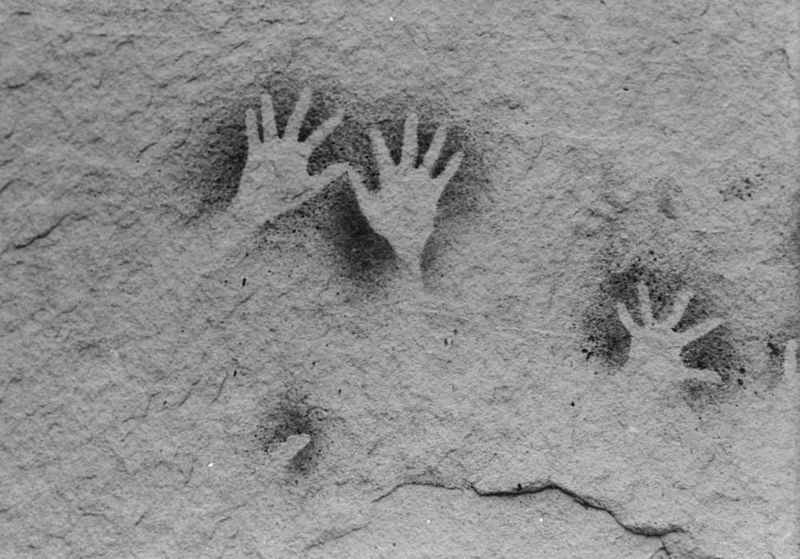
Update! This post was originally published on July 23rd, 2013. In the post below we explore the ancient history of rock art and how we’re still using pictograms to communicate today. Recently, ancient petroglyphs have been back in the news with the discovery of an ancient Aboriginal site in a suburb of Sydney, Australia. Researchers say the site is tens of thousands of years old and has probably been dismissed by locals as graffiti.[1] Actually, it is kind of like ancient graffiti and it helps us see into the past and get a glimpse of what life was like for the ancient people living in the area. The art is made up of hand stencils of things that were a part of everyday life, such as “eels, a spearhead and a crescent-shaped moon.”[2] The images are a particularly advanced form of aboriginal hand stencils in which numerous hands combine to form a particular shape.[3] There’s a waterhole nearby and the petroglyphs are on a rock overhang so the artists were probably living in this spot, using the rock for shelter and fishing out of the waterhole. Because of the size of the hands, researchers have concluded that this site was created by women and children.[4] Continue reading
Strata: Portraits of Humanity, Episode 4, “The Secret Passage,” “Weedon Island Canoe” and “Alchester Memorial Stone”
This month we’re pleased to bring you Episode 4 of the new series Strata: Portraits of Humanity, produced by AntiquityNOW’s partner, Archaeological Legacy Institute. In this three-part episode we look at memory and how we preserve the past to remember the lives that were lived so long ago. Continue reading
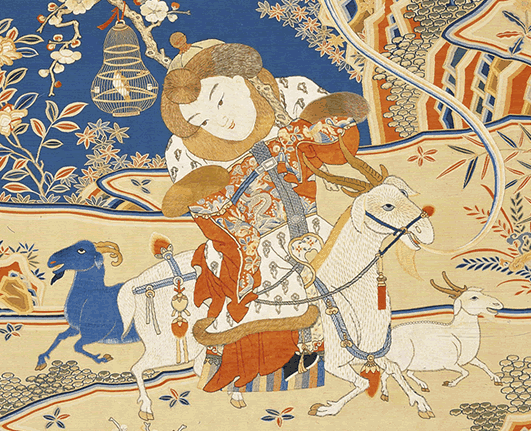
Happy Year of the Ram, Sheep or Goat From AntiquityNOW!
We hope you enjoy a festive New Year filled with tradition, feasting, family and friends! Check out our previous posts on Chinese New Year to find fascinating history and some delicious recipes for the holiday:
- Students Celebrate Chinese New Year with Dragons and Dance
- Celebrating Chinese New Year: The Dragon Re-Interpreted
- Celebrating Chinese New Year: Explore China’s Past, Present and Future With Videos From The Archaeology Channel
- Coming January 31: Chinese New Year and the Year of the Wooden Horse
- Bon Appetit Wednesday! Pork Dumplings for the Year of the Horse
- Bon Appetit Wednesday! Table of Togetherness
Posted in Art, Blog, Culture, Holidays, Public Life
Tagged ancient history, ancient recipes, AntiquityNOW, Chinese New Year, Tray of Togetherness, Year of the Goat, Year of the Ram
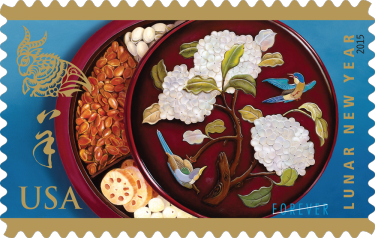
Bon Appetit Wednesday! Tray of Togetherness for Chinese New Year
Chinese New Year is a fun and meaningful time filled with family, feasting and important traditions with deep, ancient roots. In the past we’ve brought you recipes for pork dumplings, Nian Gao (sticky cake), egg custard tarts and sweet cream cheese fried wontons. This year we’re featuring another essential part of Chinese New Year, the Tray of Togetherness or Chuen Hop. In fact, this piece of the celebration is so important that it is featured on the 2015 U.S. Postal Service Year of the Ram stamp. Continue reading
KIDS’ BLOG! Take a Glimpse into the Lives of the Ancient Judeans and Make Your Own Piece of History
Have you ever sat down at the end of a long day and written in your diary? Or maybe you just updated your Facebook status and shared what you ate for dinner or how you were feeling after a difficult day at school. What if ancient people from thousands of years ago had done the same thing? We could learn so much about the way people lived, how they felt, what they did. These are the kinds of things archaeologists get to study when they are lucky enough to find written records and testimonies from ancient times. Continue reading
5 Ways to Celebrate an Ancient Valentine’s Day, Courtesy of AntiquityNOW
It’s the most romantic day of the year and you’re not quite sure how to show your one true love that you’ll love him or her for a thousand years…. We have the answer. Give a Valentine’s Day inspired by the ancient past and remind your one and only that no matter how many years pass, your love is as timeless as the Mona Lisa and as enduring as the pyramids. Continue reading
Posted in Art, Blog, Culinary, Culture, Holidays, Literature, Public Life
Tagged ancient food, ancient history, ancient love, AntiquityNOW, valentine's day
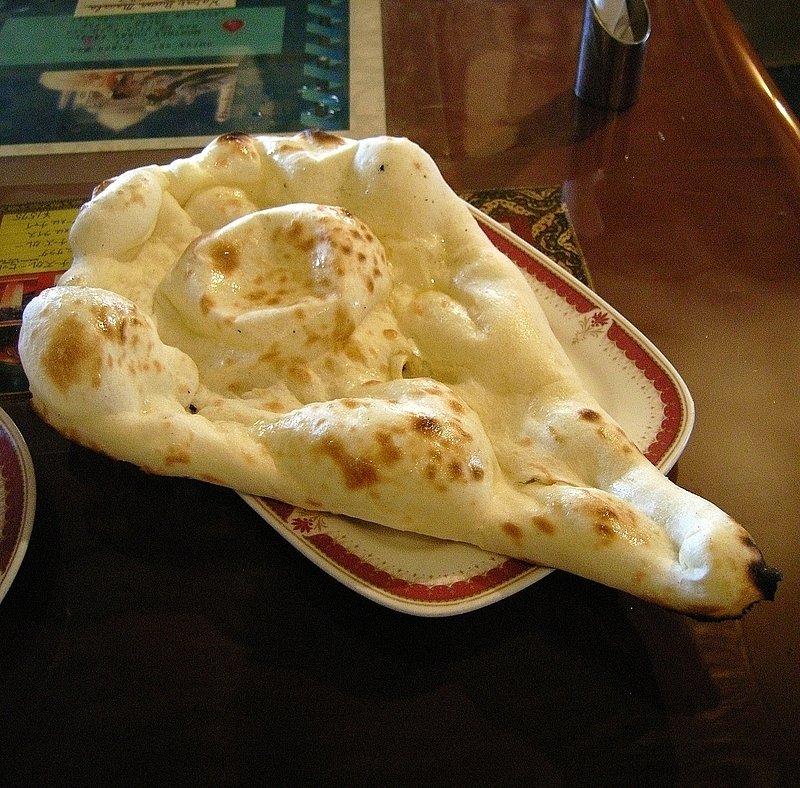
Bon Appetit Wednesday! Naan: Hot, Bubbly, Soft, Crispy and Ancient
Naan—warm, round, flat, its surface bubbled to perfection. A bread so simple and yet so profoundly scrumptious. The perfect accompaniment to a delicious South Asian meal. Like so many unassuming, but integral dietary staples, naan has an ancient history. Today we bring you a recipe for a modern, homemade, vegan naan and the history behind this ancient comfort food. Continue reading
Posted in Blog, Bon Appetit Wednesday, Culinary, Culture
Tagged ancient bread, ancient food, ancient Indian food, ancient recipes, AntiquityNOW, Bon Appetit Wednesday, India food, kulcha, naan, roti
To Repatriate or Not to Repatriate, That is the Question….James Cuno’s Case Against Repatriating Museum Artifacts

The Elgin Marbles, one of the most famous cases in the debate over repatriation, are seen here in the British Museum.
The topic of repatriation of cultural artifacts is hotly contested, with intense opinions and emotions on both sides of the argument. Repatriation of cultural artifacts is a process by which an item is returned to its country of origin. Whether or not an item should be returned to its country of origin may seem like an easy question to answer. Of course a nation’s cultural history should rest with the nation itself. However, the issue is not so simple. Most people agree that when repatriation is requested because an item has been looted and illegally removed from its origin, it should be returned, but when the repatriation request is based solely upon a nation’s claim to their cultural heritage, the issue becomes extremely complicated. There are questions about a nation’s ability to safeguard the item, questions surrounding regions at war and embroiled in violent conflict, issues with humanity’s right to its shared cultural heritage and problems that arise when multiple nations claim a right to the artifact because the original home of the artifact no longer exists. In fact, the topic is so nuanced and is impacted by so many different forces, it is sometimes difficult to figure out which side you’re on. Continue reading