
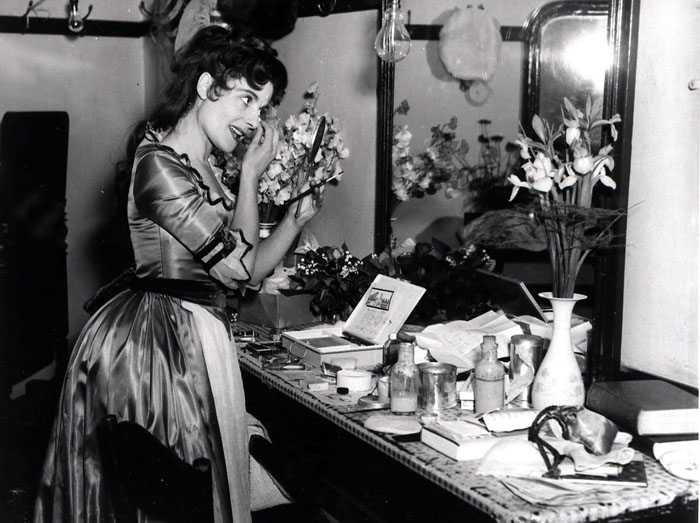
 In Part 1 of our ancient hygiene post we discussed the psychology behind our need for hygiene, our long history of soap-making and even ancient cosmetics. Now, continue on this journey with us to discover more ancient efforts to fight the “yuck.” Continue reading
The Ancient Roots of Modern Hygiene Part 2
The Ancient Roots of Modern Hygiene Part 1
 If you’re worried that modern society makes us all vain, have no fear. Truth is, we’ve been primping, prepping and peacocking for centuries.
Case in point: one particularly fussy Iron Age man found preserved in a peat bog. After all of that time underground, his hairstyle endured thanks to an early form of hair gel made from plant oil and pine resin.[1] And our ancient ancestors cooked up more than hair gel. Since we can breeze into a store for a selection of health and beauty products, you’ll be impressed by what the ancients tenaciously concocted with their limited resources. Continue reading
Bon Appetit Wednesday! Ancient Hamantaschen for Purim
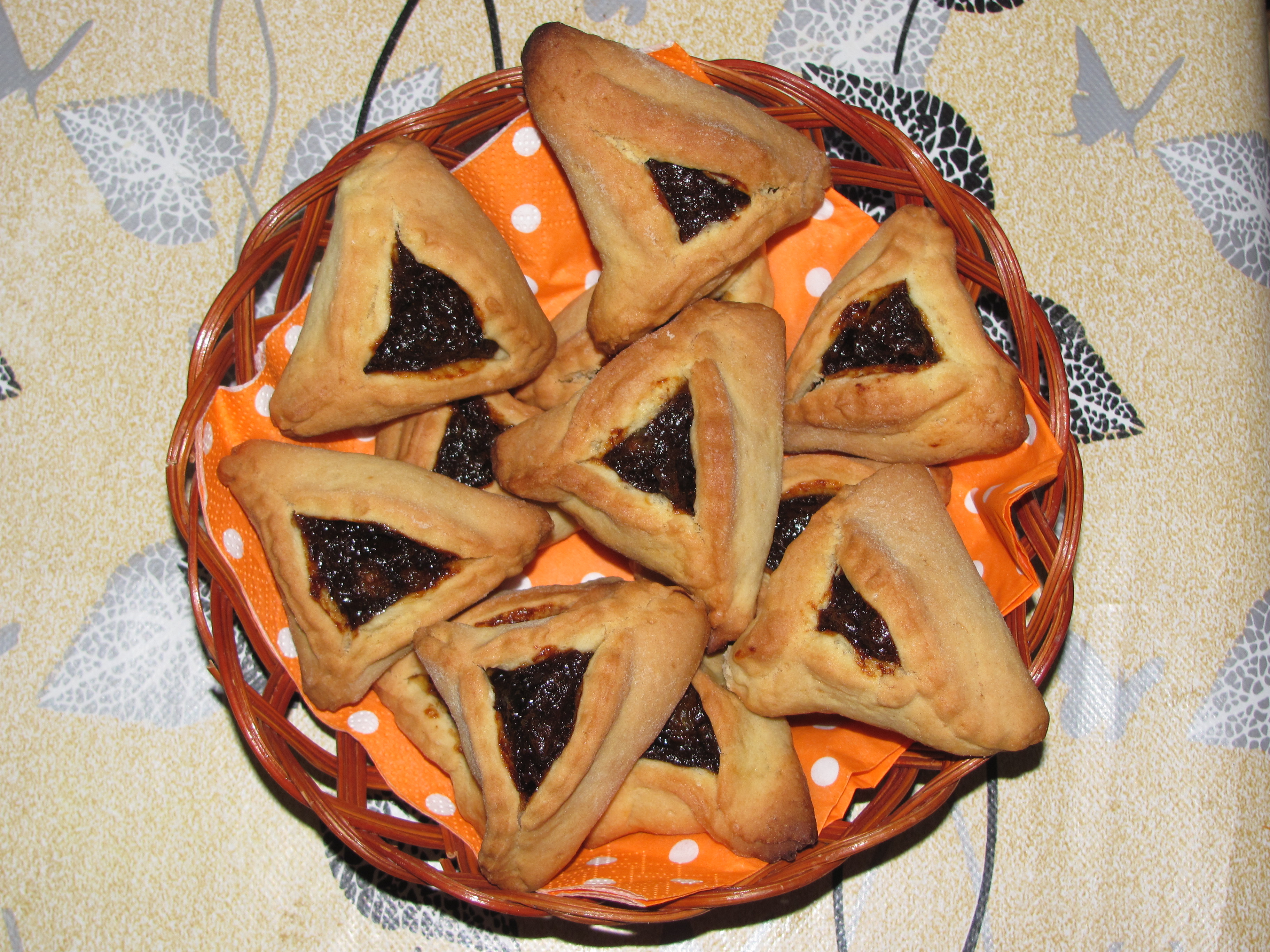 Purim begins this evening and we’re bringing you a recipe that is synonymous with the holiday, Hamantaschen. They are pockets of perfection filled with sweet fruit and stories of the past. You may have had these little filled cookies even if you’re not Jewish, but you may not know they have a deep meaning and ancient roots. Continue reading
Posted in Blog, Bon Appetit Wednesday, Culinary, Culture, Holidays, Public Life
Tagged ancient food, ancient history, ancient recipes, AntiquityNOW, Bon Appetit Wednesday, Esther, Haman, Hamantaschen, Mordecai, Purim
Picture This! Ten Mysterious Examples of Rock Art from the Ancient World
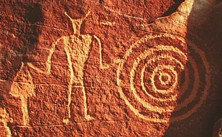
Petroglyph attributed to Classic Vernal Style, Fremont archaeological culture, eastern Utah, USA.
More than 6,000 years ago people were telling stories, but not with words. They captured their lives in pictures on the walls of caves and other rock surfaces. This was a preliterate time of human existence, or a time before language was written down and people were able to read and write. But the stories these ancients told in pictures still engage the mind in astonishing ways. These chroniclers of their times gave us the gift of ancient sight. We can see how life was lived thousands of years ago just by looking at these artfully painted images. How amazing is that? Continue reading
Posted in Ancient Origins, Art, Blog, Communications, Culture, Education, Public Life
Tagged ancient communications, ancient history, Ancient Origins, AntiquityNOW, pictograms, pictorgraphs, rock art, social studies
KIDS’ BLOG! Picture This: Pictograms and Petroglyphs and the Stories They Tell
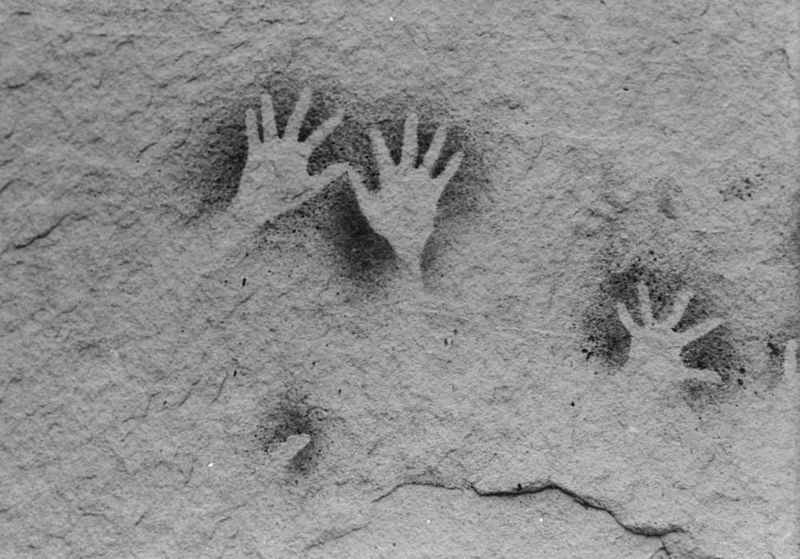
An example of Aboriginal hand stencil rock art.
Update! This post was originally published on July 23rd, 2013. In the post below we explore the ancient history of rock art and how we’re still using pictograms to communicate today. Recently, ancient petroglyphs have been back in the news with the discovery of an ancient Aboriginal site in a suburb of Sydney, Australia. Researchers say the site is tens of thousands of years old and has probably been dismissed by locals as graffiti.[1] Actually, it is kind of like ancient graffiti and it helps us see into the past and get a glimpse of what life was like for the ancient people living in the area. The art is made up of hand stencils of things that were a part of everyday life, such as “eels, a spearhead and a crescent-shaped moon.”[2] The images are a particularly advanced form of aboriginal hand stencils in which numerous hands combine to form a particular shape.[3] There’s a waterhole nearby and the petroglyphs are on a rock overhang so the artists were probably living in this spot, using the rock for shelter and fishing out of the waterhole. Because of the size of the hands, researchers have concluded that this site was created by women and children.[4] Continue reading
Bon Appetit Wednesday! The Ancient Pierogi
 Winter here in the northern hemisphere is showing no signs of abatement, and as the snow piles up, there’s no better time than the present for some good, old fashioned comfort food. Luckily, we’ve got a recipe with a long history of filling the belly and warming the heart. Homemade pierogis are perfect for a cold winter night. We’re bringing you a scrumptious recipe for making your own Polish potato and cheese filled pierogis from scratch. Get the kids involved and make it a fun family activity on a bleak and frigid snow day! Continue reading
Posted in Uncategorized
Strata: Portraits of Humanity, Episode 4, “The Secret Passage,” “Weedon Island Canoe” and “Alchester Memorial Stone”
 This month we’re pleased to bring you Episode 4 of the new series Strata: Portraits of Humanity, produced by AntiquityNOW’s partner, Archaeological Legacy Institute. In this three-part episode we look at memory and how we preserve the past to remember the lives that were lived so long ago. Continue reading
Happy Year of the Ram, Sheep or Goat From AntiquityNOW!
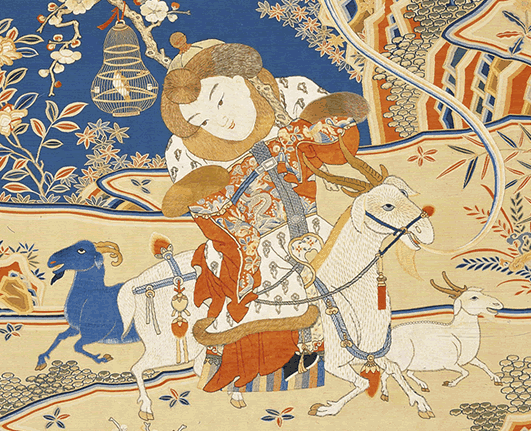
Hanging scroll from the Qing Dynasty (1644-1911/1912)
We hope you enjoy a festive New Year filled with tradition, feasting, family and friends! Check out our previous posts on Chinese New Year to find fascinating history and some delicious recipes for the holiday:
- Students Celebrate Chinese New Year with Dragons and Dance
- Celebrating Chinese New Year: The Dragon Re-Interpreted
- Celebrating Chinese New Year: Explore China’s Past, Present and Future With Videos From The Archaeology Channel
- Coming January 31: Chinese New Year and the Year of the Wooden Horse
- Bon Appetit Wednesday! Pork Dumplings for the Year of the Horse
- Bon Appetit Wednesday! Table of Togetherness
Posted in Art, Blog, Culture, Holidays, Public Life
Tagged ancient history, ancient recipes, AntiquityNOW, Chinese New Year, Tray of Togetherness, Year of the Goat, Year of the Ram
Bon Appetit Wednesday! Tray of Togetherness for Chinese New Year
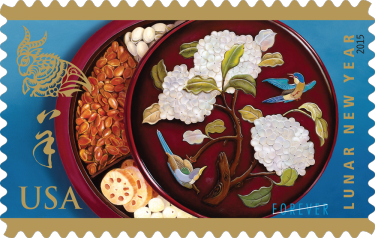 Chinese New Year is a fun and meaningful time filled with family, feasting and important traditions with deep, ancient roots. In the past we’ve brought you recipes for pork dumplings, Nian Gao (sticky cake), egg custard tarts and sweet cream cheese fried wontons. This year we’re featuring another essential part of Chinese New Year, the Tray of Togetherness or Chuen Hop. In fact, this piece of the celebration is so important that it is featured on the 2015 U.S. Postal Service Year of the Ram stamp. Continue reading
KIDS’ BLOG! Take a Glimpse into the Lives of the Ancient Judeans and Make Your Own Piece of History

A cuneiform tablet similar to the ones on display in the Bible Lands Museum.
Have you ever sat down at the end of a long day and written in your diary? Or maybe you just updated your Facebook status and shared what you ate for dinner or how you were feeling after a difficult day at school. What if ancient people from thousands of years ago had done the same thing? We could learn so much about the way people lived, how they felt, what they did. These are the kinds of things archaeologists get to study when they are lucky enough to find written records and testimonies from ancient times. Continue reading




 AntiquityNOW