In Ancient Dentistry Part 1: Drills, Gemstones and Toothpaste!, we looked at how dentistry was practiced millennia ago in Pakistan, Slovenia, Algeria, France, North America and Egypt. Drilling, implants and tooth bling were some long ago procedures with fascinating modern day correlations. Ironically, despite having toothpaste and dental procedures, it seemed that the Egyptians suffered a great deal of tooth discomfort, which was apparent from the formulas for pain potions found recorded on papyrus and in the condition of the teeth of many mummies. Continue reading
Bon Appetit Wednesday! Celebrate National Honey Month with Honey and Vinegar Candy
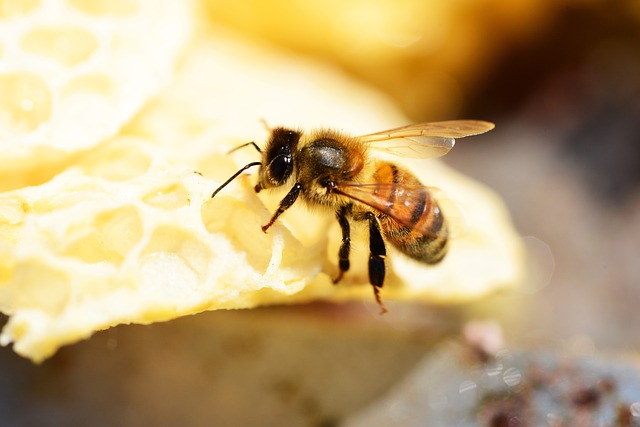
September is National Honey Month and we are celebrating this ancient super food this week with a recipe for Honey and Vinegar Candy! It’s a healthy and simple, bite-sized candy packed with all of the nutrients that come from the sweet, gooey goodness of honey. Continue reading
KIDS’ BLOG! Chinese Kites Soar Throughout History
Did you know that kites were invented 2,300 years ago? A Chinese philosopher, Mo Di, who lived from 468-376 BCE, designed the very first kite in the shape of an eagle.[1] It was not made out of paper, because paper had not been invented yet. Instead, he used wood. Imagine how hard it must have been to fly a wooden kite! Amazingly, he did manage to keep it in the air for a whole day. His student, Gongshu Ban, later nicknamed Lu Ban, learned how to build kites from Mo Di. He even improved upon his mentor’s design, making a bamboo kite in the shape of a magpie, which is a bird common on the Eurasia continent. Lu Ban was able to keep his kite in the air for up to three days.[2] Continue reading
Posted in Blog, Communications, Culture, Kids Blog, Kids: Art, Kids: Communications, Kids: Culture, Kids: Public Life, Kids: Science and Tech, Public Life
Tagged ancient history, ancient kites, AntiquityNOW, box kites, Chinese engineering, Chinese kites, General Hsin, history of kites, Lu Ban, military kites, Mo Di
Ancient Dentistry Part 1: Drills, Gemstones and Toothpaste!
We all cringe at the thought of going to the dentist — and that’s with the comfortable recliners, the soothing music, the anesthetics and analgesics. Imagine what a visit to the dentist must have been like thousands of years ago.
In modern-day Pakistan, where the earliest evidence of dentistry has been found, Stone Age dentists were wielding drills made of flint. Nine-thousand-year-old teeth found at a Neolithic graveyard showed clear signs of drilling, but also signs that rotting gum tissue had been removed, leading researchers to consider the crude drills “surprisingly effective.”[1]
In fact, in a 2006 article for the journal Nature, researchers wrote about the “perfect,” “amazing” holes those flint drills had made.[2] The holes were about one-seventh of an inch deep, except in one case where the dentist had managed to drill a hole in the inside back end of a tooth, boring out toward the front of the mouth.[3] There is no evidence of dental fillings; however, at least one researcher believes some sort of “tarlike material or soft vegetable matter” may have been placed inside the holes.[4] Unfortunately for those early patients, it’s unlikely that the dentists used any kind of anesthetic. Continue reading
Bon Appetit Wednesday! Watermelon and Feta Salad: Celebrate an Ancient Summer Fruit
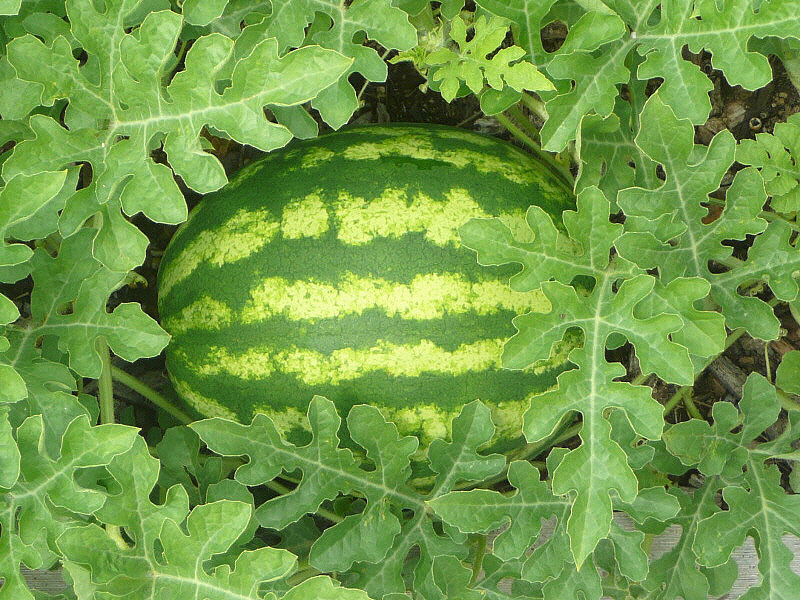
As summer in the northern hemisphere takes its final breaths, we’re all trying to cling to those sun-kissed moments and never-ending days that are filled with family, food and fun. AntiquityNOW wants to help you hold on a bit longer to these waning days so this week we’re bringing you a refreshing watermelon and feta salad recipe. Perfect for barbecues, pool parties or lazy days at home, watermelon is truly the taste of summer and feta is the perfect companion to the sweet, ruby red fruit. And while you’re enjoying the unexpectedly delicious pairing, you can learn about the ancient history behind this quintessential summertime melon. Continue reading
KIDS’ BLOG! Rain, Rain Go Away: Ancient Weather, Modern Predictions
Update! This post was originally published on June 25, 2013. Hurricane season 2014 has been pretty quiet so far, but you never know when a tiny little storm system can gain momentum and become a full-fledged hurricane. Ancient civilizations had to face threats from weather just like we do today, but they didn’t have the amazing technology we have that can track and predict storms. Read our post and learn more about ancient weather and take advantage of our all new activities after the post! Continue reading
Posted in Kids Blog, Kids: Meteorology, Kids: Natural Disasters, Kids: Public Life, Kids: Science and Tech, Meteorology, Natural Disasters, Public Life, Science and Technology, Uncategorized
Tagged ancient history, AntiquityNOW, Greek mythology, Hurricane Season, meteorology, Native Americans, storms
Bon Appetit Wednesday! Ancient Chicken Curry in a Hurry
Curry. It’s a spiced dish with a definition that continues to change and expand as new chefs and even new regions of the world explore its flavorful possibilities. Today, curry is enjoyed in a multitude of forms. This week we’re bringing you the recipe for Chicken Curry in a Hurry so you can enjoy this dish even when you have a million other tasks vying for your time. And we’re also going to provide you with a quick history behind this ancient food so you can learn while you cook! Continue reading
Exploring LegacyQuest 2014! Dancing Through the Ages
We’ve reached the final week of our Exploring LegacyQuest series and our featured video is another amazing Honorable Mention from the Morganton Day School in North Carolina. These students danced their way to success with a film that explores the origins of dance and the various styles that have emerged throughout the ages. This lively entry was produced by middle school students Edgar, Caitie, Delaney, Annie Grace and Harrison with the helping hand of their inspirational teacher, Britta Gramer. Continue reading
AntiquityNOW Celebrates Shark Week!
Strong, agile, mysterious, beautiful, ancient. Sharks have embodied our terrors and captured our imaginations for thousands of years. Today we celebrate and study sharks, even dedicating an entire week of television and social media to these denizens of the deep. Before popular culture caught on to the shark frenzy, however, ancient civilizations revered, respected, feared and even worshipped the shark. Below you’ll find a collection of images showing how some long ago cultures represented this iconic creature.
Bon Appetit Shark Week! Eat Like the Ancient Shark Callers with Papua New Guinea’s Chicken Pot
In honor of Shark Week we’re bringing you a recipe from the island of Papua New Guinea where people continue to practice the ancient practice of shark calling. The Chicken Pot is a simple dish imbued with the flavors of the islands and reminiscent of the meals the ancient villagers would have eaten. All of the ingredients can be found on the islands and are still eaten today. Before we dig in to a delicious meal, let’s learn more about the shark callers of Papua New Guinea. Continue reading