Tag Archives: ancient history

Merry Christmas from AntiquityNOW

old-christmas-card-hirez (1)The image above is one of the oldest mass produced Christmas cards. Published in England in 1843, approximately 1,000 copies were originally made, but only ten have survived in modern times. It was a scandal in Victorian England because it features a child drinking wine.[1]

Here’s hoping your holidays will be devoid of scandal and filled with feasting, family and friends!

Click here to learn more about this card and visit our posts below to discover some ancient connections to the holiday season.


[1] World’s oldest mass-produced Christmas card in SMU collection. (n.d.). Retrieved December 14, 2014, from http://www.smu.edu/News/NewsIssues/OldestChristmasCard

Bon Appetit Wednesday! Celebrating a Sephardic Hanukkah with Sfenj

sfenjIn our Bon Appetit Wednesday! post for Rosh Hashanah this year we told you about the ways in which recipes and traditions for the Jewish New Year have been influenced heavily by the cultures in which they are celebrated. A Jewish family celebrating in France may eat an entirely different meal than those celebrating in India. One of the influences we discussed comes from the Sephardic foods enjoyed by Jews residing in North Africa. Today, there are Jews all over the world whose religious feasts, including those at Hanukkah feature the flavors of places like Morocco rather than more typical dishes such as latkes. Many of these families identify with both Sephardic (Spanish and North African Jews) and Ashkenazic (primarily Eastern European Jews) Jewish traditions. Their foods and traditions are a beautiful mix of cultures. Click here to read more about Jewish ethnic diversity. Continue reading

The Middle East Outreach Council Announces 2014 Middle East Book Awards

meocBelow find a press release from the Middle East Outreach Council announcing the Middle East Book Awards. Our president, Shirley Gazsi, had the honor of serving on the judging committee. These creative, moving, educational books can be found on our Reading List page where you can also find the 2013 MEOC award selections. Continue reading

Looking Back on the Winners of LegacyQuest 2014 and Looking Forward to LegacyQuest 2015

LegacyQuest large logo blue border

Letter of Intent Deadline– December 12, 2014

(Please contact us at info@antiquitynow.org if you need an extension)

Final Entry Submission Deadline– February 27, 2015

There’s still plenty of time before final video submissions on February 27. Contact us at info@antiquitynow.org if you need an extension on the Letter of Intent that provides a brief description of your project. Don’t miss out on the opportunity to be a part of this exciting and enriching experience.

In honor of the upcoming 2015 festival, we’re taking a look back at the winners of the 2014 festival. Click here to view all of the 2014 films and visit our LegacyQuest page for details on how to get involved. Scroll down to enjoy the inspired work of last year’s winners and see antiquity in a whole new light! Continue reading

Bon Appetit Wednesday! Hot Spiced Apple Cider

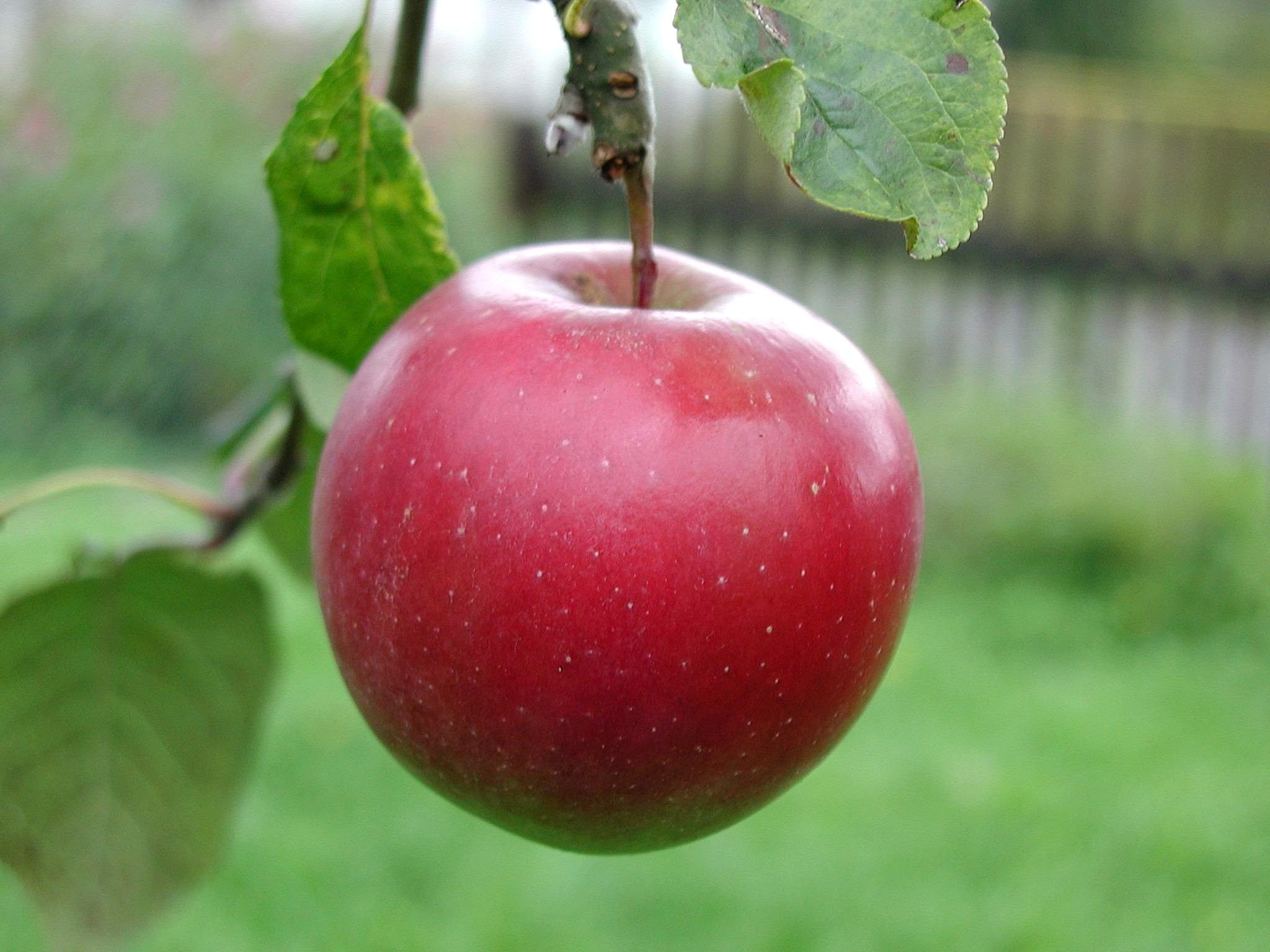
Big_red_appleThis time of year there’s nothing better than cozying up in front of the fireplace and enjoying a comforting mug of hot mulled apple cider. You can feel the warmth and cheer spread through your bones as the spices mix to make the perfect holiday drink. Continue reading

Bon Appetit Wednesday! Asparagus With Curry Butter: The Ancient History of Golden, Buttery Deliciousness

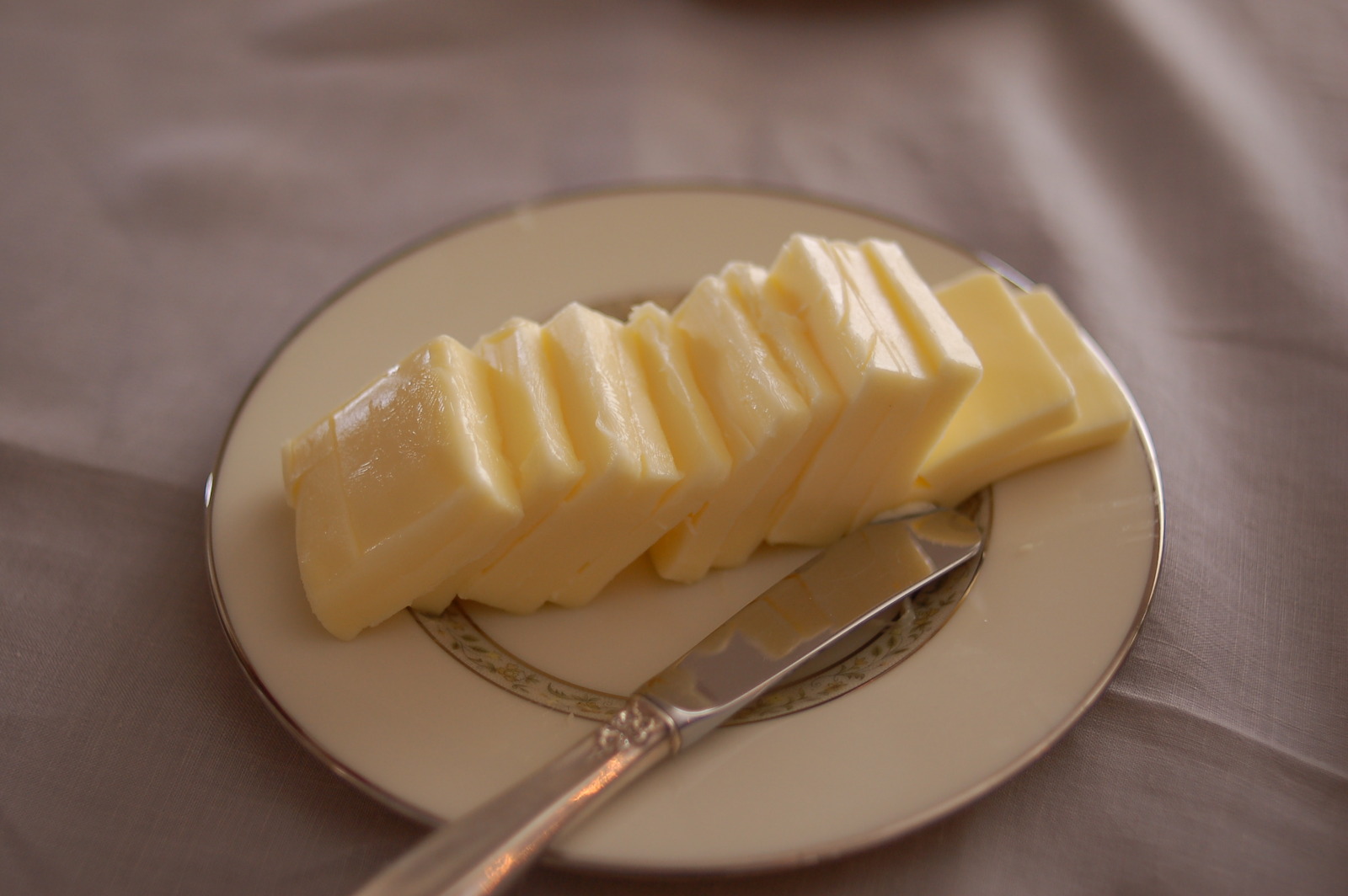
Butter_with_a_butter_knifeIn the movie Julie & Julia, Paul Child says to his wife, the soon-to-be world-acclaimed chef Julia Child, “You are the butter to my bread, and the breath to my life.”  What more apt way to express the depth of a love than comparing it to the sustenance of life? Continue reading

Image

Happy Thanksgiving from AntiquityNOW!

happy thanksgiving

In between feasting and football, check out our previous posts on Thanksgiving and the foods we enjoy on this holiday!

Bon Appetit Wednesday! Why Do We Eat Turkey on Thanksgiving?

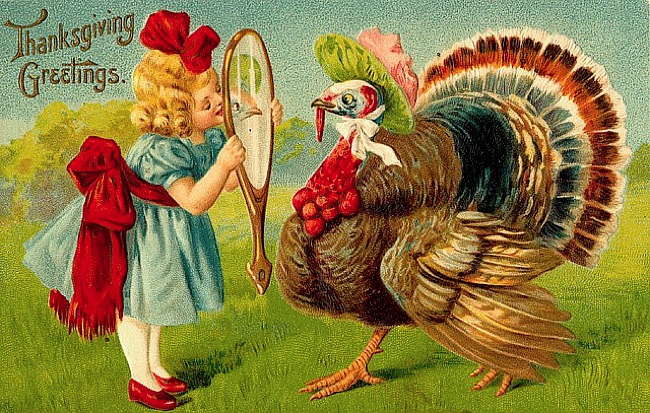
turkeyWhy don’t we eat hot dogs on Thanksgiving? Or a seafood feast? Whether it’s roasted, smoked or fried, with cranberry sauce or smothered in gravy, turkey is synonymous with Thanksgiving in the United States and has even infiltrated various other Thanksgiving feasts around the world. Today, we’re bringing you some fun facts about why turkey is the main food for this holiday and sharing a recipe for Turkey Sobaheg, a turkey stew that has been cooked by the Wampanoag Native American tribe for centuries. Continue reading

Maps, Part I: Defining and Explaining our Past, Present and Future

800px-FraMauroDetailedMapHistory can be difficult to understand. The way it is told and interpreted depends on the point of view of a person or a culture, the time period from which it is being viewed and a thousand other variables that affect what is actually perceived as the truth of history. One of the greatest tools for anyone wanting to learn more about the past is often overlooked. Maps do more than tell us how to get where we’re going. Maps give us visual representations of the past. They can illustrate growth and movement of civilizations, the spread of various cultures, patterns that repeat themselves throughout time and so much more. Today we’re bringing you some fantastic resources that will help to illuminate the past and explain it in ways you may never have considered. These are great sites to use on your own or in the classroom. Continue reading

KIDS’ BLOG! Do You Love Being Fashionable? So Did Our Ancient Ancestors!

Image courtesy of imagerymajestic / FreeDigitalPhotos.net, Image courtesy of imagerymajestic / FreeDigitalPhotos.net, Image courtesy of artur84 / FreeDigitalPhotos.net

Image courtesy of imagerymajestic, artur84 / FreeDigitalPhotos.net

UPDATE! This post was originally published on September 27, 2013. In the post below we bring you fascinating information about an ancient sweater found last year in Norway that is remarkably similar to some of the fashions we wear today. It is so important for us to study ancient clothing and textiles like the Norwegian sweater because the information we learn gives us clues to how our ancestors lived and it teaches us that we have a lot in common with those who came before us. Recently, another exciting discovery about ancient clothing was made on the island of Cyprus at the archaeological site of Erimi-Laonin tou Porakou. A workshop complex was excavated which appears to have been used for “textiles and dyeing.”[1] Continue reading