
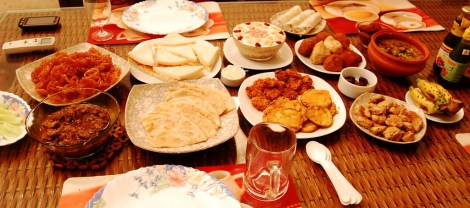
 Ramadan, the ninth month of the Islamic calendar, a month of prayer and fasting, began last week and ends on July 5th. If you are observing Ramadan, you know that planning the Iftar and Suhur meals is key. While Ramadan has ancient roots, today many households are mixing their modern habits into the month. Health is a top priority for many families. Perhaps this year you’re trying to be a bit healthier in your observance and plan meals that are delicious and nutritious. It is important for these meals to provide all of the nutrition you need for the long days of fasting. For a list of healthy ideas, check out Nestle Family’s Healthy Ramadan Recipes.
And for a history of Ramadan as well as some ancient ingredients and recipes, look no further than our AntiquityNOW Ramadan posts below. Don’t miss the bonus post about the ways in which professional athletes observe Ramadan.
- Bon Appetit Wednesday! Halawet El-Riz: A Ramadan Dessert for the Ages
- Ramadan Ends With Dishes That Celebrate the Heart of Palestinian Cuisine
- *Bonus: Ramadan Observance and the World Cup: A Major Decision for Muslim Athletes
 In the northern hemisphere, the first day of summer is rapidly approaching as the mercury climbs up the thermometer. The search is on for the most refreshing summer recipes to tickle your taste buds at cookouts, pool parties and sunny brunches. One fruit that is sure to put you in the summer spirit is honeydew melon. Bursting with flavor, this melon is versatile, delicious and ancient. Today we’re bringing you some juicy facts about the honeydew, along with a recipe that utilizes another of our favorite ancient ingredients, kefir (Don’t miss our
 Ah, Paris in spring. What could be more glorious? Strolling the boulevards abloom with horse chestnut trees. Taking a boat ride down the Seine. Climbing to the top of the Eiffel Tower or gazing rapturously at the Mona …. Wait a minute. What’s that delectable aroma? What are those people consuming with such gusto? Yes! Regard the street vendor deftly creating that culinary perfection. Lo and behold, it’s the inimitable crepe!
 Here’s how we’ve previously described why we take a month each year to give special attention to the past:







 AntiquityNOW