Tag Archives: Bon Appetit Wednesday

Bon Appetit Wednesday! Ancient Ricotta and a Simply Delicious Tart

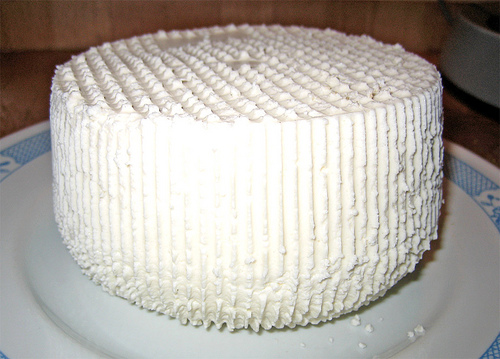
Ricotta. Image credit: Fugzu on Flickr

Ricotta. Image credit: Fugzu on Flickr

Did you know that soft, delicious ricotta cheese isn’t really a cheese at all? It’s actually a by-product of cheese-making. We’ve assembled some facts about the history of this extremely versatile “cheese,” along with a simple recipe for a ricotta tart that combined with any seasonal fruit makes for a treat of sweet perfection.

So, ricotta isn’t a cheese. It’s actually a creamy curd that has been cooked twice. The excess whey leftover when making cheese is skimmed off and then recooked, at which point the albumin in the whey solidifies and becomes the ricotta cheese we know and love. Of course, something this delicious has many potential origins, but it almost certainly evolved, as so many ancient foods did, out of necessity. It came from “peasant thrift, dairy farmyard recycling and domestic frugality.”[1] There are a few things we know for certain about ricotta’s past. Continue reading

Bon Appetit Wednesday! Ful Mudammas for Passover

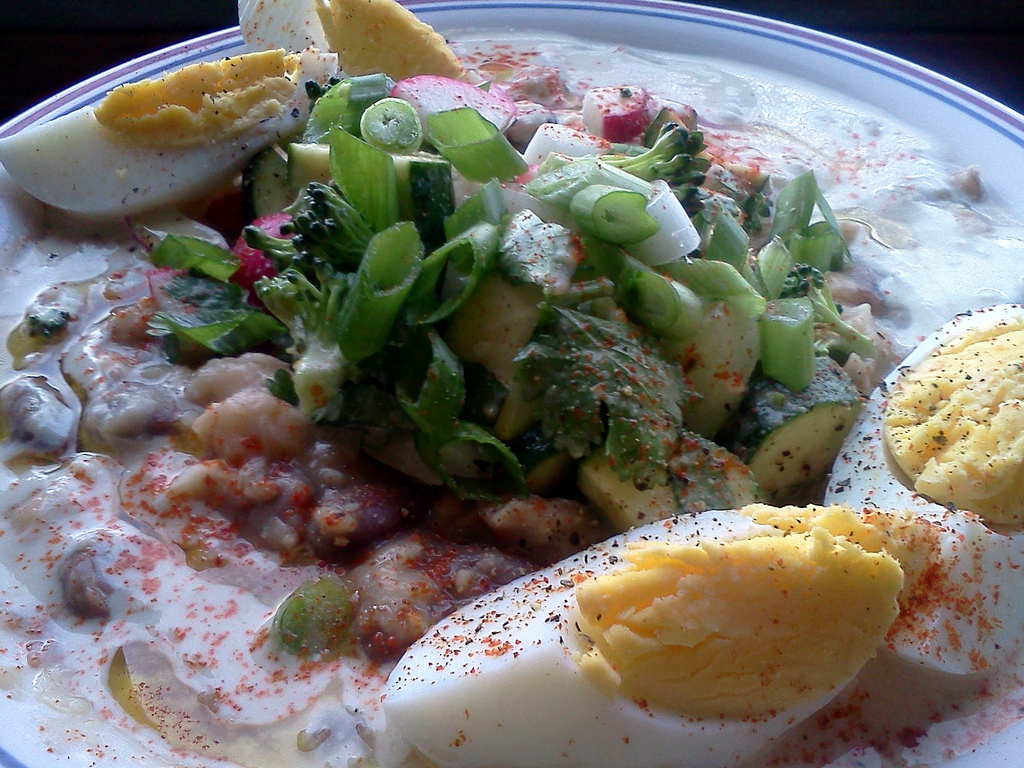
5607910397_2b7201b372_bPassover begins this Friday evening, April 3rd, and if you haven’t finished planning your Seder, do not fear. We have a delicious recipe that is vegan, kosher and ancient. Ful Mudammas has a fascinating history.  It also boasts a wealth of nutrients that have sustained the ancient Israelites for thousands of years.

For a brief explanation of Passover and another savory Seder dish, see our blog post from last year, Bon Appetit Wednesday! Green Borscht With Matzah for a Multi-Cultural Passover. Continue reading

Bon Appetit Wednesday! Ancient Hamantaschen for Purim

Homemade_hamantaschen2Purim begins this evening and we’re bringing you a recipe that is synonymous with the holiday, Hamantaschen. They are pockets of perfection filled with sweet fruit and stories of the past. You may have had these little filled cookies even if you’re not Jewish, but you may not know they have a deep meaning and ancient roots. Continue reading

Bon Appetit Wednesday! Tray of Togetherness for Chinese New Year

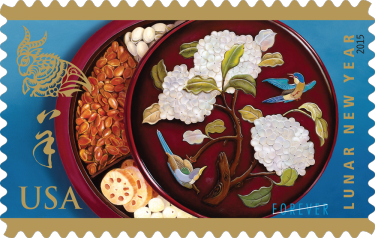
LNY2015-Forever-single-BGv1Chinese New Year is a fun and meaningful time filled with family, feasting and important traditions with deep, ancient roots. In the past we’ve brought you recipes for pork dumplings, Nian Gao (sticky cake), egg custard tarts and sweet cream cheese fried wontons. This year we’re featuring another essential part of Chinese New Year, the Tray of Togetherness or Chuen Hop. In fact, this piece of the celebration is so important that it is featured on the 2015 U.S. Postal Service Year of the Ram stamp. Continue reading

Bon Appetit Wednesday! Naan: Hot, Bubbly, Soft, Crispy and Ancient

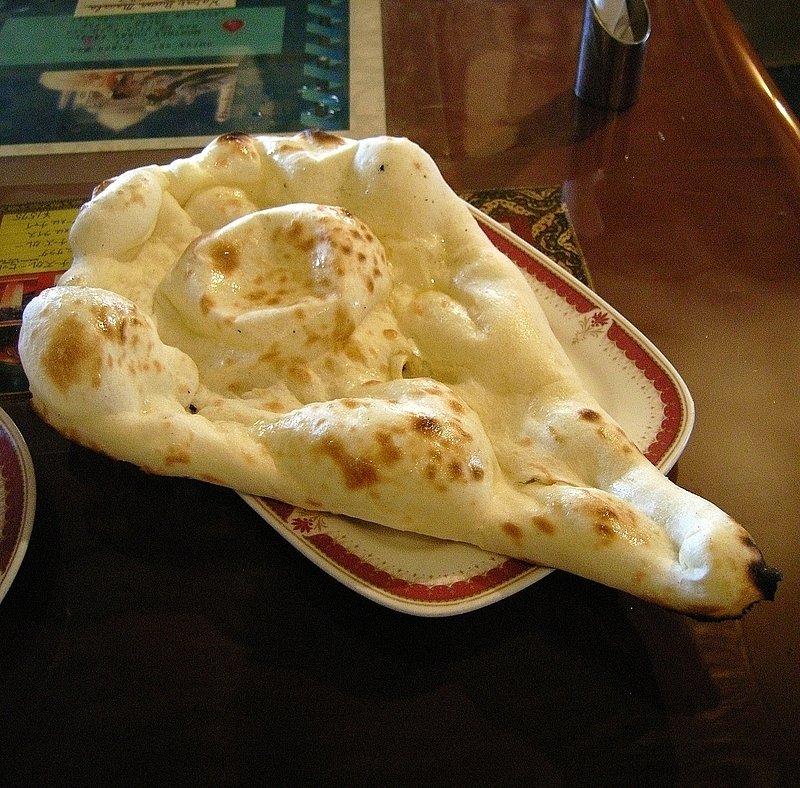
Naan_shivaNaan—warm, round, flat, its surface bubbled to perfection. A bread so simple and yet so profoundly scrumptious. The perfect accompaniment to a delicious South Asian meal. Like so many unassuming, but integral dietary staples, naan has an ancient history. Today we bring you a recipe for a modern, homemade, vegan naan and the history behind this ancient comfort food. Continue reading

Bon Appetit Wednesday! Ancient Roman Ostrich Ragoût

ostrich meatIn our exploration of ancient foods and recipes, we’ve often found that ancient people not only ate extremely healthy foods, they also ate some things that seem very unusual to us today. We’ve learned that ancient Britons ate nettles, the Greeks and Romans ate fish sauce doughnuts and in ancient Japan they fried maple leaves! Today we’re bringing you another unusual but delicious recipe straight out of an ancient Roman cookbook. Although you may never have considered eating ostrich, it is actually a highly nutritious form of protein. The accompanying sauce in the recipe, which is quite savory, is adaptable for other meats as well. (You can substitute turkey or beef steak for the ostrich.) Continue reading

Bon Appetit Wednesday! Mix It Up With a Mead Cocktail for the Super Bowl

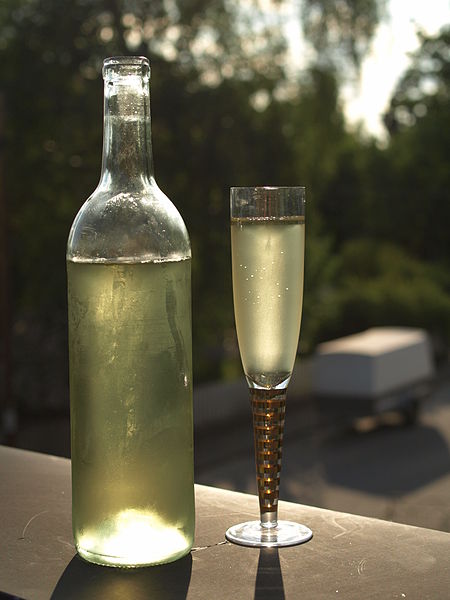
450px-Swedish_MeadThe Seahawks and Patriots are playing in the National Football League’s Super Bowl XLIX in the United States this Sunday. There’s lots of planning to do before you throw the Super Bowl party of the century. You’re probably stocking up on chips, dip and of course beer, but maybe this year you should consider serving your guests a different libation. We’re bringing you a simple recipe that features what is believed to be the first alcoholic beverage: mead. Surprise your fellow fans with this ancient drink and impress them with a bit of history behind its main ingredient. And just in case you want to prepare for next year’s big game, we’re also providing an easy and delicious recipe for making your own mead. Get started early, though. It takes about six months to mature. Continue reading

Bon Appetit Wednesday! Ancient Magical Kefir

Image courtesy of Yuriybrisk on Wikimedia Commons.

Image courtesy of Yuriybrisk on Wikimedia Commons.

We’ve written before about the benefits of looking to our past for nutritious foods. Many ancient cultures thrived in part because of the healthy, natural staples in their diets such as amaranth and quinoa in Mesoamerica, the adzuki bean in Japan and seaweed in Asia and the British Isles. Today, we’re bringing you a recipe for a delicious smoothie that features an ancient ingredient called kefir. It’s the perfect nutrient-packed start to your morning. Continue reading

Bon Appetit Wednesday! West African Jollof Rice

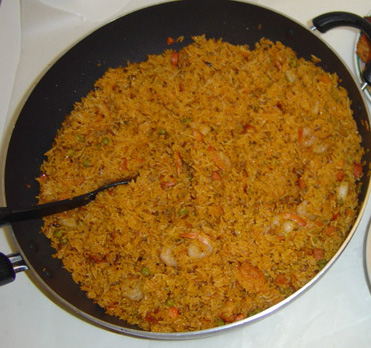
Jollof_riceIt’s an explosion of flavors, a mingling of ingredients, that creates a perfect symphony of taste. Jollof rice, or “one pot” in the Jolof language, is thought to be the original dish behind the Cajun favorite called jambalaya.[1] Jollof rice can be found in all corners of West Africa, with different regions claiming their own recipes. Each variation boasts a history with roots as deep as the culture in which it originally made its appearance. But to tell the true tale of jollof rice is to tell the story of the Wolof tribe. Continue reading

Bon Appetit Wednesday! Ancient Nettle Pudding—Britain’s Oldest Recipe

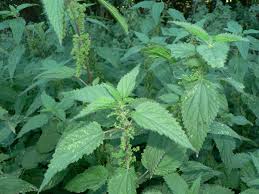
nettleWhy would anyone ever want to eat something called a “stinging nettle?” Well, because it’s delicious and nutritious! Our ancient ancestors knew the value of this unhappily named plant and you can still enjoy it today. This week we’re bringing you a recipe for an ancient Nettle Pudding. For those of you not familiar with non-dessert puddings, it has the consistency of a dumpling and is often eaten with chunks of bread and the meat it is cooked along side. Continue reading