Category Archives: Blog

Don’t Miss Out! Call for Entries for 2015 LegacyQuest International Film and Video Festival for Tweens

Letter of Intent Deadline– December 12, 2014

(Please contact us at info@antiquitynow.org if you need an extension)

Final Entry Submission Deadline– February 27, 2015

View our invitational video below and scroll down for details about the festival and how your students can get involved!


LegacyQuest large logo blue border

AntiquityNOW (AN) and Archaeological Legacy Institute (ALI) announce a call for entries for the 2015 LegacyQuest International Children’s Film and Video Festival. Held in conjunction with The Archaeology Channel’s (TAC) International Film and Video Festival, May 15-19, 2015 in Eugene, Oregon, the LegacyQuest festival invites young learners to explore how the ancient past influences their lives today through visual storytelling. The competition is open to students between the ages of 12 and 15 (6th – 8th grades) in the United States and abroad. To be eligible for consideration, films must be five minutes in length, produced in 2014 or 2015 and focus on subject matter related to antiquity’s legacy. Continue reading
Bon Appetit Wednesday! Asparagus With Curry Butter: The Ancient History of Golden, Buttery Deliciousness

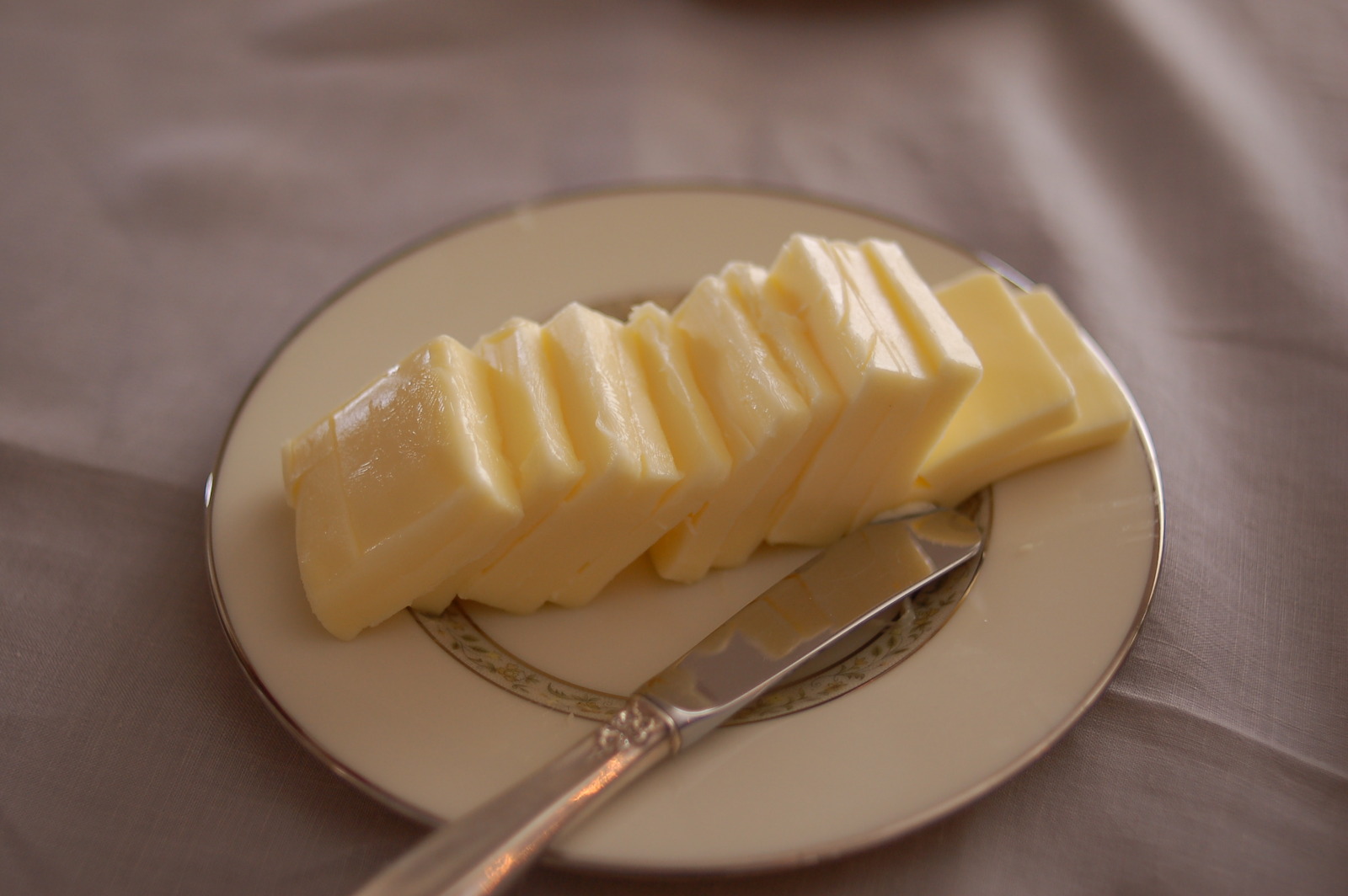
Butter_with_a_butter_knifeIn the movie Julie & Julia, Paul Child says to his wife, the soon-to-be world-acclaimed chef Julia Child, “You are the butter to my bread, and the breath to my life.”  What more apt way to express the depth of a love than comparing it to the sustenance of life? Continue reading

Maps, Part 2: Defining and Explaining our Past, Present and Future

3,600 year old Nebra Sky Disc.

3,600 year old Nebra Sky Disc.

From time immemorial humans have looked to the heavens for the sustenance given by sun and rain, for the celestial bodies that calibrated sowing and reaping, for the gods that needed adulation or appeasement, and for signs that there is a greater power that makes existence more than a throw of the dice. What is it that humans seek in mapping the ground under their feet, the seas that swell up before them and the heavens that arch high above? Continue reading

Image

Happy Thanksgiving from AntiquityNOW!

happy thanksgiving

In between feasting and football, check out our previous posts on Thanksgiving and the foods we enjoy on this holiday!

Bon Appetit Wednesday! Why Do We Eat Turkey on Thanksgiving?

turkeyWhy don’t we eat hot dogs on Thanksgiving? Or a seafood feast? Whether it’s roasted, smoked or fried, with cranberry sauce or smothered in gravy, turkey is synonymous with Thanksgiving in the United States and has even infiltrated various other Thanksgiving feasts around the world. Today, we’re bringing you some fun facts about why turkey is the main food for this holiday and sharing a recipe for Turkey Sobaheg, a turkey stew that has been cooked by the Wampanoag Native American tribe for centuries. Continue reading

Maps, Part I: Defining and Explaining our Past, Present and Future

800px-FraMauroDetailedMapHistory can be difficult to understand. The way it is told and interpreted depends on the point of view of a person or a culture, the time period from which it is being viewed and a thousand other variables that affect what is actually perceived as the truth of history. One of the greatest tools for anyone wanting to learn more about the past is often overlooked. Maps do more than tell us how to get where we’re going. Maps give us visual representations of the past. They can illustrate growth and movement of civilizations, the spread of various cultures, patterns that repeat themselves throughout time and so much more. Today we’re bringing you some fantastic resources that will help to illuminate the past and explain it in ways you may never have considered. These are great sites to use on your own or in the classroom. Continue reading

Bon Appetit Wednesday: Celebrating Germany’s National Soup Day!

soup over fireIt’s National Soup Day in Germany. Time to break out your best potato, cabbage or lentil soup, cozy up to a toasty fire and warm your bones. But of course, soup isn’t just appreciated in Germany. It’s a dish enjoyed all over the world in thousands of variations. And it has been a food staple in many ancient civilizations. In honor of Germany’s holiday we’re bringing you a recipe for hearty Kartoffelsuppe (German Potato Soup) and offering a brief ancient history of soup. So sit back, grab a spoon and enjoy! Continue reading

Strata: Portraits of Humanity, Episode 1, “Sailing Canoe”

StrataImage-webWe are pleased to bring you “Sailing Canoe,” the first documentary from our partner Archaeological Legacy Institute’s new series, Strata:  Portraits of Humanity. This monthly half-hour video series is available online and on select cable channels. Strata is a showcase for unique and diverse stories about the world’s cultural heritage. Stories come from across the globe with segments produced by Archaeological Legacy Institute and dozens of producer and distributor partners around the world. Continue reading

Bon Appetit Wednesday! Seaweed for Thanksgiving?

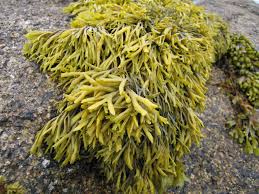
seaweedIn the past we’ve discussed several ancient superfoods including quinoa, amaranth, honey and even the adzuki bean. Today, we add one more to the list—seaweed, an ancient food from the sea that packs a punch nutritionally, but is often unappreciated by the uninitiated. Not everyone loves seaweed, but maybe they should! Today’s recipe, Carrots with Arame, is an unexpected pairing that will help you bring seaweed to the Thanksgiving table. But first, let’s make sure you can explain to your guests the history behind your curious contribution to the holiday feast. Continue reading

King Tut Controversy: The Controversial Portrait of a Boy King

AN ForumZahi HawassRecently Zahi Hawass, prominent Egyptian archaeologist, spoke out against a high profile television program called Tutankamun: The Truth Uncovered produced for the BBC and Smithsonian Channel, saying it “reveals lies, not the truth.”[1] He points out that the reconstruction of the boy king’s face is completely distorted and not based on scientific evidence and that the characterization of his hips as “feminine” is also incorrect and not based in fact. Continue reading