
 Valentine’s Day is soon upon us, and with that in mind, AntiquityNOW is testing your knowledge of ways to keep the romance fresh.
Today we are awash in all varieties of soap. Products for the hair and body can be all-natural, fruit or flower fragranced, organic, infused with lanolin, honey, aloe…the list goes on and on. There is also laundry soap and its variations on the themes of squeaky clean and fresh scents. Disinfectants, anti-bacterial cleansers and scrubbing agents of all kinds prove that there is no end to our obsession with cleanliness. As we’ve learned through centuries of dirt, sickness and plain old yuck, hygiene as we have come to understand and practice it has saved our noses from stench and our bodies from disease.
But soap is a relatively new product in the history of human sanitation, being discovered and perfected only 500 years ago in a small town in what is now Eastern Hungary. It was here that soap took form as a cleansing agent. It was quite the discovery, for now rather than dousing one’s self in perfume and wiping down haphazardly, one could actually wash the dirt and ripeness of smell away.
Fact or Fiction?
Scroll down for the answer!

FICTION! Soap has ancient roots, which proves that humankind from early on realized that the nose can only bear so much. Look at these facts:
- 2800 BCE: Babylonians combined fat and ashes to make some of the earliest soaps.[1]
- 1500 BCE: Egyptians manipulated animal and vegetable fat to create a soap-like substance.[2]
- 600 BCE : Phoenicians used goat tallow and wood ashes for cleansing.[3]
- 175 – 150 BCE: Germans and Gauls rubbed their hair with a combination of ashes and animal fats.[4]
- CE 130 – 210: The Greek physician Galen recommended soap for medicinal purposes.[5]
- CE 600: Soap guilds formed in Naples, Italy and fragranced bar soaps resembling what we know of today were invented.[6]
[1] Eastman, Peter, “The Dish on Soap”, Slideshare, 2011. Retrieved from http://www.slideshare.net/PEastman/history-of-soap-8439499.
[2] Ibid.
[3] Ibid.
[4] Ibid.
[5] H B Walters, ‘Athena Hygieia’, The Journal of Hellenic Studies, 19 (1899:165-168), p167. Retrieved from http://www.sciencemuseum.org.uk/broughttolife/people/hygeia.aspx.
[6] Ibid.
 We’re celebrating cherries! In honor of National Cherry Month take a look back at our fact-filled
  In this episode of Strata, Dan Elliot of the LAMAR Institute set out to document Carr’s Fort, a fortified farmstead used during the American Revolutionary War. The fort originally was commanded by Captain Robert Carr and housed his 100 patriot troops. In February of 1779, the woods of north Georgia were bristling with small skirmishes between the patriots and the British. The battles helped determine the outcome of the Revolutionary War. Carr’s Fort and its sister sites are part of the fabric of the history of America.
  Last week we told you a bit about the prehistoric history of the fig and how it spread to Greece and Rome, where it became a major dietary staple. This week we’re exploring more about the fig itself and as well bringing you a recipe for Greek fig cakes, called Sykomaitha. Just as figs have some unexpected palate-tickling qualities, these sweet little cakes up the deliciousness factor with a delightful surprise ingredient.
 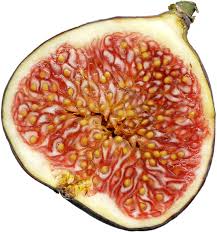 We are so excited about today’s Bon Appetit Wednesday. It marks the beginning of a series on the succulent fig. As we all know, there is nothing more exciting than a good fig recipe! Okay, now that may be a bit of an overstatement, but in all seriousness, these little ancient fruits are amazing. There are so many ways to use the fig, which have been filling the bellies of our ancestors for thousands of years. Because the fig has been around for so long and has had such an impact on history, we’re devoting more than one post to its story. So whet that appetite and enjoy the glorious tale of the fig.
  Tonight is the Punjabi Lohri festival. A celebration with ancient roots, it boasts numerous special foods. Today we’re bringing you a recipe for sarson da saag, a popular vegetable dish featuring mustard leaves and spices that is often eaten during the festivities.
 Each year the Middle East Outreach Council (MEOC) selects children’s and young adult books that best promote understanding of the Middle East. Shirley K. Gazsi, president of AntiquityNOW, serves on the selection committee. According to Gazsi, research is revealing how storytelling has an enormous effect on children’s world views and attitudes.
 Today’s recipe is for a Black Garlic Bruschetta. It is a fairly simple recipe, but its star ingredient is anything but. This week’s Bon Appetit Wednesday is bringing you not only a delicious dish, but an intriguing mystery as well.




 AntiquityNOW