
 For those of you who haven’t heard of einkorn wheat, you’re at least 9,500 years behind the curve. Einkorn is the world’s oldest cereal and “nature’s original wheat.”1
The Fertile Crescent in the Middle East is aptly known as the Cradle of Civilization, an area recognized for such innovations as glass manufacturing, writing and the wheel. It’s also where agriculture first began, and the first written recording in 7,500 BCE of einkorn being planted as a domesticated crop.
Einkorn flourished as a staple crop for centuries. It was hardy and could grow in poor soil, similar to other ancient grains such as smelt and emmer. Research shows that einkorn cultivation spread across the Middle East, Europe and into Russia. In fact, agriculture where grain production was central was one of the propelling forces that caused cities to form and great civilizations to grow as people became less nomadic. Over time einkorn evolved into a popular and versatile food that knew no social class. Even the pharaohs ate einkorn. However, during the Bronze Age einkorn production declined in favor of grains that were more prolific and easier to harvest. But a surprising twentieth century discovery revived interest in the wheat and put the grain at the center of a 5,300 year old cold case (to employ modern crime nomenclature and, as you will see, a shameless pun). Continue reading




 It’s National Hot Dog Month and we can’t wait to celebrate! Hot dogs seem like such a modern invention, but of course, AntiquityNOW is here to bring you the history. And while we’re at it, we’re going to educate you on the sport that elevates the hot dog to a whole new level: the eating contest.
 What would you do if you were just going about your business, doing your job and suddenly you discovered a piece of history? Recently, a man in Ireland was faced with that very situation. As he was cutting turf from a bog, to be burned for warmth, he happened upon a 22-pound chunk of bog butter that is estimated to be over 2,000 years old! Of course, if he had read our blog post about ancient butter, he would have known that finding ancient “bog butter” really isn’t that unusual. This 22-pounder joins other finds, including 3,000-year-old and even 5,000-year-old samples.
 Ramadan, the ninth month of the Islamic calendar, a month of prayer and fasting, began last week and ends on July 5th. If you are observing Ramadan, you know that planning the Iftar and Suhur meals is key. While Ramadan has ancient roots, today many households are mixing their modern habits into the month. Health is a top priority for many families. Perhaps this year you’re trying to be a bit healthier in your observance and plan meals that are delicious and nutritious. It is important for these meals to provide all of the nutrition you need for the long days of fasting. For a list of healthy ideas, check out
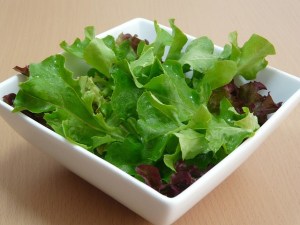 It’s National Salad Month! Time to break out those salad spinners, dicers, choppers, mincers and shredders and fix up a delicious ancient salad. With all of the focus on health and nutrition these days, you might assume that salads are a fairly modern creation, but you would be so wrong. Those wild and crazy ancient Romans were noshing on this chilled dish long ago. And so many of today’s delicious and nutritious salads are built on ancient ingredients. So, check out our compilation of ancient salads below, beginning with the granddaddy of them all, Columella, created in the first century CE!



 AntiquityNOW