L’Shanah Tovah![1] It is the first full day of Rosh Hashanah, the Jewish New Year, and Jews around the world are celebrating with introspection, prayers for renewal and food having meaning and symbolism for the holiday. Continue reading
Category Archives: Culture
Traditional Meets Modern: Celebrating the Food of Rosh Hashanah
Posted in Blog, Culinary, Culture, Holidays, Public Life, Religion
Tagged ancient history, AntiquityNOW, honey, Jewish New Year, Judaism, pomegranate, Rosh Hashanah
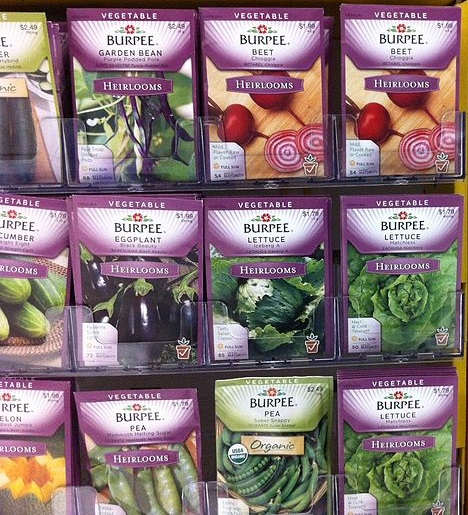
KIDS’ BLOG! Heirloom Seeds From Our Great-Great-Great-Great-Great (and many more!) Grandparents
Have you ever planted a seed and watched it grow into a plant? It’s an incredible feeling to see a tiny little seed turn into a fruit or a vegetable. Did you know that some of the seeds we use to grow our food today come from seeds harvested by cultures that existed thousands of years ago? These ancient seeds are called heirloom seeds and they’ve been passed down from generation to generation. They produce some of the most delicious fresh fruits and vegetables of all varieties. Continue reading
The History in our Language: Idioms from Ancient Times, Part 2
Some of our common English sayings have a very ancient past. As a follow-up to The History in our Language: Idioms from Ancient Times, Part 1, here is Part 2 of idioms with ancient roots. Continue reading
Posted in Blog, Communications, Culture, Public Life
Tagged ancient history, AntiquityNOW, Babylon, Belshazzar, Daniel, idioms, language, Pandora, Zeus
The History in our Language: Idioms from Ancient Times, Part 1
*Originally published on February 7, 2013, this is the first post in our Ancient Idioms series. Don’t miss Part 2 on Thursday!
It’s no secret that English is heavily influenced by Latin and Ancient Greek – especially if you’ve ever had to study vocab for the SATs – but it might surprise you to know that many of our current idioms have been around since ancient times. Idioms usually form based around the culture that speaks the language, yet the English language has several idioms that come from antiquity. They are a testament to how relevant history is to our lives today, and how we’re not so dissimilar to our ancient ancestors. Continue reading
Posted in Blog, Culture, Public Life
Tagged ancient history, AntiquityNOW, history, language
Ramadan Ends With Dishes That Celebrate the Heart of Palestinian Cuisine

Children perform in Jerusalem’s Old City during celebrations to mark the breaking of the fast on the seventh day of the holy month of Ramadan, on July 26, 2012. (Photo credit: AHMAD GHARABLI/AFP/GettyImages)
As Ramadan comes to a close, Muslims around the world are breaking their fasts and marking celebrations with family and friends. Ramadan is the 9th month of the Islamic calendar, although the dates change each year because the lunar and solar calendars are not exactly the same. The end of Ramadan occurs either 29 or 30 days from the beginning of the month, and is celebrated by the holiday of Eid ul-Fitr, where after morning prayers people exchange gifts, put up lights and decorations and feast on their favorite foods. The word Ramadan means scorching in Arabic and was designated as a Holy Month in honor of the Quran being revealed to the Prophet Muhammad in 610 CE. During Ramadan Muslims seek to purify themselves by forgoing material needs and focusing on spiritual devotion. They pray, read the Quran and carry out works of charity. Their self-denial of food and water helps them empathize with the less fortunate. Continue reading
Posted in Blog, Culinary, Culture, Public Life, Religion
Tagged ancient history, AntiquityNOW, Islam, Palestine, Ramadan
KIDS’ BLOG! Hot Fudge Sundae: A Dessert 5,000 Years in the Making
So how much do you like ice cream? Ice cream with hot fudge…ice cream with sprinkles…ice cream with gumdrops…there really are many varieties and toppings. Let’s see how these ice cream treats were invented, beginning 5,000 years ago in China! Continue reading
Posted in Culinary, Culture, Kids Blog, Kids: Culinary, Kids: Culture
Tagged ancient history, AntiquityNOW, candy China, gumdrops, hot fudge, ice cream, sprinkles, whipped cream
Heirloom Seeds: Growing a Piece of Ancient History
Ever been shopping in the produce section and seen a flashy display for “HEIRLOOM TOMATOES!” Wonder what’s so special about these tomatoes? The answer might surprise you. Heirloom fruits and vegetables are grown from seeds that reach all the way back to ancient times. Over the millennia, these seeds have taken on enormous value. Continue reading
Posted in Blog, Culinary, Culture, Public Life, Recreation
Tagged agriculture, ancient history, AntiquityNOW, domestication, gardening, heirloom seeds, Mesopotamia, Neolithic Revolution
Hot Fudge Sundae: A Dessert 5,000 Years in the Making
It’s July and the temperatures have been rising…and rising…and rising. How about forgetting the heat with a scrumptious hot fudge sundae? But before you dig in, let’s take a moment to appreciate the human ingenuity over five millenia that brought you the cooling cream and rich chocolate sauce of this very ancient confection. Continue reading
Posted in Blog, Culinary, Culture
Tagged ancient history, AntiquityNOW, Aztecs, chocolate, ice cream, Mayas, Mesoamerica, sundae, whipped cream
Ancient Graffiti: From Pompeii to Smyrna
We’ve talked a lot about ancient graffiti in our blog posts and it has always been about the ancient Roman city of Pompeii. In “Wall Posts: Putting Pompeii’s Political Graffiti in a Modern Context” we discussed how politicians campaigned using graffiti on the walls of wealthy homeowners and in “Super Bowl XLVII and the Superstars of Ancient Rome” we explained how people could find a favorite gladiator advertising olive oil or his latest fight on the walls of the city. Recently, an archaeological dig unearthed a collection of graffiti that may be even richer than that of Pompeii. Archaeologists working in the agora (ancient marketplace) of Izmir -or Greek Smyrna- found the “richest Greek graffiti collection in the world” dating back to the 2nd and 4th centuries A.D. Continue reading
Posted in Art, Blog, Communications, Culture, Public Life
Tagged agora, ancient history, AntiquityNOW, graffiti, Greek, Izmir, Pompeii, Smyrna
KIDS’ BLOG! Ancient People Loved Chewing Gum!
What is your favorite flavor of chewing gum? Whether it is spearmint, wintergreen, cinnamon or fruit flavored, chewing gum is one of the world’s most popular habits with nearly 100,000 tons consumed per year. Gum seems like a very modern invention with its fun flavors, colors and special additives for energy, fresh breath, teeth whitening and more. In fact, the oldest known piece of chewing gum dates back at least 5,000 years and was found by an archaeology student in Finland.[1] It was a simple lump of birch bark tar that experts believe was chewed by Neolithic people to heal mouth infections. Continue reading
Posted in Blog, Culinary, Culture, Kids Blog, Kids: Culinary, Kids: Culture, Kids: Public Life, Kids: Recreation, Public Life, Recreation
Tagged Ancient Greece, ancient history, AntiquityNOW, Aztecs, chewing gum, chicle, Finland, mastic, mastiche, Mayas, Wrigley