Tag Archives: AntiquityNOW

Get Ready for Easter with AntiquityNOW

Bell-shaped_flowers_-_Easter_LilyWhether you’re celebrating a religious holiday or vying to win the egg hunt, it’s important to know where our holidays come from and how ancient are the roots that bind us all together. Below you’ll find our previous posts about the history of Easter, its origins and its traditions.

Also, we’ve included two delicious recipes for Passover, which begins tomorrow and ends next Saturday, April 11th.

And, for a bit of fun, check out this beautiful slideshow of Easter eggs around the world, courtesy of the The Huffington Post. 

Have a wonderful weekend!

History of Easter

Passover Recipes:

Bon Appetit Wednesday! Ful Mudammas for Passover

5607910397_2b7201b372_bPassover begins this Friday evening, April 3rd, and if you haven’t finished planning your Seder, do not fear. We have a delicious recipe that is vegan, kosher and ancient. Ful Mudammas has a fascinating history.  It also boasts a wealth of nutrients that have sustained the ancient Israelites for thousands of years.

For a brief explanation of Passover and another savory Seder dish, see our blog post from last year, Bon Appetit Wednesday! Green Borscht With Matzah for a Multi-Cultural Passover. Continue reading

Yakety-Yak, How We Do Talk Back: The Hydraulic Telegraph of Aeneas – Long-distance Communication of Antiquity

communicationThrough the ages humans have sought to communicate with each other. On a primal level, language developed out of necessity:  “Sabre-toothed tiger…run!” or “Fire…ow!” served obvious purposes and were intended to preserve the species. Memorializing their lives was a common force driving early cultures, and communication took many forms. Lacking any type of writing, people relied on memory, oral histories, art, monuments and other elements to document who they were.  The ability to communicate and record contemporary times became more important as societies evolved and grew. The passing centuries brought the realization that in communicating with others, there were limitations to perfecting a memory, drawing pictures and shouting to the next village (hoarseness being a little known driver of human innovation). As a result, the 3rd – 4th centuries BCE found the Phoenicians creating an alphabet and the Sumerians devising cuneiform writing (pictographs on clay tablets). The Egyptians were also hard at work recording their life and times through hieroglyphics. Here’s a look at some other advances we take for granted today that are courtesy of our ever-chattering ancestors[1]: Continue reading

Strata: Portraits of Humanity, Episode 5, “Archaeology in 12 Minutes” and “Photographing the Invisible”

StrataImage-webEpisode 5 of the new documentary series Strata:  Portraits of Humanity, produced by AntiquityNOW’s partner, Archaeological Legacy Institute, is a two-part episode 1) illustrating the history of archaeology and 2) demonstrating one of the technologies used today to recover the amazing artistry of our ancestors. Continue reading

From Ancient Graffiti to Modern Street Art: Our Need for Self Expression Through Time

Maeshowe chambered cairn.

Maeshowe chambered cairn.

Update! This post was originally published on December 12, 2012. The post below explores humanity’s fascinating obsession with leaving our mark. Graffiti has been with us since before recorded history. It provides an incredible wealth of information about who we are as historical beings and where we’ve been. These ancient markings also cause us to reflect on the sweep of human endeavor and wonder what will remain of the 21st century that may intrigue, appall or inspire, much as ancient graffiti does today. Continue reading

Bon Appetit Wednesday! Ancient Roman Garlic Pesto (Moretum)

MoretumOur recipe this week is straight out of the pages of Roman literature. Moretum is a delicious spread similar to our pesto—and the Roman poet Virgil was apparently a big fan!

The word “moretum” is Latin and is usually translated as “salad,” but that’s not really an accurate translation.[1] It’s not a salad at all, at least not what we think of as salad in modern times. It’s a sort of spread or dip. Virgil is most often credited with the recipe. In his poem entitled “Moretum” he tells the story of Symilus, a peasant farmer, who is making his morning meal. He first makes the bread, but quickly realizes he has no meat to go along with the crusty creation. Concerned that man cannot survive on bread alone, he decides to make an accompaniment for his baked good. Virgil then describes the process by which Symilus makes his moretum. Both the bread and moretum-making are described in detail in the poem, but here is a little summary of the important moretum highlights, courtesy of Pass the Garum blog: Continue reading

#MuseumWeek on Twitter!

museum week logoIt’s #MuseumWeek on Twitter! All this week museums around the world are celebrating culture and cultural heritage by using specific hashtags in their Twitter posts to highlight different aspects of museums. You can get involved too! Each day has a different hashtag, so some days you’ll want to check out what museums are saying by following a particular hashtag, while other days you can use the hashtags yourself and post about your own museum experiences. Check out the chart below for the schedule and visit www.museumweek2015.org for more information. Click here to follow @museumweek. Continue reading

ISIS, Syria and the Eradication of Culture: As the Ancient World Falls, Efforts Mount to Save World Heritage

AN Forum

ISIS has reportedly bulldozed the ancient city of Nimrud.

ISIS has reportedly bulldozed the ancient city of Nimrud.

You’ve probably seen the reports of destruction coming out of the Middle East. You’ve certainly heard of ISIS and its reign of terror. The loss of life and the horrifying atrocities being committed against innocent people are splashed across every news network. But ISIS is doing more than taking individual lives. The group is bent on annihilating ancient culture and what it represents. This part of the news story may not have caught everyone’s eye, but it is a desperately important part of that story. Continue reading

Bon Appetit Wednesday! Celebrate Persian New Year with Kookoo Sabzi

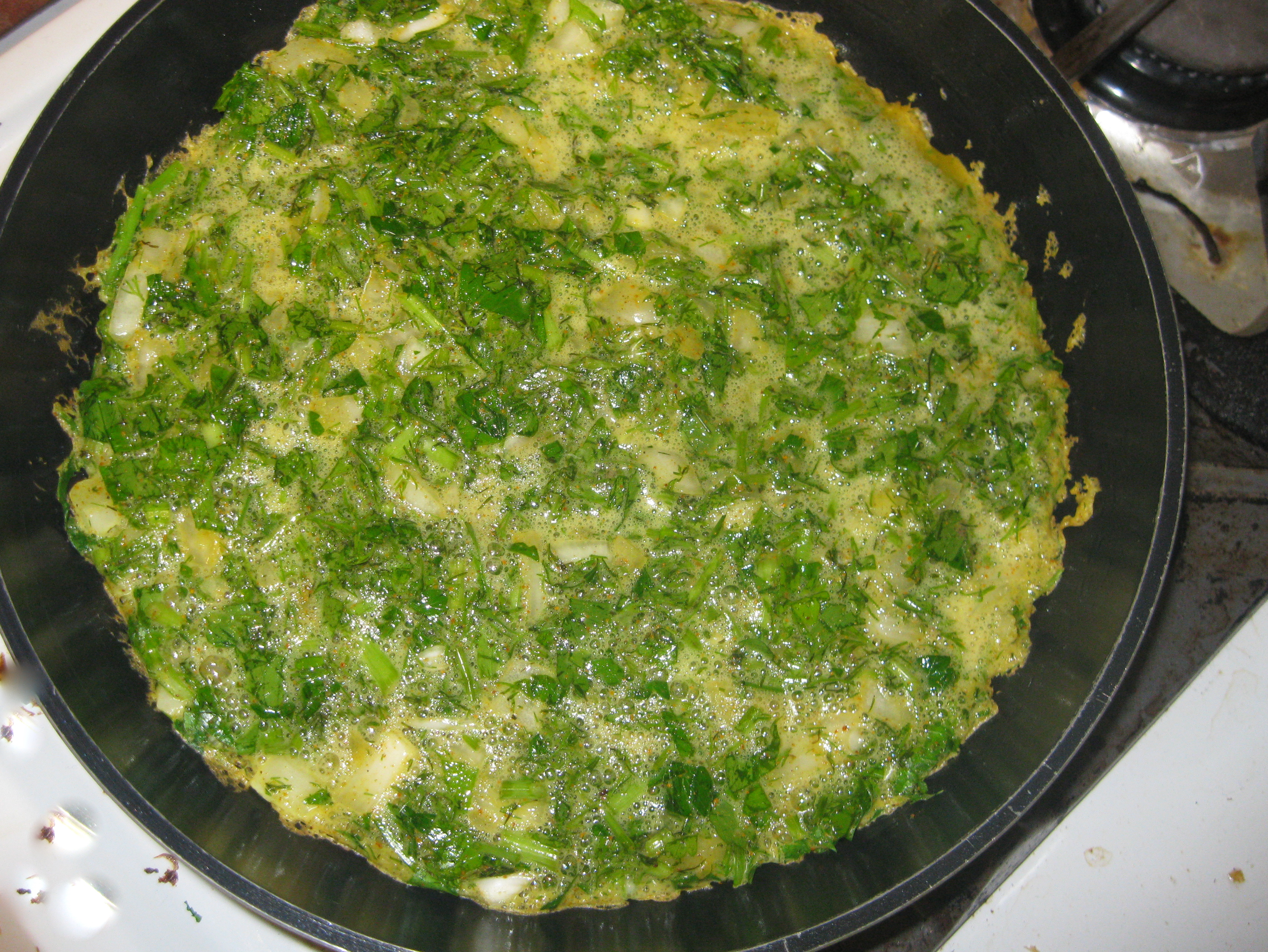
kookoo sabziThis week we’re bringing you a delicious recipe for Nowruz, the Persian New Year, which is this Saturday, March 21st. Last year we posted a recipe for Sabzi Polo Mahi along with a history of the holiday and the traditions behind it. Click here to read that complete post, but right now let’s do a quick recap before we jump right in to the recipe for Kookoo Sabzi, a traditional herbed omelet. Continue reading

Happy St. Patrick’s Day From AntiquityNOW!

st-patricks-day-clipart-2It’s time to put on your green and celebrate the Feast of St. Patrick! Whether you plan on traditional festivities harkening back to the original religious holiday of the 17th century, or you want to party USA style by enjoying some corned beef and cabbage and green beer, at Antiquity NOW we say, “Éirinn go Brách!” Here are some links to help you celebrate the green isle: Continue reading