
 There are so many ancient dishes and ingredients that we eat every day and never consider the long and storied histories behind them. That’s why AntiquityNOW makes an effort to reveal the fascinating pasts of the foods we love. Two of our favorite ancient foods are curry and turmeric. Now you can learn how to cook the world’s oldest curry, which features turmeric in its ingredient list. The curry was discovered in 2010 by two Washington State University archaeologists who “used starch analysis to trace the world’s first-known or ‘oldest’ proto-curry of aubergine, ginger and turmeric from a shard of pottery found in the ancient Harappan civilisation near modern-day Delhi.”[1]
Cooking up this ancient dish is a great activity for the family. Immerse yourself in the food of an ancient culture. But before you fire up the stove, check out our posts on curry and turmeric. Then watch the video below and get cooking!

[1] How to cook the world’s oldest curry – BBC News. (n.d.). Retrieved July 04, 2016, from http://www.bbc.com/news/world-asia-india-36585926

 What would you do if you were just going about your business, doing your job and suddenly you discovered a piece of history? Recently, a man in Ireland was faced with that very situation. As he was cutting turf from a bog, to be burned for warmth, he happened upon a 22-pound chunk of bog butter that is estimated to be over 2,000 years old! Of course, if he had read our blog post about ancient butter, he would have known that finding ancient “bog butter” really isn’t that unusual. This 22-pounder joins other finds, including 3,000-year-old and even 5,000-year-old samples.
 Ramadan, the ninth month of the Islamic calendar, a month of prayer and fasting, began last week and ends on July 5th. If you are observing Ramadan, you know that planning the Iftar and Suhur meals is key. While Ramadan has ancient roots, today many households are mixing their modern habits into the month. Health is a top priority for many families. Perhaps this year you’re trying to be a bit healthier in your observance and plan meals that are delicious and nutritious. It is important for these meals to provide all of the nutrition you need for the long days of fasting. For a list of healthy ideas, check out
  In the northern hemisphere, the first day of summer is rapidly approaching as the mercury climbs up the thermometer. The search is on for the most refreshing summer recipes to tickle your taste buds at cookouts, pool parties and sunny brunches. One fruit that is sure to put you in the summer spirit is honeydew melon. Bursting with flavor, this melon is versatile, delicious and ancient. Today we’re bringing you some juicy facts about the honeydew, along with a recipe that utilizes another of our favorite ancient ingredients, kefir (Don’t miss our
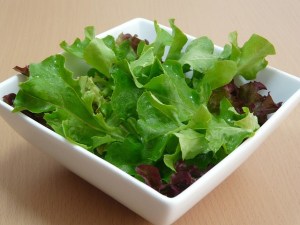 It’s National Salad Month! Time to break out those salad spinners, dicers, choppers, mincers and shredders and fix up a delicious ancient salad. With all of the focus on health and nutrition these days, you might assume that salads are a fairly modern creation, but you would be so wrong. Those wild and crazy ancient Romans were noshing on this chilled dish long ago. And so many of today’s delicious and nutritious salads are built on ancient ingredients. So, check out our compilation of ancient salads below, beginning with the granddaddy of them all, Columella, created in the first century CE!
 Ah, Paris in spring. What could be more glorious? Strolling the boulevards abloom with horse chestnut trees. Taking a boat ride down the Seine. Climbing to the top of the Eiffel Tower or gazing rapturously at the Mona …. Wait a minute. What’s that delectable aroma? What are those people consuming with such gusto? Yes! Regard the street vendor deftly creating that culinary perfection. Lo and behold, it’s the inimitable crepe!




 AntiquityNOW