Category Archives: Public Life

Happy 2015! Here Are Your Free Gifts From AntiquityNOW!

We hope your holidays were joyous and accompanied by good cheer, good company and good food. We wanted to make sure that in the midst of all the holiday celebration you received your free gifts from AntiquityNOW. Just click on the links below.

2014 Recipes With a PastRecipes 2104 Ebook FINAL

Enjoy our e-cookbook with delectable recipes from our Bon Appetit Wednesday! blog posts. Each recipe includes a brief explanation of the food’s ancient origins—with many surprises sure to tickle the imagination along with the palate.

Education Topic Matrix

BlankMap-World darkNew this year! AntiquityNOW has a variety of free content to supplement the classroom curricula, all organized by region/era and including fun facts, educational projects, videos, lessons and more showing how ancient lives continue to influence us today.  Who knew the first computer was built more than 2,000 years ago in Greece? That bubble gum was discovered from 3,000 BCE in Finland? Or that the ballgame was created in Mesopotamia in 1400 BCE? We knew because at AntiquityNOW we love to make those eye-popping, jaw-dropping connections. As we like to say, “The past is not as distant as you may think.” Like what you see?  Let us showcase your best ideas revealing how past and modern times intersect. Please go to “Submit Work.”

Bookmarks

Bookmark single image high resWe’ve added more bookmarks, including for the two projects above, to download for you archaeologists, teachers, students, cultural preservationists, puzzle aficionados, Trivial Pursuit enthusiasts and historical gadflies everywhere.

**************

Join us in cherishing and preserving our global heritage. Contact us at info@antiquitynow.org to learn how. Let’s make 2015 a year to remember.

**************


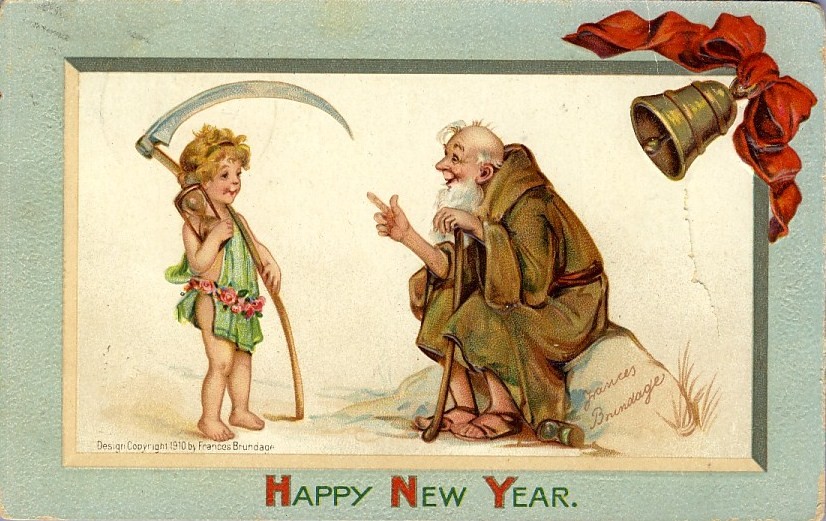
Happy New Year from AntiquityNOW!

PostcardHappyNewYearOldManKidScytheHourglass1910

Antique Postcard, 1910 by Frances Brundage

WE WISH YOU A PEACEFUL, PROSPEROUS AND JOYFUL NEW YEAR!


Take a look back at our New Year’s posts to learn more about the history and food of this holiday!

Bon Appetit Wednesday! Celebrate New Year’s With the Bountiful Grape—Here’s to Luck, Liberty and a Long Life to All

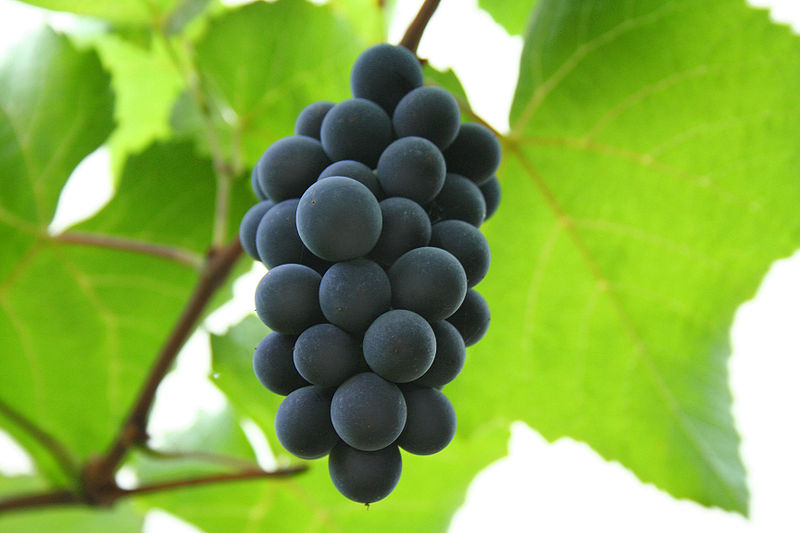
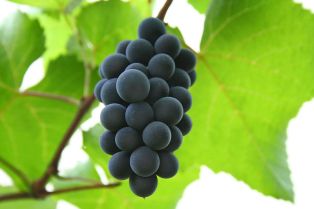
800px-Hungarian_red_grape_IsabelleThe sweet, succulent grape. It’s a fruit that has found its way into cultures around the world. Its cultivation goes all the way back to the Neolithic era (6,000-6500 BCE). Over the next centuries its production spread from the Caucasians to Asia Minor and to the Nile Delta through the Fertile Crescent. It became an important product for consumption, sale and trade in ancient times, as evidenced by the Code of Hammurabi (c. 1700 BCE), which decreed how wine was to be sold in Mesopotamia.[1] (Interestingly, women were allowed to own property and sell wine, so much of the code refers to female vendors.) The Greeks, Phoenicians and Romans extolled the glories of the grape in action, song and verse throughout the known world. By the fall of the Roman Empire the grape was firmly entrenched and the rise of the Christian church allowed a new stream of wine production through thousands of monasteries. As the centuries unfolded wine became a mainstay for cultural and religious reasons and as well in places and times where potable water was absent. Today wine production is a worldwide industry with oenophiles and simple indulgers offered a vast array of tastes, aromas and textures. Moreover, according to the Mediterranean Diet, the grape, particularly as distilled in wine, provides various health benefits, particularly through resveratrol, which is a compound that provides antioxidant and anti-inflammatory benefits. Some, in fact, tout its heart-healthy properties as natural life extenders. Continue reading

Happy Kwanzaa from AntiquityNOW

kwanzaa copyThe name “Kwanzaa” comes from the Swahili phrase “matunda ya kwanza”, which means “first fruits.” Though the holiday wasn’t created until 1965, it has ties to the first fruits celebrations throughout ancient Africa. In fact, Dr. Maulana Karenga, the professor who created Kwanzaa, researched the festivals of several African cultures such as the Ashanti and Zulu in order to “form the basis of Kwanzaa.”[1] Continue reading

Merry Christmas from AntiquityNOW

old-christmas-card-hirez (1)The image above is one of the oldest mass produced Christmas cards. Published in England in 1843, approximately 1,000 copies were originally made, but only ten have survived in modern times. It was a scandal in Victorian England because it features a child drinking wine.[1]

Here’s hoping your holidays will be devoid of scandal and filled with feasting, family and friends!

Click here to learn more about this card and visit our posts below to discover some ancient connections to the holiday season.


[1] World’s oldest mass-produced Christmas card in SMU collection. (n.d.). Retrieved December 14, 2014, from http://www.smu.edu/News/NewsIssues/OldestChristmasCard

Strata: Portraits of Humanity, Episode 2, “Metalla Oiassonis: Roman Mining in Northern Spain”

StrataImage-webWe are pleased to bring you “Metalla Oiassonis:  Roman Mining in Northern Spain,” which is Episode 2 of the new documentary series Strata:  Portraits of Humanity, produced by AntiquityNOW’s partner, Archaeological Legacy Institute.

“Metalla Oiassonis” is a film by Felix Ugarte Elkartea of Spain that introduces us to the complex world of ancient mining that the Romans developed at the ancient port city of Oiasso. Oiasso is situated within the modern city named Irun in Spanish and Gipuzkoa in Basque, which is located in Spain near the French border.  In the western foothills of the Pyrenees next to the Bay of Biscay stands the granite massif called Aiako Harria in Basque and Peñas de Aya in Spanish.  On these slopes one of the chief mining centers of the Iberian Peninsula lasted until modern times. Continue reading

2014 Recipes With a Past and the Art of Being Human

Recipes 2104 Ebook FINALAntiquityNOW is pleased to announce the launch of the 2014 Recipes With a Past, a compendium of dishes derived from our weekly Bon Appetit Wednesday! blog posts.  Embracing more than 25 countries and cuisines, this e-book has two new designations for this year’s menus:  gluten-free and vegan. Meals in Recipes With a Past are taken from historical recipes or are modern repasts that include ingredients with roots in antiquity. Continue reading

Bon Appetit Wednesday! Hot Spiced Apple Cider

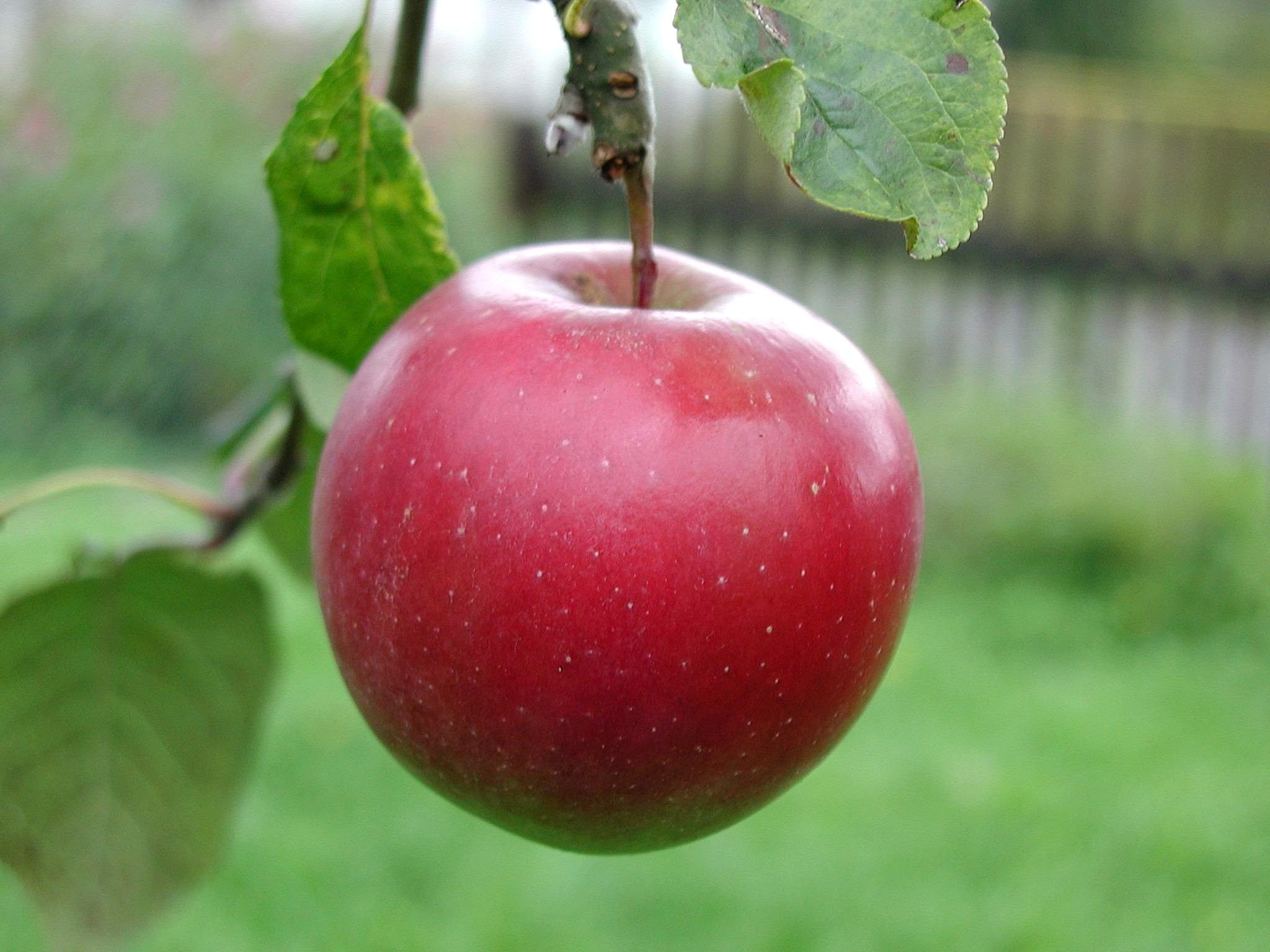
Big_red_appleThis time of year there’s nothing better than cozying up in front of the fireplace and enjoying a comforting mug of hot mulled apple cider. You can feel the warmth and cheer spread through your bones as the spices mix to make the perfect holiday drink. Continue reading

Maps, Part 3: Defining and Explaining our Past, Present and Future

"Gaia spacecraft" by ESA–D. Ducros, 2013

“Gaia spacecraft” by ESA–D. Ducros, 2013

In Parts 1 and 2 of Maps: Defining and Explaining our Past, Present and Future, we explored how the ancients mapped the heavens and how modern space programs capture data today. Amazingly adept we humans have been at duality, both mythologizing and demystifying the worlds around us through time. As we calculate and calibrate and chronicle, we push the boundaries of our known existences and challenge ourselves to see where the impossible can become the possible. Take a look at the Gaia Probe that will map out the Milky Way using a billion pixel camera and two telescopes. The Milky Way was the stuff of dreams for millennia. Now the Milky Way will be rendered with a precision that boggles the mind and unlocks the mysteries that have intrigued the human imagination for centuries. Continue reading

Image

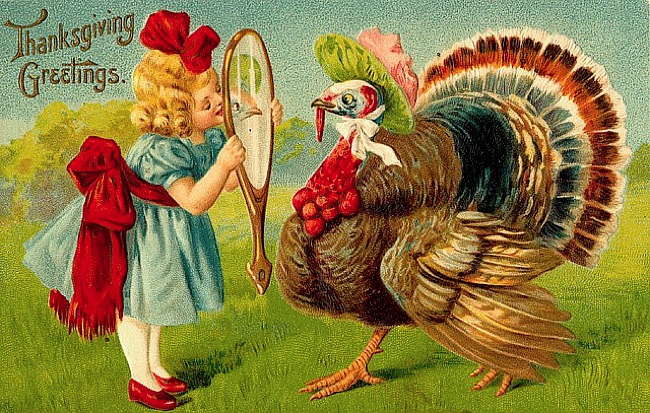
Happy Thanksgiving from AntiquityNOW!

happy thanksgiving

In between feasting and football, check out our previous posts on Thanksgiving and the foods we enjoy on this holiday!