Category Archives: Science and Technology

Ancient Dentistry Part 1: Drills, Gemstones and Toothpaste!

dentistry-316945_640 (1)We all cringe at the thought of going to the dentist — and that’s with the comfortable recliners, the soothing music, the anesthetics and analgesics. Imagine what a visit to the dentist must have been like thousands of years ago.

In modern-day Pakistan, where the earliest evidence of dentistry has been found, Stone Age dentists were wielding drills made of flint. Nine-thousand-year-old teeth found at a Neolithic graveyard showed clear signs of drilling, but also signs that rotting gum tissue had been removed, leading researchers to consider the crude drills “surprisingly effective.”[1]

In fact, in a 2006 article for the journal Nature, researchers wrote about the “perfect,” “amazing” holes those flint drills had made.[2] The holes were about one-seventh of an inch deep, except in one case where the dentist had managed to drill a hole in the inside back end of a tooth, boring out toward the front of the mouth.[3] There is no evidence of dental fillings; however, at least one researcher believes some sort of “tarlike material or soft vegetable matter” may have been placed inside the holes.[4] Unfortunately for those early patients, it’s unlikely that the dentists used any kind of anesthetic. Continue reading

KIDS’ BLOG! Rain, Rain Go Away: Ancient Weather, Modern Predictions

hurricane

Update! This post was originally published on June 25, 2013. Hurricane season 2014 has been pretty quiet so far, but you never know when a tiny little storm system can gain momentum and become a full-fledged hurricane. Ancient civilizations had to face threats from weather just like we do today, but they didn’t have the amazing technology we have that can track and predict storms. Read our post and learn more about ancient weather and take advantage of our all new activities after the post! Continue reading

AntiquityNOW Celebrates Shark Week!

Strong, agile, mysterious, beautiful, ancient. Sharks have embodied our terrors and captured our imaginations for thousands of years. Today we celebrate and study sharks, even dedicating an entire week of television and social media to these denizens of the deep. Before popular culture caught on to the shark frenzy, however, ancient civilizations revered, respected, feared and even worshipped the shark. Below you’ll find a collection of images showing how some long ago cultures represented this iconic creature.

This slideshow requires JavaScript.

KIDS’ BLOG! Seeing Ancient Invisible Ink Through Modern Eyes

Image by Noel Hidalgo Tan, Antiquity Publications.

Image by Noel Hidalgo Tan, Antiquity Publications.

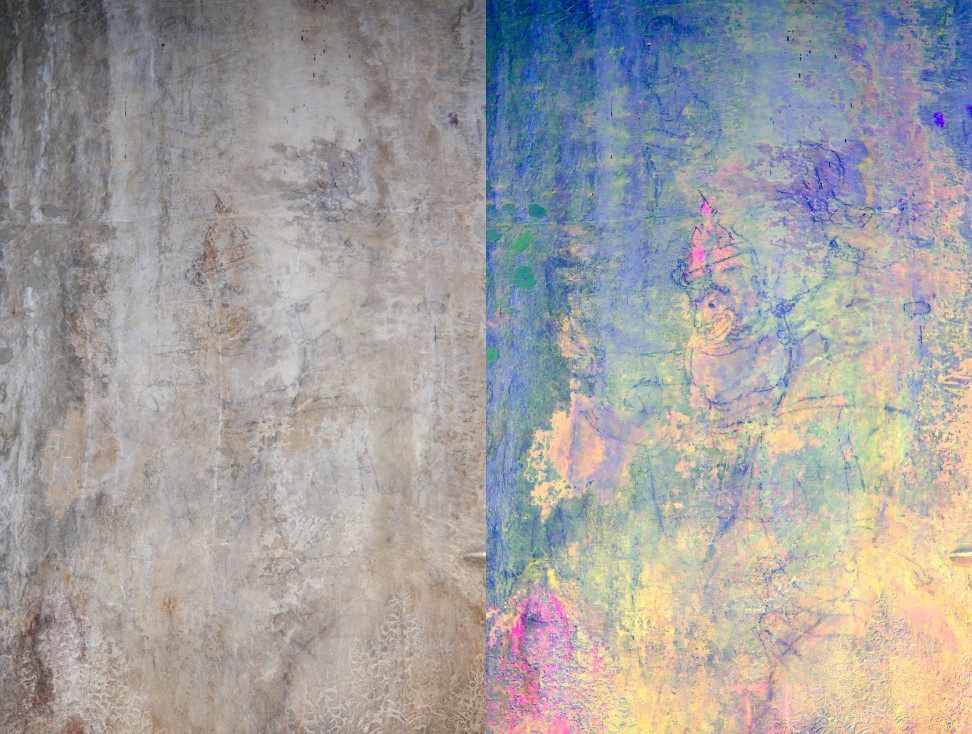
Invisible ink, such a simple and yet crafty way to keep secrets. You may know that it was used in wars such as the American Civil War, the American Revolutionary War and both World Wars, but did you know it was being used thousands of years ago by ancient civilizations? In the first century AD, Pliny the Elder wrote in his Natural History, an early encyclopedia, about how the milk of the tithymallus plant could be adapted as an invisible ink. Ovid spoke about secret ink in his Art of Love. Ahmed Qalqashandi, a medieval Egyptian writer and mathematician, described several types of invisible ink.[1] And recently an article published in LiveScience explored a startling new discovery at Cambodia’s famous Angkor Wat temple regarding invisible ink.[2] Ancient invisible ink didn’t always start out as invisible and in this case the ancient artists probably had no idea that their stunning works would one day be hidden to the naked eye. Continue reading

Bon Appetit Wednesday! Bottle the Taste of Summer with Dandelion Wine

Dandelion_sunIt’s the height of summer in the northern hemisphere where the lazy sun brings us long, hot days of outdoor activities, friends and family, vacations and lots of relaxation. Today it’s just a weed, but once upon a time nothing said summer like the dandelion and the year’s first batch of dandelion wine. Nowadays, we fight these plants to keep them from invading our perfectly manicured summer lawns, but these tiny pieces of sunshine have been valued by many civilizations since ancient times. This week we’re bringing you a recipe for dandelion wine so you can bottle your own bit of sunshine. But first, let’s find out why the dandelion has been so popular through history and how it lost its status in our modern society. Continue reading

Ramadan Observance and the World Cup: A Major Decision for Muslim Athletes

soccer ramadan copyRamadan, the Muslim month of fasting that is one of the Five Pillars of Islam, begins this Saturday, June 28th. Adult Muslims are required to abstain from food, drink and sexual relations during the daylight hours and instead use the time to refocus their minds and spirits on God while practicing self-sacrifice. This is an extremely daunting task for most people, especially in today’s society where instant gratification is ferociously embraced.  However, for modern Muslim athletes, Ramadan poses an especially large challenge. With major international sporting events taking place such as the World Cup this year and the Summer Olympics in other years, how do the devout observe the month while maintaining such a high level of physical activity? Continue reading

The Summer Solstice: From Ancient Celebration to a Modern Day at the Beach

Earth-lighting-summer-solstice_ENSaturday, June 21st, marks the summer solstice in the northern hemisphere and that means the first day of summer! For many, it’s time for barbecues, pool parties, camping trips and vacations at the beach, but for some, the solstice is a much more spiritual day steeped in ancient traditions. How did our ancestors celebrate this first day of the warm season? Continue reading

Foodborne Illness: The History of an Invisible Enemy

The history of foodborne illness is as complex and tortuous as the history of eating. Since the very beginning, foodborne illness has been a perpetual hitchhiker in our journey with food. With every human advancement in eating and acquiring food, foodborne illness has been ready with a challenge, finding new ways to survive in changing environments. Bacteria’s tenacious flagella have withstood numerous developments in our diet and continue to plague our lives today.

 IN THE BEGINNING

Humans discover fire.

Humans discover fire.

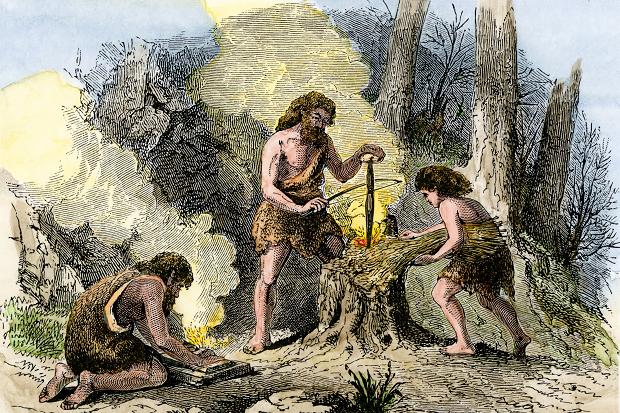
The food rules for early man were simple: eat what you can get. Lacking discerning palettes, these opportunistic hunters were most likely consuming contaminated meat, poisonous mushrooms and indigestible grains. The meat from abandoned carcasses? On the menu. The sickest, weakest animals? A quick and easy appetizer. The variety of microbial fauna they frequently ingested has been preserved for posterity in the form of coprolites (fossilized feces). These generous deposits give us a glimpse of their diet as well as the pathogenic organisms therein.[1] Continue reading

Echoes of History: The Incredible Sound Effects of Malta’s Hypogeum Hal Saflieni

1000797_387153258051209_2093229143_n

This is our second blog with our educational partner Ancient Origins for our Science Fiction section.  Yes, we’re using science fiction rather broadly in this case, but in this offering by Ancient Origins you’ll see how the unknown conjures up theories of acoustical mind control that are fascinating for the fact that they could very possibly be true.  Archaeoacoustics is the study of sound in ancient space, and in this blog about the underground prehistoric temple of Hypogeum of Hal Saflieni you’ll find mind-boggling examples of auditory ingenuity.  So let’s go spelunking and hear the captivating sounds of ancient lives. Continue reading

Science Fiction or Just a Matter of Time? Time Travel From Ancient Mythology to Modern Science

773px-Brown,r_time_macine60

What would it be like to travel back in time? To travel forward in time?  Remember H. G. Wells’ science fiction novella,The Time Machine,published in 1895? The book has been quite popular for more than a century and has even been made into movies.  But as you will see, there are many stories across cultures of time travelers. What is so fascinating about this concept? Continue reading