
 The name “Kwanzaa” comes from the Swahili phrase “matunda ya kwanza”, which means “first fruits.” Though the holiday wasn’t created until 1965, it has ties to the first fruits celebrations throughout ancient Africa. In fact, Dr. Maulana Karenga, the professor who created Kwanzaa, researched the festivals of several African cultures such as the Ashanti and Zulu in order to “form the basis of Kwanzaa.”[1] Continue reading
Happy Kwanzaa from AntiquityNOW
Posted in Blog, Culture, Holidays, Public Life, Religion
Tagged ancient harvest, ancient holidays, AntiquityNOW, aparche, Dr. Maulana Karenga, first fruits, harvest celebration, Kwanzaa, Swahili
Merry Christmas from AntiquityNOW
 The image above is one of the oldest mass produced Christmas cards. Published in England in 1843, approximately 1,000 copies were originally made, but only ten have survived in modern times. It was a scandal in Victorian England because it features a child drinking wine.[1]
Here’s hoping your holidays will be devoid of scandal and filled with feasting, family and friends!
Click here to learn more about this card and visit our posts below to discover some ancient connections to the holiday season.
- The History of the Holiday Evergreen
- Merry Christmas! The History—and Neuroscience—of Christmas Caroling
- The Pagan Origins of Christmas
- Bon Appetit Wednesday! Hot Spiced Apple Cider
- Bon Appetit Wednesday! Slow-Cooked, Mustard-Crusted Pork Loin
- Bon Appetit Wednesday! St. Nicholas or Santa Claus? A Cookie Is Still As Sweet….
[1] World’s oldest mass-produced Christmas card in SMU collection. (n.d.). Retrieved December 14, 2014, from http://www.smu.edu/News/NewsIssues/OldestChristmasCard
Posted in Blog, Communications, Culture, Holidays, Public Life
Tagged ancient history, AntiquityNOW, Christmas, Christmas cards, history of Christmas cards
Bon Appetit Wednesday! Now Bring us Our Christmas Pudding!
Now bring us some figgy pudding
Now bring us some figgy pudding
Now bring us some figgy pudding
And bring some out here.
–We Wish You a Merry Christmas
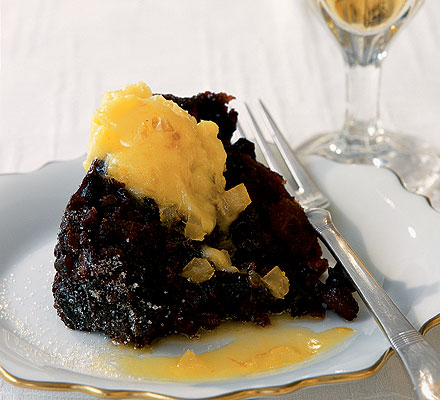
The carolers of 16th century England knew how important Christmas pudding was during the holiday season (figgy pudding was one variation). Most cherished in England, this pudding still remains the traditional end to the Christmas feast in many households today. However, Christmas pudding has changed quite a bit from its initial incarnation and has origins that might surprise you. Continue reading
Strata: Portraits of Humanity, Episode 2, “Metalla Oiassonis: Roman Mining in Northern Spain”
 We are pleased to bring you “Metalla Oiassonis: Roman Mining in Northern Spain,” which is Episode 2 of the new documentary series Strata: Portraits of Humanity, produced by AntiquityNOW’s partner, Archaeological Legacy Institute.
“Metalla Oiassonis” is a film by Felix Ugarte Elkartea of Spain that introduces us to the complex world of ancient mining that the Romans developed at the ancient port city of Oiasso. Oiasso is situated within the modern city named Irun in Spanish and Gipuzkoa in Basque, which is located in Spain near the French border. In the western foothills of the Pyrenees next to the Bay of Biscay stands the granite massif called Aiako Harria in Basque and Peñas de Aya in Spanish. On these slopes one of the chief mining centers of the Iberian Peninsula lasted until modern times. Continue reading
2014 Recipes With a Past and the Art of Being Human
 AntiquityNOW is pleased to announce the launch of the 2014 Recipes With a Past, a compendium of dishes derived from our weekly Bon Appetit Wednesday! blog posts. Embracing more than 25 countries and cuisines, this e-book has two new designations for this year’s menus: gluten-free and vegan. Meals in Recipes With a Past are taken from historical recipes or are modern repasts that include ingredients with roots in antiquity. Continue reading
Bon Appetit Wednesday! Celebrating a Sephardic Hanukkah with Sfenj
 In our Bon Appetit Wednesday! post for Rosh Hashanah this year we told you about the ways in which recipes and traditions for the Jewish New Year have been influenced heavily by the cultures in which they are celebrated. A Jewish family celebrating in France may eat an entirely different meal than those celebrating in India. One of the influences we discussed comes from the Sephardic foods enjoyed by Jews residing in North Africa. Today, there are Jews all over the world whose religious feasts, including those at Hanukkah feature the flavors of places like Morocco rather than more typical dishes such as latkes. Many of these families identify with both Sephardic (Spanish and North African Jews) and Ashkenazic (primarily Eastern European Jews) Jewish traditions. Their foods and traditions are a beautiful mix of cultures. Click here to read more about Jewish ethnic diversity. Continue reading
Posted in Blog, Bon Appetit Wednesday, Culinary, Culture
Tagged ancient history, ancient recipes, AntiquityNOW, Bon Appetit Wednesday, Hanukkah, moroccan doughnuts, Sephardic, sfenj
The Middle East Outreach Council Announces 2014 Middle East Book Awards
 Below find a press release from the Middle East Outreach Council announcing the Middle East Book Awards. Our president, Shirley Gazsi, had the honor of serving on the judging committee. These creative, moving, educational books can be found on our Reading List page where you can also find the 2013 MEOC award selections. Continue reading
Looking Back on the Winners of LegacyQuest 2014 and Looking Forward to LegacyQuest 2015

Letter of Intent Deadline– December 12, 2014
(Please contact us at info@antiquitynow.org if you need an extension)
Final Entry Submission Deadline– February 27, 2015
There’s still plenty of time before final video submissions on February 27. Contact us at info@antiquitynow.org if you need an extension on the Letter of Intent that provides a brief description of your project. Don’t miss out on the opportunity to be a part of this exciting and enriching experience.
In honor of the upcoming 2015 festival, we’re taking a look back at the winners of the 2014 festival. Click here to view all of the 2014 films and visit our LegacyQuest page for details on how to get involved. Scroll down to enjoy the inspired work of last year’s winners and see antiquity in a whole new light! Continue reading
Posted in Blog, LegacyQuest
Tagged ancient history, AntiquityNOW, film festival, LegacyQuest, middle school, social studies, The Archaeology Channel
Bon Appetit Wednesday! Hot Spiced Apple Cider
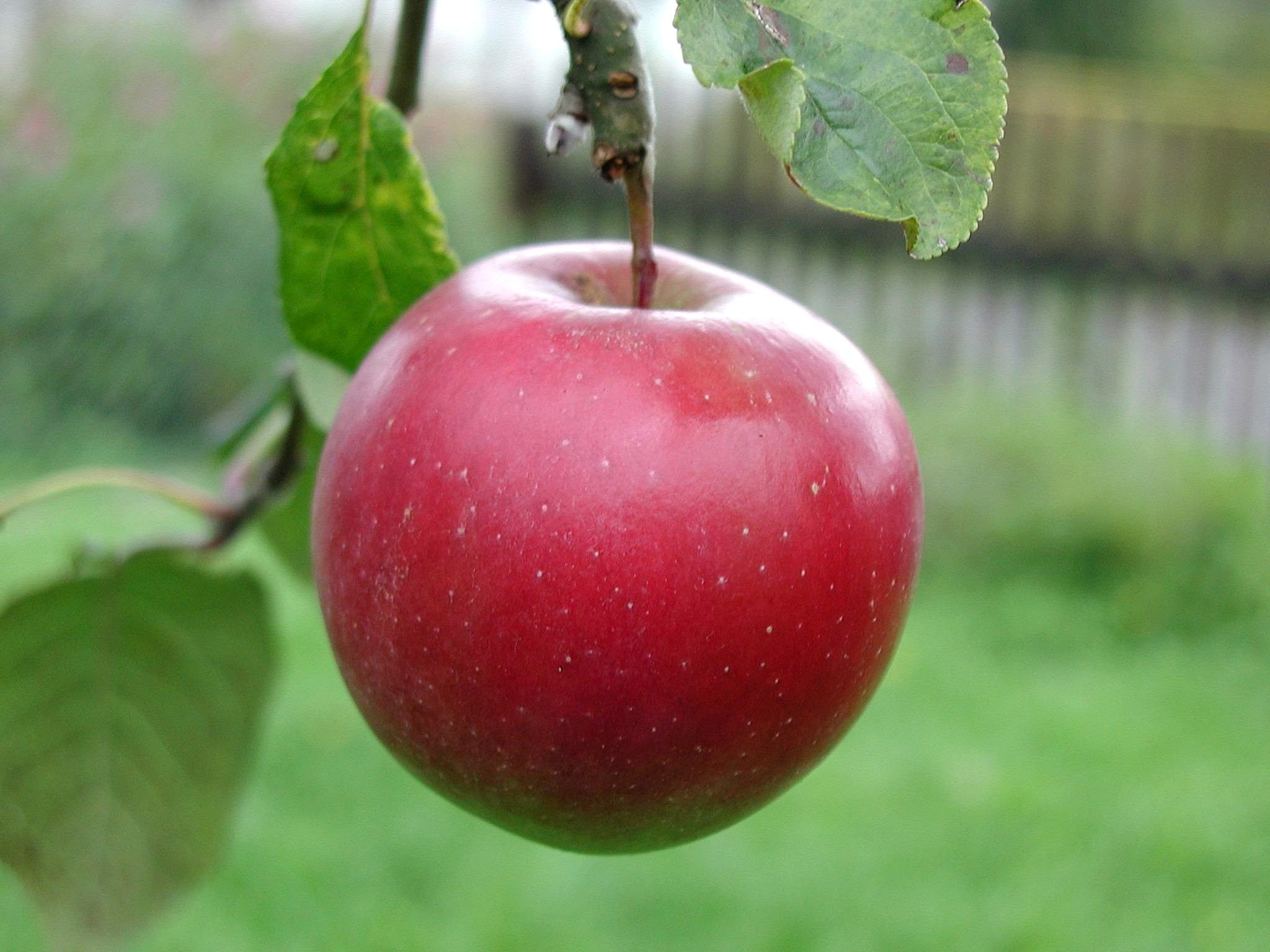 This time of year there’s nothing better than cozying up in front of the fireplace and enjoying a comforting mug of hot mulled apple cider. You can feel the warmth and cheer spread through your bones as the spices mix to make the perfect holiday drink. Continue reading
Maps, Part 3: Defining and Explaining our Past, Present and Future

“Gaia spacecraft” by ESA–D. Ducros, 2013
In Parts 1 and 2 of Maps: Defining and Explaining our Past, Present and Future, we explored how the ancients mapped the heavens and how modern space programs capture data today. Amazingly adept we humans have been at duality, both mythologizing and demystifying the worlds around us through time. As we calculate and calibrate and chronicle, we push the boundaries of our known existences and challenge ourselves to see where the impossible can become the possible. Take a look at the Gaia Probe that will map out the Milky Way using a billion pixel camera and two telescopes. The Milky Way was the stuff of dreams for millennia. Now the Milky Way will be rendered with a precision that boggles the mind and unlocks the mysteries that have intrigued the human imagination for centuries. Continue reading




 AntiquityNOW