
 Happy Valentine’s Day from AntiquityNOW! Check out the links below to put an ancient spin on this day of love.
- 5 Ways to Celebrate an Ancient Valentine’s Day, Courtesy of AntiquityNOW
- Happy Valentine’s Day! The Power of Love (Pssst—It’s All in the Eyes and Nose)
- It’s the Power of Love: St. Valentine and the Romantic Brain
- Bon Appetit Wednesday! Ancient Thai Rose Salad
- The Rose in History: Power, Beauty and the Sweet Smell of Success

 In preparation for Valentine’s Day, today we are celebrating the rose. You may not think of the rose as a food, but we assure you it is an ancient culinary treat. In fact, the rose has been cultivated since ancient times as a source of food, medicine and for perfume. In some cultures, rose gardens were considered important croplands, much like orchards.
 It’s Mardi Gras time! Break out the beads and get ready to party. But first, enrich your festival experience by learning about the history of the holiday in our blog post,
  Last week we told you a bit about the prehistoric history of the fig and how it spread to Greece and Rome, where it became a major dietary staple. This week we’re exploring more about the fig itself and as well bringing you a recipe for Greek fig cakes, called Sykomaitha. Just as figs have some unexpected palate-tickling qualities, these sweet little cakes up the deliciousness factor with a delightful surprise ingredient.
 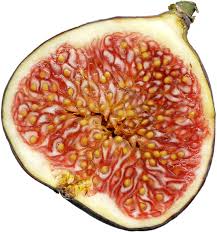 We are so excited about today’s Bon Appetit Wednesday. It marks the beginning of a series on the succulent fig. As we all know, there is nothing more exciting than a good fig recipe! Okay, now that may be a bit of an overstatement, but in all seriousness, these little ancient fruits are amazing. There are so many ways to use the fig, which have been filling the bellies of our ancestors for thousands of years. Because the fig has been around for so long and has had such an impact on history, we’re devoting more than one post to its story. So whet that appetite and enjoy the glorious tale of the fig.
  Tonight is the Punjabi Lohri festival. A celebration with ancient roots, it boasts numerous special foods. Today we’re bringing you a recipe for sarson da saag, a popular vegetable dish featuring mustard leaves and spices that is often eaten during the festivities.
 Each year the Middle East Outreach Council (MEOC) selects children’s and young adult books that best promote understanding of the Middle East. Shirley K. Gazsi, president of AntiquityNOW, serves on the selection committee. According to Gazsi, research is revealing how storytelling has an enormous effect on children’s world views and attitudes.
 Today’s recipe is for a Black Garlic Bruschetta. It is a fairly simple recipe, but its star ingredient is anything but. This week’s Bon Appetit Wednesday is bringing you not only a delicious dish, but an intriguing mystery as well.




 AntiquityNOW