
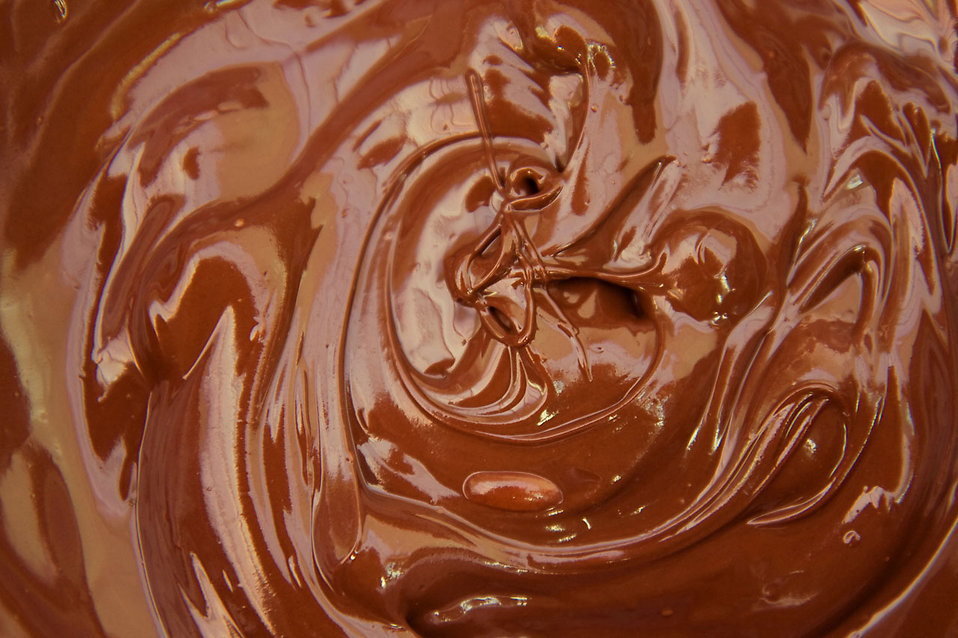
 Miss a chance to celebrate chocolate? Not at AntiquityNOW! It’s National Chocolate Lovers Month and we’re bringing you all of our chocolatey content in one decadent post. Humans have been chocoholics for thousands of years. Even our ancestors knew that sometimes all you need after a tough day is the taste of the velvety concoction. Click on the links below to learn about the ancient history of chocolate and to enjoy recipes inspired by chocolate’s unique and delicious past. Scroll down to find an adventurous and unexpected recipe for Chocolate Chicken. With all of these fantastic recipes, you can observe this holiday by serving chocolate for every meal! Continue reading
Tag Archives: AntiquityNOW
Bon Appetit Wednesday! National Chocolate Lovers Month
Mapping Cultural Heritage in Danger

St. Elijah’s Monastery in Iraq. The oldest Christian monastery in Iraq, recently destroyed by ISIS.
In our post series “Maps: Defining and Explaining our Past, Present and Future,” we discuss how important maps can be in helping us to visualize and understand where we’ve been and where we’re going. Today, maps are helping us to keep track of our vanishing past. Sadly, every day we are losing pieces of our history. Specifically, the cradle of civilization is being systematically destroyed. The Antiquities Coalition has taken action and created the Culture Under Threat Map, “which tracks instances of deliberate targeting of cultural heritage for destruction in the Middle East and North Africa.”
According to the Antiquities Coalition website: Continue reading
Bon Appetit Wednesday! Cabbage Soup for National Cabbage Day
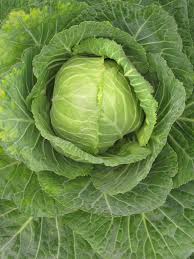 Did you know that today is National Cabbage Day? With its long and rich history, this leafy vegetable certainly deserves its own holiday. So today we’re bringing you a recipe for a cabbage soup that will keep you warm through the end of winter. As well, we’ll explore the healing properties of this ancient and ubiquitous food.
Cabbage is believed to have originated in the eastern Mediterranean and Asia Minor, but it is unclear as to how it made its way into Europe. One clue is in its name. It is a member of the Brassica family, which includes other veggies such as broccoli, cauliflower and kale. The Latin “Brassica” was influenced by the Celtic word “bresic,” which means cabbage. It is for this reason some say the Celts were responsible for bringing cabbage to prominence as a food. The Celts began invading the Mediterranean around 600 BC, so it is probable that they picked cabbage up on their journeys and brought it with them throughout Europe.[1] The other theory is that the Romans introduced cabbage to Europe. Continue reading
Have a Historic Valentine’s Day!
 Happy Valentine’s Day from AntiquityNOW! Check out the links below to put an ancient spin on this day of love.
- 5 Ways to Celebrate an Ancient Valentine’s Day, Courtesy of AntiquityNOW
- Happy Valentine’s Day! The Power of Love (Pssst—It’s All in the Eyes and Nose)
- It’s the Power of Love: St. Valentine and the Romantic Brain
- Bon Appetit Wednesday! Ancient Thai Rose Salad
- The Rose in History: Power, Beauty and the Sweet Smell of Success
Posted in Blog, Holidays, Public Life
Tagged ancient history, ancient holidays, AntiquityNOW, valentine's day
Don’t Miss Our Latest Recipes With a Past E-Cookbook!
 Are you having a difficult time deciding what to cook for the historian in your life? Do you have a dinner party coming up and you don’t know how to wow your guests? Do you want to spice up meal times at your house? AntiquityNOW to the rescue! Download our latest free e-cookbook, Recipes With a Past 2015, and you’ll have recipes for everything from soup to nuts. And you won’t just be serving up delicious and unique dishes, you’ll also be helping to preserve cultural heritage by passing on the history behind these ancient foods.
Posted in Blog, Culinary, Culture, Recipes With a Past
Tagged ancient food, ancient history, ancient recipes, AntiquityNOW, Recipes with a Past
Bon Appetit Wednesday! Ancient Thai Rose Salad
 In preparation for Valentine’s Day, today we are celebrating the rose. You may not think of the rose as a food, but we assure you it is an ancient culinary treat. In fact, the rose has been cultivated since ancient times as a source of food, medicine and for perfume. In some cultures, rose gardens were considered important croplands, much like orchards.[1] Read our post, The Rose in History: Power, Beauty and the Sweet Smell of Success, for a fascinating history of this beautiful, fragrant and delicious flower. And once you’ve learned all about the rose’s past, you’re going to want to indulge in some rose cuisine. Look no further! We’re bringing you an exotic and delightful recipe for an ancient Thai Rose Salad. This Valentine’s Day, don’t just shower your love with a bouquet of roses. Serve up this dish redolent with flavor and flair! Continue reading
Posted in Blog, Bon Appetit Wednesday, Culinary, Culture, Holidays, Public Life
Tagged ancient food, ancient history, ancient recipes, ancient Thai food, AntiquityNOW, rose history, rose salad, roses
Happy Mardi Gras from AntiquityNOW!
 It’s Mardi Gras time! Break out the beads and get ready to party. But first, enrich your festival experience by learning about the history of the holiday in our blog post, Music, Color, Costumes and Beads—It’s Mardi Gras Time!
And take a walk down memory line in this slideshow of vintage Mardi Gras photos: A Brief History of Mardi Gras. Laissez les bons temps rouler!
Posted in Blog, Holidays, Public Life
Tagged ancient history, AntiquityNOW, Fat Tuesday, Mardi Gras, Shrove Tuesday
Fact or Fiction? Soap
 Valentine’s Day is soon upon us, and with that in mind, AntiquityNOW is testing your knowledge of ways to keep the romance fresh.
Today we are awash in all varieties of soap. Products for the hair and body can be all-natural, fruit or flower fragranced, organic, infused with lanolin, honey, aloe…the list goes on and on. There is also laundry soap and its variations on the themes of squeaky clean and fresh scents. Disinfectants, anti-bacterial cleansers and scrubbing agents of all kinds prove that there is no end to our obsession with cleanliness. As we’ve learned through centuries of dirt, sickness and plain old yuck, hygiene as we have come to understand and practice it has saved our noses from stench and our bodies from disease.
But soap is a relatively new product in the history of human sanitation, being discovered and perfected only 500 years ago in a small town in what is now Eastern Hungary. It was here that soap took form as a cleansing agent. It was quite the discovery, for now rather than dousing one’s self in perfume and wiping down haphazardly, one could actually wash the dirt and ripeness of smell away.
Fact or Fiction?
Scroll down for the answer!

FICTION! Soap has ancient roots, which proves that humankind from early on realized that the nose can only bear so much. Look at these facts:
- 2800 BCE: Babylonians combined fat and ashes to make some of the earliest soaps.[1]
- 1500 BCE: Egyptians manipulated animal and vegetable fat to create a soap-like substance.[2]
- 600 BCE : Phoenicians used goat tallow and wood ashes for cleansing.[3]
- 175 – 150 BCE: Germans and Gauls rubbed their hair with a combination of ashes and animal fats.[4]
- CE 130 – 210: The Greek physician Galen recommended soap for medicinal purposes.[5]
- CE 600: Soap guilds formed in Naples, Italy and fragranced bar soaps resembling what we know of today were invented.[6]
[1] Eastman, Peter, “The Dish on Soap”, Slideshare, 2011. Retrieved from http://www.slideshare.net/PEastman/history-of-soap-8439499.
[2] Ibid.
[3] Ibid.
[4] Ibid.
[5] H B Walters, ‘Athena Hygieia’, The Journal of Hellenic Studies, 19 (1899:165-168), p167. Retrieved from http://www.sciencemuseum.org.uk/broughttolife/people/hygeia.aspx.
[6] Ibid.
Posted in Blog, Fact or Fiction, Healing Arts, Science and Technology
Tagged ancient hygiene, ancient soap, AntiquityNOW, Fact or Fiction, hygiene, soap
Bon Appetit Wednesday! National Cherry Month
 We’re celebrating cherries! In honor of National Cherry Month take a look back at our fact-filled Bon Appetit Wednesday! Cherry Clafoutis for Cherry Blossom Season, including a mouth-watering recipe for Cherry Clafoutis at the end of the post.
Of course, we’re not just bringing you one delicious cherry recipe today! Enjoy the recipe below for an ancient Cherry Honey Drink from Russia. Not only is it delicious, but it has detoxifying properties to help you fight cold and flu season. This drink was consumed by the nobility in Russia for thousands of years. The best versions were said to be found in monasteries where the monks devoted their time to perfecting the nectar.[1] Continue reading
Posted in Blog, Bon Appetit Wednesday, Culinary, Culture
Tagged ancient cherries, ancient food, ancient recipes, AntiquityNOW, Bon Appetit Wednesday, cherries, cherry, Cherry Blossoms, Cherry Clafoutis, honey cherry beverage, honey cherry drink, National Cherry Month, Russian honey drink, Russian recipes
Bon Appetit Wednesday! Figs Part 2: Greek Fig Cakes (Sykomaitha)
 Last week we told you a bit about the prehistoric history of the fig and how it spread to Greece and Rome, where it became a major dietary staple. This week we’re exploring more about the fig itself and as well bringing you a recipe for Greek fig cakes, called Sykomaitha. Just as figs have some unexpected palate-tickling qualities, these sweet little cakes up the deliciousness factor with a delightful surprise ingredient. Continue reading
Posted in Blog, Bon Appetit Wednesday, Culinary, Culture
Tagged ancient fig, ancient food, ancient history, ancient recipes, AntiquityNOW, Bon Appetit Wednesday, fig, fig cakes, figs, Sykomaitha\




 AntiquityNOW