
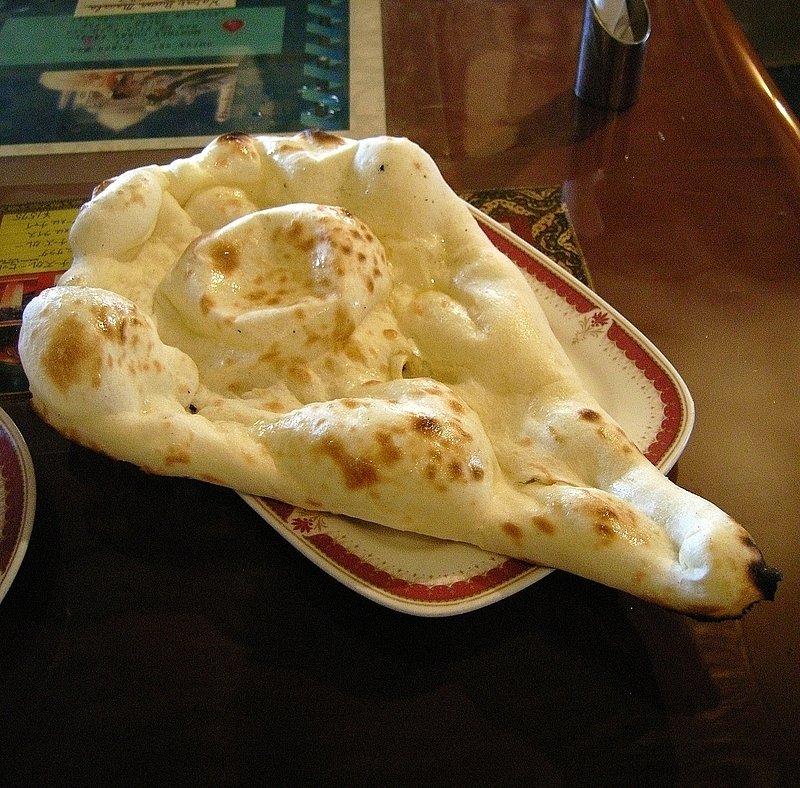
 Naan—warm, round, flat, its surface bubbled to perfection. A bread so simple and yet so profoundly scrumptious. The perfect accompaniment to a delicious South Asian meal. Like so many unassuming, but integral dietary staples, naan has an ancient history. Today we bring you a recipe for a modern, homemade, vegan naan and the history behind this ancient comfort food. Continue reading
Tag Archives: ancient food
Bon Appetit Wednesday! Naan: Hot, Bubbly, Soft, Crispy and Ancient
Posted in Blog, Bon Appetit Wednesday, Culinary, Culture
Tagged ancient bread, ancient food, ancient Indian food, ancient recipes, AntiquityNOW, Bon Appetit Wednesday, India food, kulcha, naan, roti
Bon Appetit Wednesday! Ancient Roman Ostrich Ragoût
 In our exploration of ancient foods and recipes, we’ve often found that ancient people not only ate extremely healthy foods, they also ate some things that seem very unusual to us today. We’ve learned that ancient Britons ate nettles, the Greeks and Romans ate fish sauce doughnuts and in ancient Japan they fried maple leaves! Today we’re bringing you another unusual but delicious recipe straight out of an ancient Roman cookbook. Although you may never have considered eating ostrich, it is actually a highly nutritious form of protein. The accompanying sauce in the recipe, which is quite savory, is adaptable for other meats as well. (You can substitute turkey or beef steak for the ostrich.) Continue reading
Bon Appetit Wednesday! West African Jollof Rice
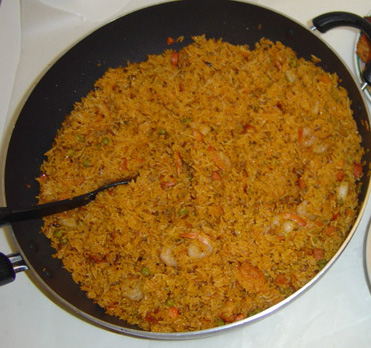 It’s an explosion of flavors, a mingling of ingredients, that creates a perfect symphony of taste. Jollof rice, or “one pot” in the Jolof language, is thought to be the original dish behind the Cajun favorite called jambalaya.[1] Jollof rice can be found in all corners of West Africa, with different regions claiming their own recipes. Each variation boasts a history with roots as deep as the culture in which it originally made its appearance. But to tell the true tale of jollof rice is to tell the story of the Wolof tribe. Continue reading
Bon Appetit Wednesday! Ancient Nettle Pudding—Britain’s Oldest Recipe
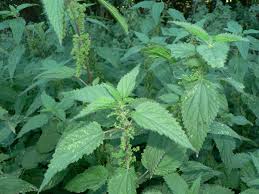 Why would anyone ever want to eat something called a “stinging nettle?” Well, because it’s delicious and nutritious! Our ancient ancestors knew the value of this unhappily named plant and you can still enjoy it today. This week we’re bringing you a recipe for an ancient Nettle Pudding. For those of you not familiar with non-dessert puddings, it has the consistency of a dumpling and is often eaten with chunks of bread and the meat it is cooked along side. Continue reading
Happy 2015! Here Are Your Free Gifts From AntiquityNOW!
We hope your holidays were joyous and accompanied by good cheer, good company and good food. We wanted to make sure that in the midst of all the holiday celebration you received your free gifts from AntiquityNOW. Just click on the links below.
2014 Recipes With a Past
|
Education Topic Matrix
|
Bookmarks
|



**************
Join us in cherishing and preserving our global heritage. Contact us at info@antiquitynow.org to learn how. Let’s make 2015 a year to remember.
**************
Bon Appetit Wednesday! Celebrate New Year’s With the Bountiful Grape—Here’s to Luck, Liberty and a Long Life to All
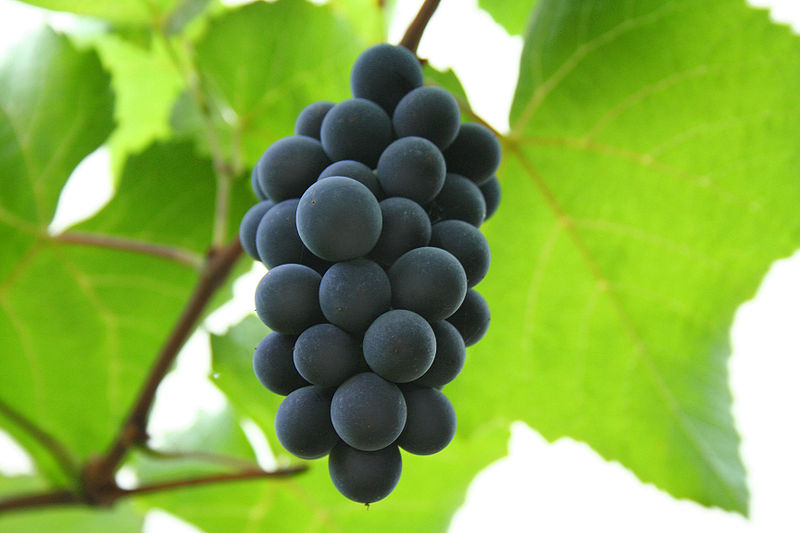 The sweet, succulent grape. It’s a fruit that has found its way into cultures around the world. Its cultivation goes all the way back to the Neolithic era (6,000-6500 BCE). Over the next centuries its production spread from the Caucasians to Asia Minor and to the Nile Delta through the Fertile Crescent. It became an important product for consumption, sale and trade in ancient times, as evidenced by the Code of Hammurabi (c. 1700 BCE), which decreed how wine was to be sold in Mesopotamia.[1] (Interestingly, women were allowed to own property and sell wine, so much of the code refers to female vendors.) The Greeks, Phoenicians and Romans extolled the glories of the grape in action, song and verse throughout the known world. By the fall of the Roman Empire the grape was firmly entrenched and the rise of the Christian church allowed a new stream of wine production through thousands of monasteries. As the centuries unfolded wine became a mainstay for cultural and religious reasons and as well in places and times where potable water was absent. Today wine production is a worldwide industry with oenophiles and simple indulgers offered a vast array of tastes, aromas and textures. Moreover, according to the Mediterranean Diet, the grape, particularly as distilled in wine, provides various health benefits, particularly through resveratrol, which is a compound that provides antioxidant and anti-inflammatory benefits. Some, in fact, tout its heart-healthy properties as natural life extenders. Continue reading
2014 Recipes With a Past and the Art of Being Human
 AntiquityNOW is pleased to announce the launch of the 2014 Recipes With a Past, a compendium of dishes derived from our weekly Bon Appetit Wednesday! blog posts. Embracing more than 25 countries and cuisines, this e-book has two new designations for this year’s menus: gluten-free and vegan. Meals in Recipes With a Past are taken from historical recipes or are modern repasts that include ingredients with roots in antiquity. Continue reading
Bon Appetit Wednesday! Asparagus With Curry Butter: The Ancient History of Golden, Buttery Deliciousness
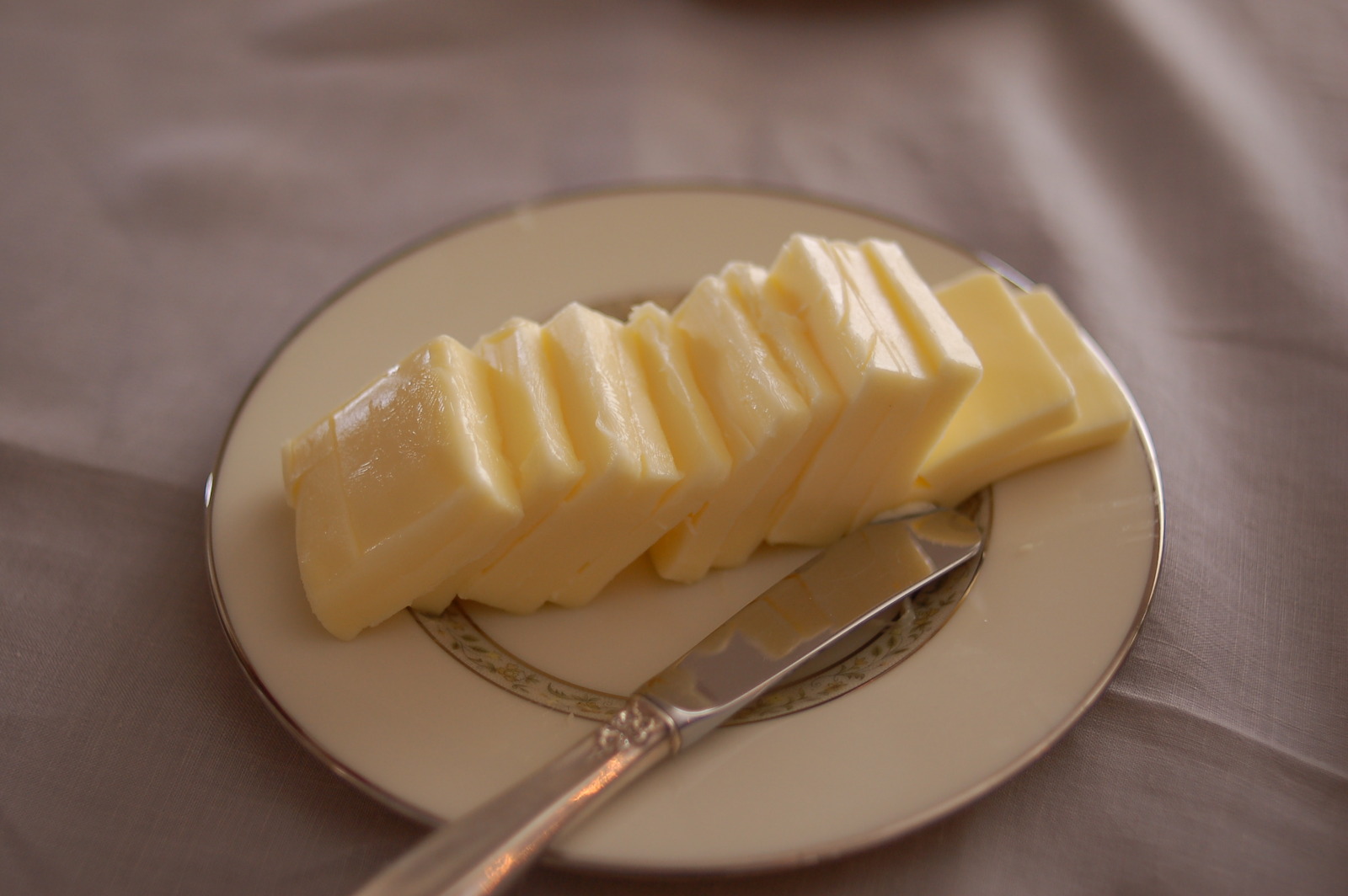 In the movie Julie & Julia, Paul Child says to his wife, the soon-to-be world-acclaimed chef Julia Child, “You are the butter to my bread, and the breath to my life.” What more apt way to express the depth of a love than comparing it to the sustenance of life? Continue reading
Bon Appetit Wednesday! Seaweed for Thanksgiving?
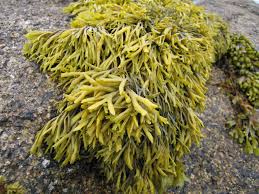 In the past we’ve discussed several ancient superfoods including quinoa, amaranth, honey and even the adzuki bean. Today, we add one more to the list—seaweed, an ancient food from the sea that packs a punch nutritionally, but is often unappreciated by the uninitiated. Not everyone loves seaweed, but maybe they should! Today’s recipe, Carrots with Arame, is an unexpected pairing that will help you bring seaweed to the Thanksgiving table. But first, let’s make sure you can explain to your guests the history behind your curious contribution to the holiday feast. Continue reading
Bon Appetit Wednesday! Easy, No-Bake Cookies with Quinoa, the Incas’ “Mother of all Grains”
 Last week we celebrated ancient amaranth, superfood of the Aztecs. So this week we decided to explore another ancient “grain” that sustained a great civilization. Quinoa was to the Incas what amaranth was to the Aztecs: a source of strength and life. And just like amaranth, quinoa isn’t really a grain at all. It is a seed from a plant in the goosefoot family, and along with amaranth and buckwheat is often called a “pseudocereal” because it is grown for use as a grain.[1] Let’s take a trip through quinoa’s history before indulging in a delectable recipe for easy, gluten-free, dairy-free, No-Bake Quinoa Cookies. Continue reading




 AntiquityNOW