
 This week we’re featuring another Honorable Mention from The Baldwin School in Pennsylvania. With an in depth retelling of the story of Pandora’s Box and an insightful Q&A to reveal its modern connections, the viewer is treated to a new view of a classic mythological tale. The illuminating film was created by middle school students Rebecca, Menal, Alex, Katrina and Theresa with the help and inspiration of their teacher, Preston Bannard. Continue reading
Exploring LegacyQuest 2014! A Modern Retelling of Pandora’s Box
Posted in Blog, Culture, LegacyQuest, Literature
Tagged ancient history, ancient mythology, ancient storytelling, AntiquityNOW, film festival, LegacyQuest, Pandora's Box
A Brief History of the Timeless Dilemma of Censorship and America’s Response

Image courtesy of Tyler Menezes on Flickr.
The life of Socrates is in the hands of 500 reticent jurors. He stands trial for poisoning the minds of Athenian youth and inspiring rebellion with anti-democratic teachings. Silently, the jurors cast their ballots into one of two urns that represent guilt or innocence…
Socrates was found guilty and sentenced to death. Shielding the public from dangerous ideas outweighed one man’s right to free expression on the scales of Athenian justice. Throughout history, society’s weighing of public good against individual rights has shaped the history of censorship. It’s a dilemma both ancient and familiar. Continue reading
Posted in Blog, Communications, Crime, Culture, Education, Human Rights, Law, Literature, Politics, Public Life
Tagged American legal system, ancient history, ancient law, AntiquityNOW, book burning, censorship, Jewish Law, Plato, Roman Law, Socrates
Bon Appetit Wednesday! Baking with the Ancient Inca Berry
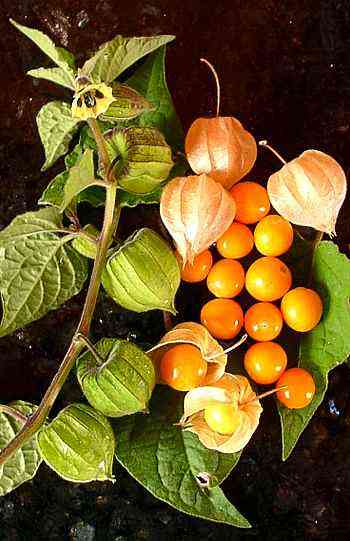 Recently, a remarkable little fruit has been making its way into previously untapped markets. Already popular around the world under various names, the Inca berry is finally popping up on North American shelves. The tiny ancient fruit has been called a superfood and it certainly has the history to prove it. This berry has been providing nutrition to people for centuries. This week’s recipe celebrates the newest name for the Inca berry, the pichuberry, a name meant to conjure up images of Machu Picchu. Read about the history of this wondrous fruit and enjoy a batch of Pichuberry Raspberry Coconut Muffins full of fresh-baked goodness and potent antioxidants! Continue reading
Posted in Blog, Bon Appetit Wednesday, Culinary, Culture
Tagged ancient history, ancient recipe, AntiquityNOW, Bon Appetit Wednesday, Inca Berry, Inca Empire, Mesoamerica, Peru, Pichuberry
Exploring LegacyQuest 2014! The Thrill of Victory, the Agony of Defeat: Ancient Olympics—ESPN Style
Our featured video this week comes from The Baldwin School in Pennsylvania and received an Honorable Mention at this year’s festival. It’s ESPN Sports antiquity-style: Get all the latest sports news from the ancient world and learn how our modern sports compare to the ancient ones. This film was created by middle school students Leah, Maria, Bradleigh, Meghna and Jennifer with the help of their teacher, Jeannette Keshishian. Continue reading
KIDS’ BLOG! Seeing Ancient Invisible Ink Through Modern Eyes

Image by Noel Hidalgo Tan, Antiquity Publications.
Invisible ink, such a simple and yet crafty way to keep secrets. You may know that it was used in wars such as the American Civil War, the American Revolutionary War and both World Wars, but did you know it was being used thousands of years ago by ancient civilizations? In the first century AD, Pliny the Elder wrote in his Natural History, an early encyclopedia, about how the milk of the tithymallus plant could be adapted as an invisible ink. Ovid spoke about secret ink in his Art of Love. Ahmed Qalqashandi, a medieval Egyptian writer and mathematician, described several types of invisible ink.[1] And recently an article published in LiveScience explored a startling new discovery at Cambodia’s famous Angkor Wat temple regarding invisible ink.[2] Ancient invisible ink didn’t always start out as invisible and in this case the ancient artists probably had no idea that their stunning works would one day be hidden to the naked eye. Continue reading
Bon Appetit Wednesday! Bottle the Taste of Summer with Dandelion Wine
 It’s the height of summer in the northern hemisphere where the lazy sun brings us long, hot days of outdoor activities, friends and family, vacations and lots of relaxation. Today it’s just a weed, but once upon a time nothing said summer like the dandelion and the year’s first batch of dandelion wine. Nowadays, we fight these plants to keep them from invading our perfectly manicured summer lawns, but these tiny pieces of sunshine have been valued by many civilizations since ancient times. This week we’re bringing you a recipe for dandelion wine so you can bottle your own bit of sunshine. But first, let’s find out why the dandelion has been so popular through history and how it lost its status in our modern society. Continue reading
Posted in Blog, Bon Appetit Wednesday, Culinary, Culture, Healing Arts, Science and Technology
Tagged Ancient Egypt, Ancient Greece, ancient history, Ancient Persians, ancient recipes, Ancient Rome, AntiquityNOW, Bon Appetit Wednesday, dandelion, dandelion wine, medicinal plants, Vineland New Jersey
Exploring LegacyQuest 2014! Competition on the Ancient Roman Runway
This week we’re bringing you another fantastic LegacyQuest Honorable Mention film entry from The Baldwin School in Pennsylvania. It’s a high stakes competition show that would fit perfectly on any modern network. Based on the popular Project Runway and Who Wore It Best, this video keeps you on the edge of your seat as ancient fashion is compared to modern stylings. This film was created by middle school students Jada, Erica, Campbell, Talia and Sammy under the guidance of their teacher, Preston Bannard. Continue reading
Graffiti From Ancient to Modern Times: Memorialization, Human Expression and the Art That Will Not Die

Credit: Lincolnshire Medieval Graffiti Project
Graffiti has been around since time immemorial. From ancient caves to carved mountainsides to splendiferous murals, pictures have been splashed and carved on walls and surfaces throughout time and across cultures. Self-expression, political agitation, vendettas, advertisements—all reasons for some to bring out the paint and depict what moves them most. There is something inherently primal in the need to memorialize one’s self and time. Indeed, graffiti’s immediacy and rawness of expression can astonish, whether found deep in the caves of Lascaux or in the modern day artistic gyrations of the anonymous British artist Banksy. Continue reading
Posted in Ancient Origins, Art, Blog, Communications, Culture, Public Life
Tagged ancient graffiti, ancient history, Ancient Origins, AntiquityNOW, education, Lincolnshire, medieval graffiti
Bon Appetit Wednesday! Halawet El-Riz: A Ramadan Dessert for the Ages
 Ramadan is coming to a close and we thought we’d share a wonderful dessert recipe that is a favorite. It is a perfect way to end an iftar or evening meal that breaks the fast that the faithful observe each day during the Islamic holy month. The recipe below for Halawet El-Riz conjures up a rice, cheese and cream dish that is interesting not only in its delectable fusion of ingredients, but as is so with many recipes, because it is the culinary result of human endeavor through the centuries. Continue reading
Posted in Blog, Bon Appetit Wednesday, Culinary, Culture
Tagged ancient architecture, ancient recipes, AntiquitNOW, Bon Appetit Wednesday, Breaking fast, Egypt, India, Middle East, Ramadan, rice pudding
Exploring LegacyQuest 2014! Your Own VIP Pass to an Ancient Fashion Week
This week’s featured video is another Honorable Mention from The Baldwin School in Pennsylvania. Complete with ancient models, ancient advertisements and most importantly ancient fashion, viewers get a VIP pass to an ancient Greco-American Fashion Week. This clever film was created by middle school students Alexa May, Lindsey, Caroline, Anna and Sasha with the help and inspiration of their teacher, Jeannette Keshishian. Continue reading




 AntiquityNOW